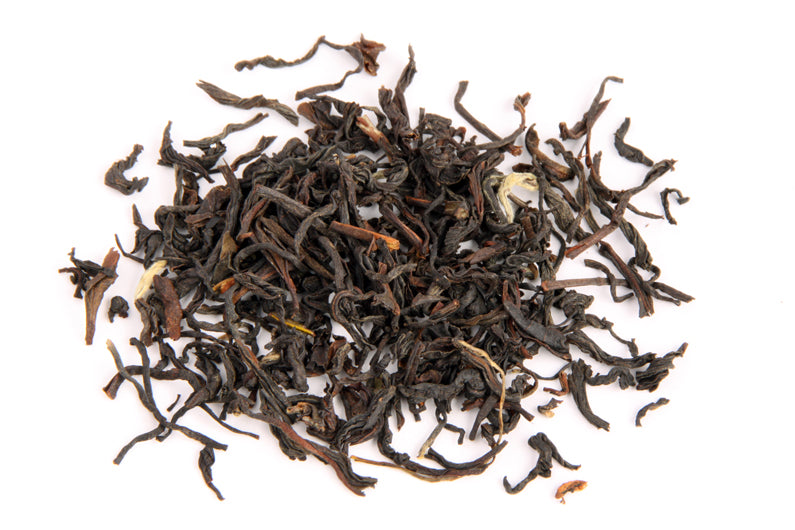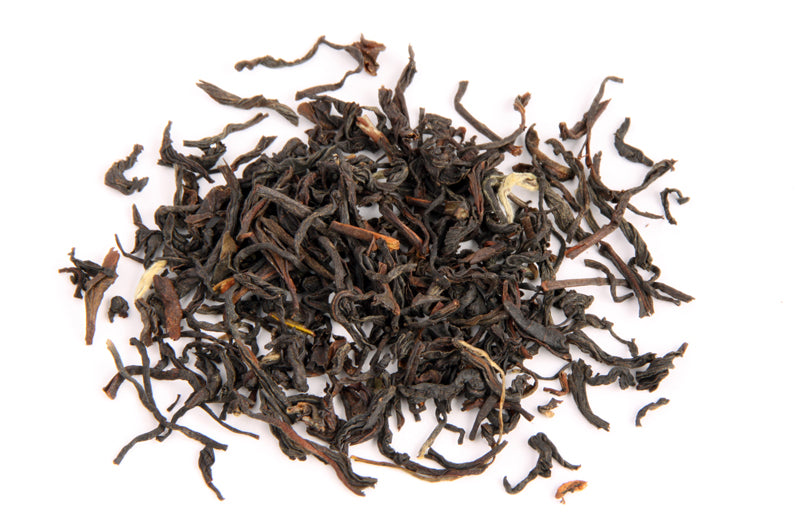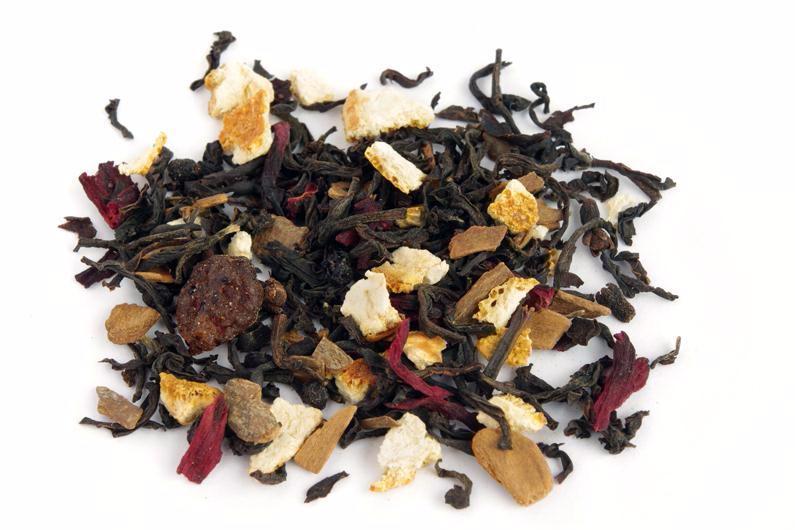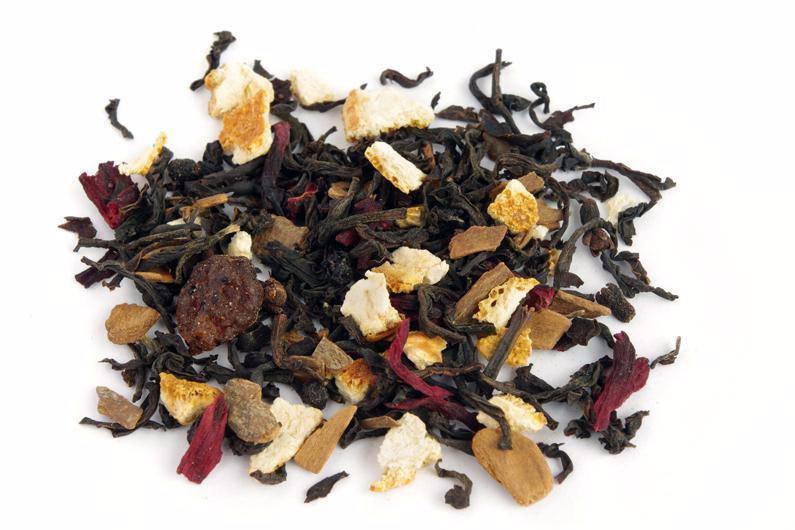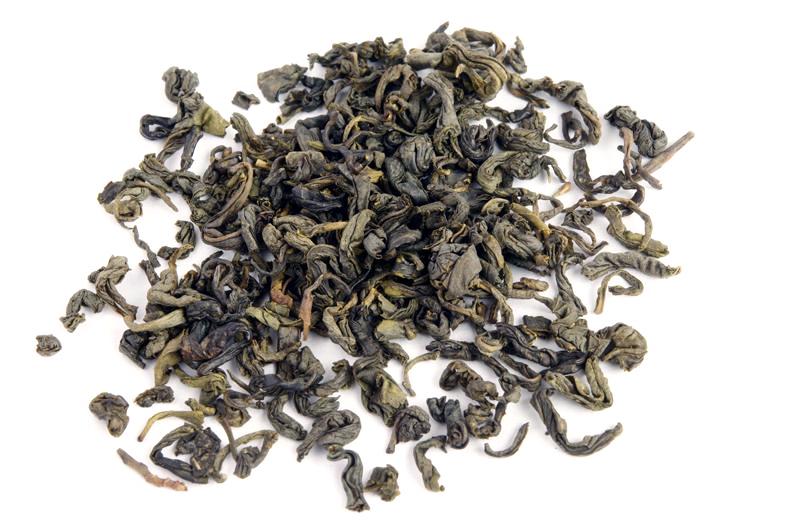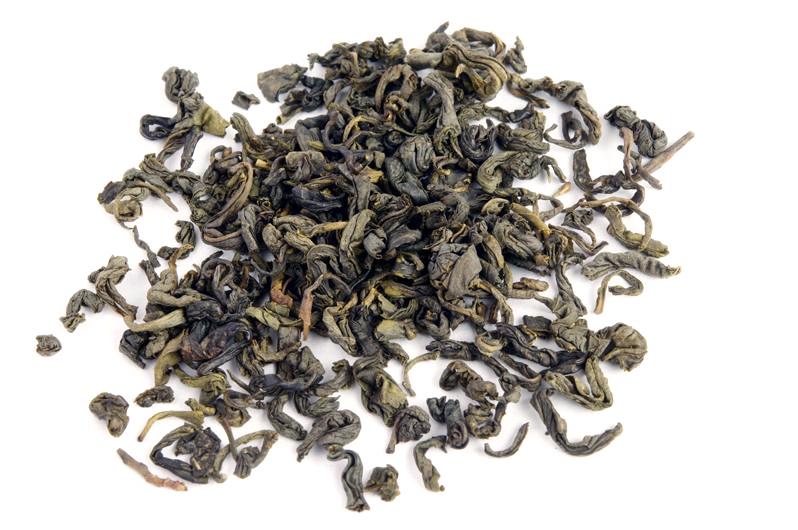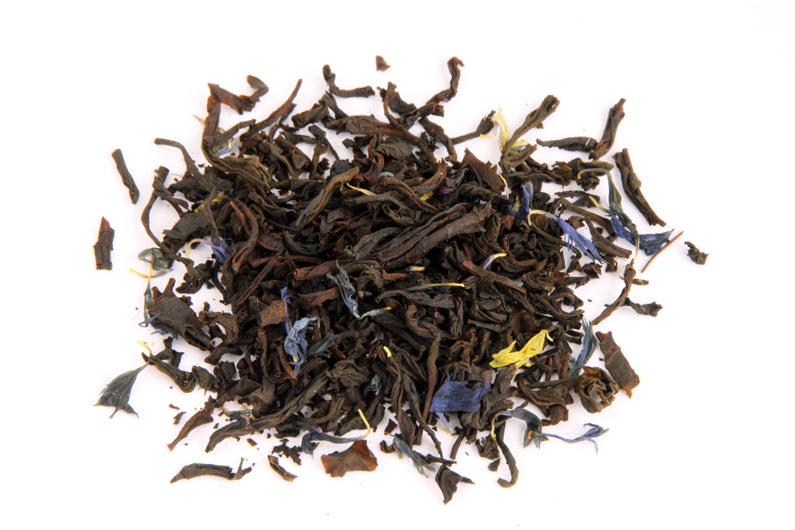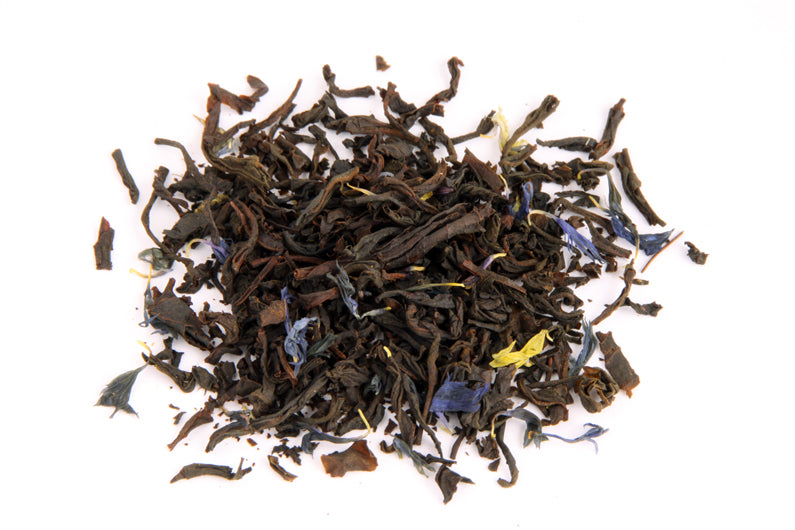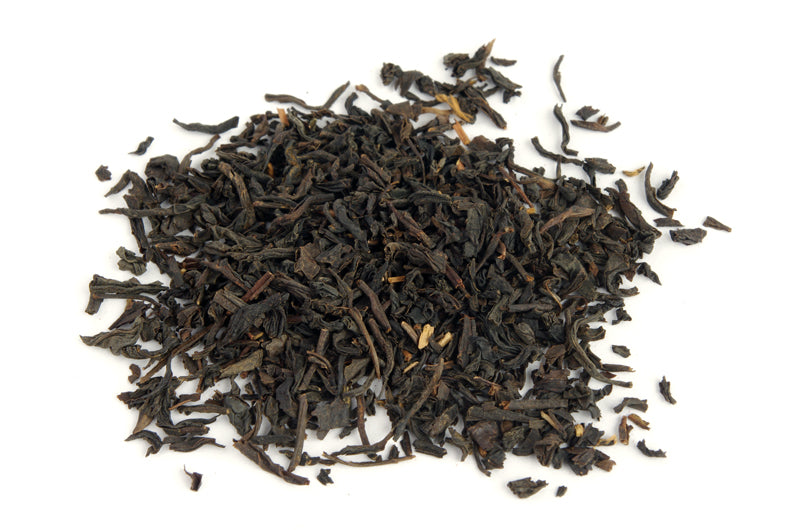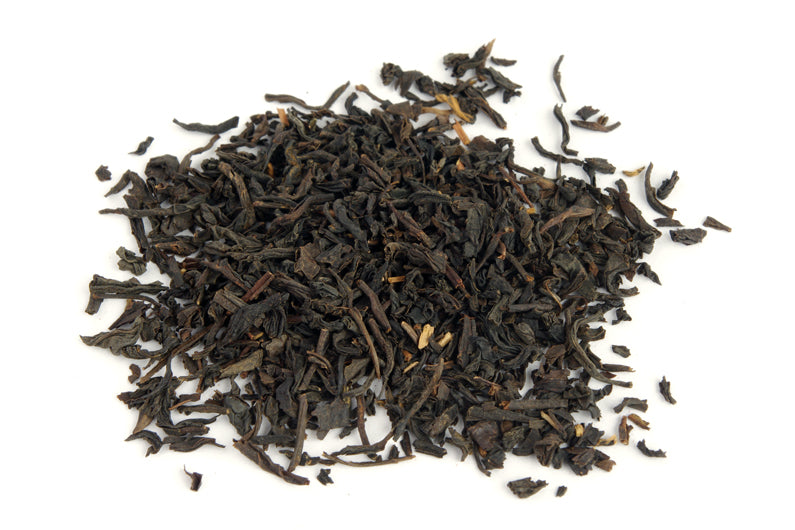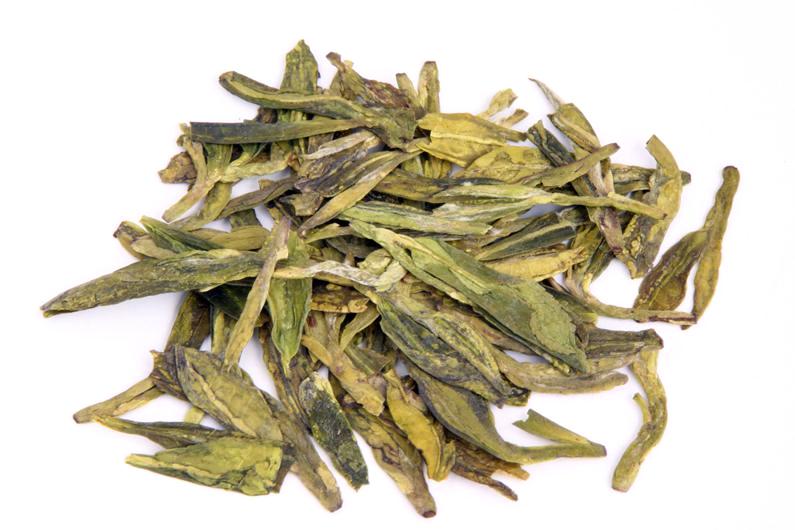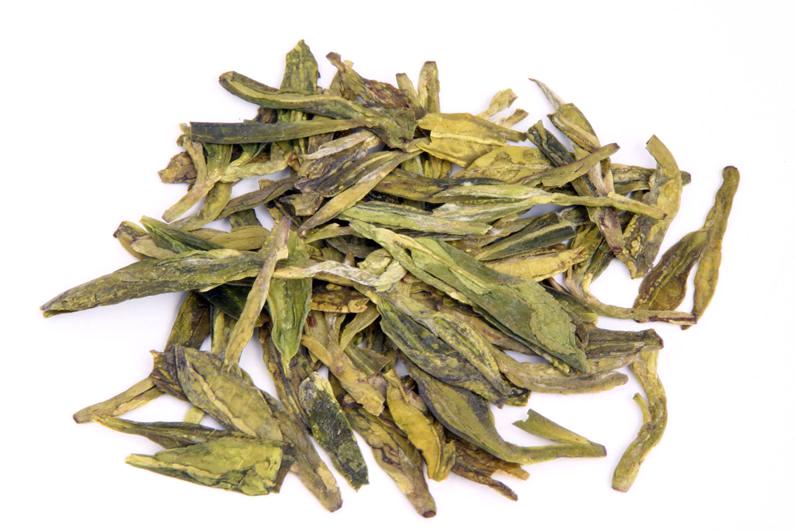



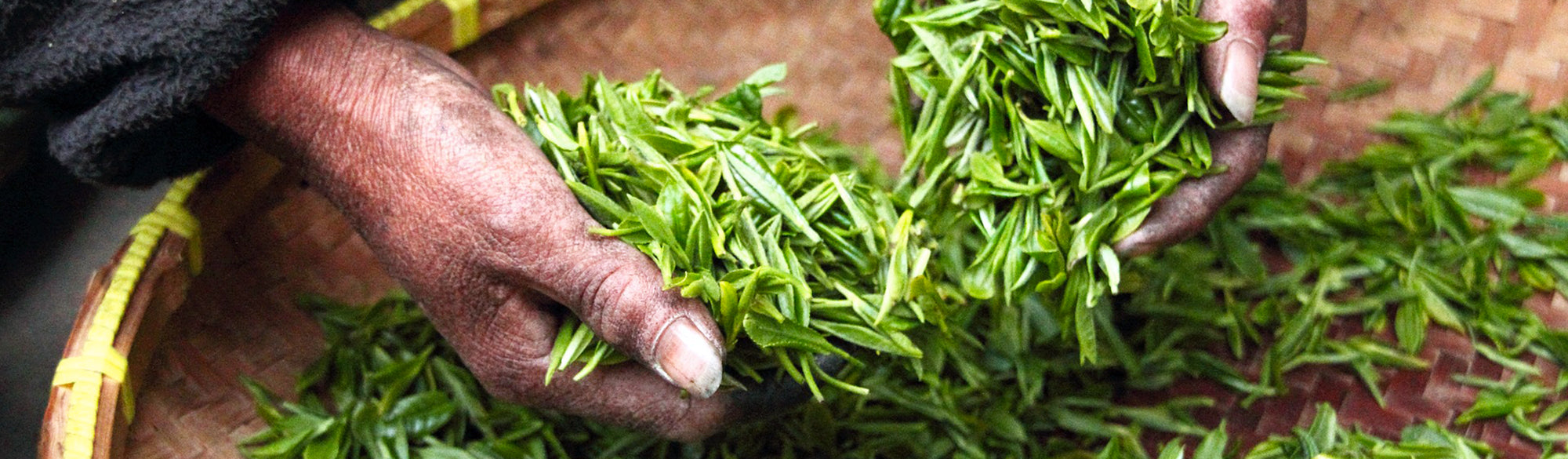
Notre sélection de thés et de tisanes est le résultat de plus de 18 ans de dégustations, de recherches, de formation et de développement de partenariats avec nos fournisseurs. Tantôt jardins familiaux, tantôt jardins de plus grande envergure, nous faisons également appel à des importateurs. Nous sélectionnons avec soin nos thés afin de vous offrir des dégustations de qualité avec le souci de conserver les prix équitables.
Nous offrons des thés issus des grandes familles de thé: thé blanc, thé vert, Oolong, thé noir, thé rouge (Pu erh) provenant des grands pays producteurs de thés.
13.25 $ CAD
| /
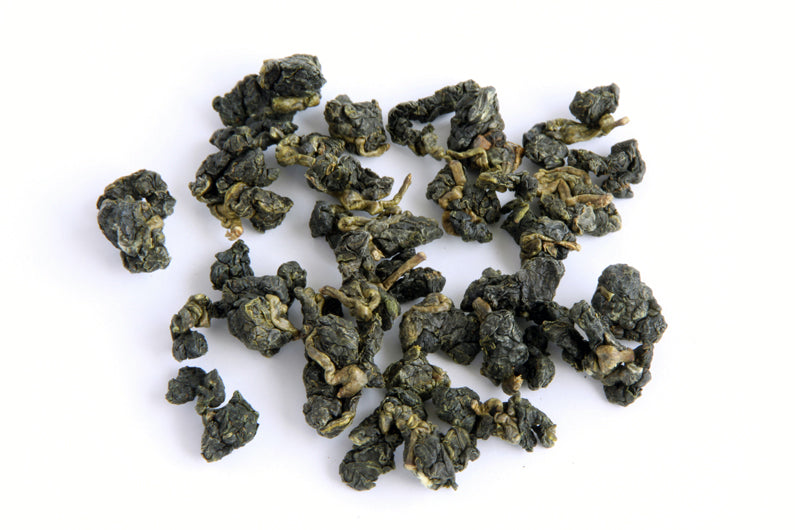
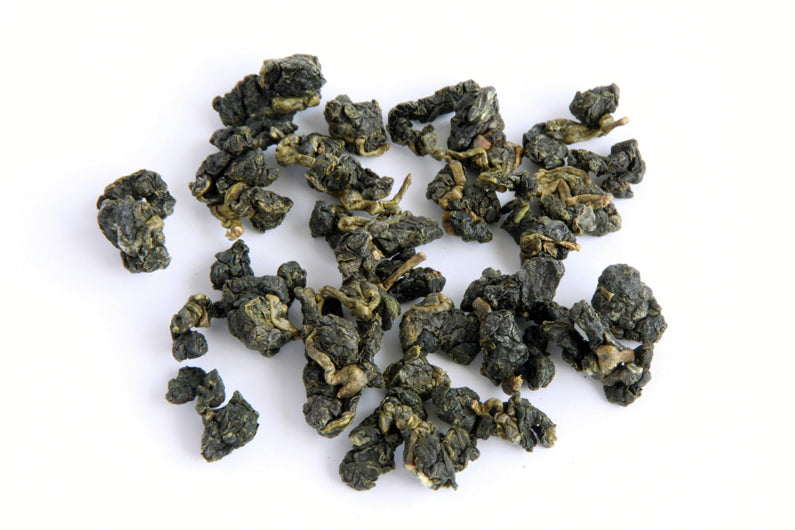
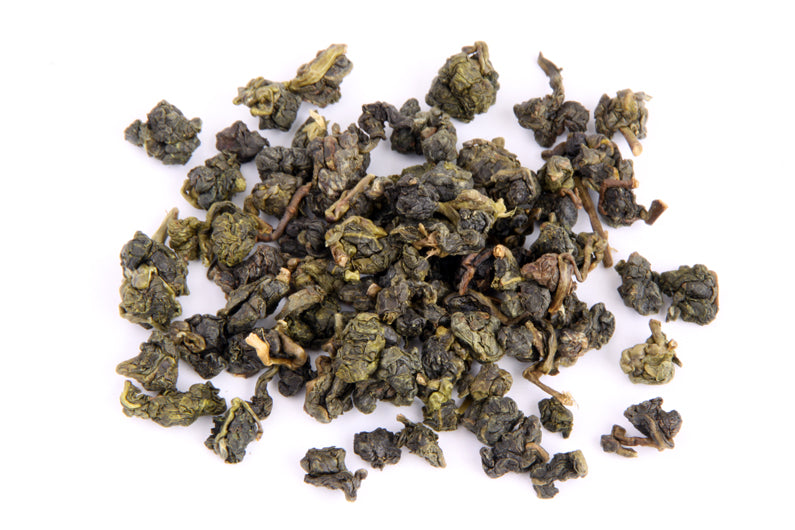
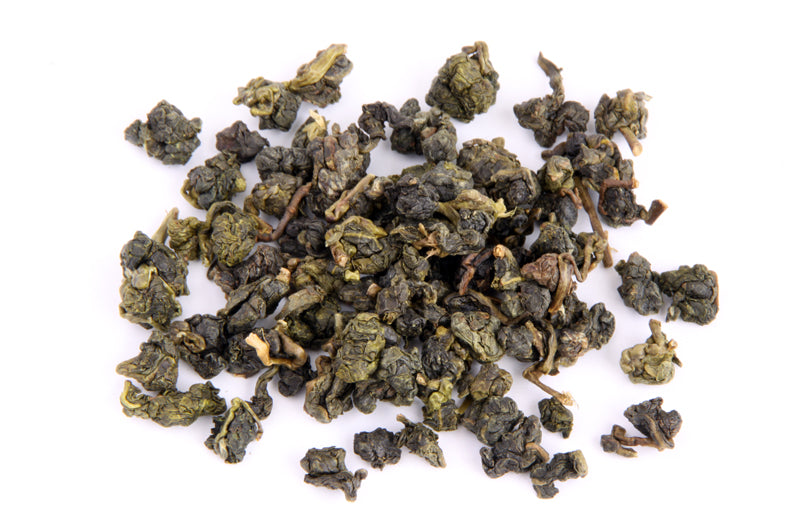
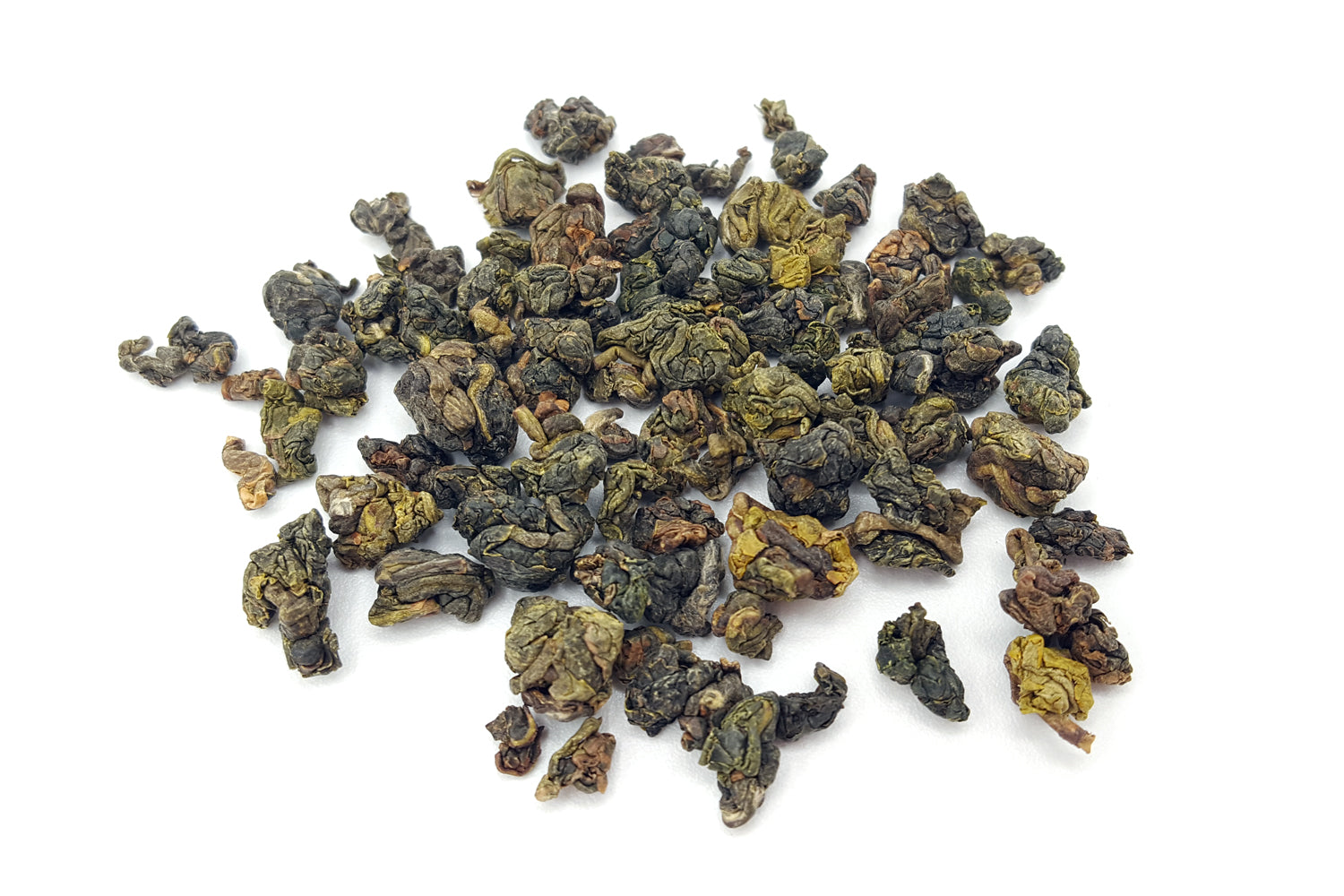
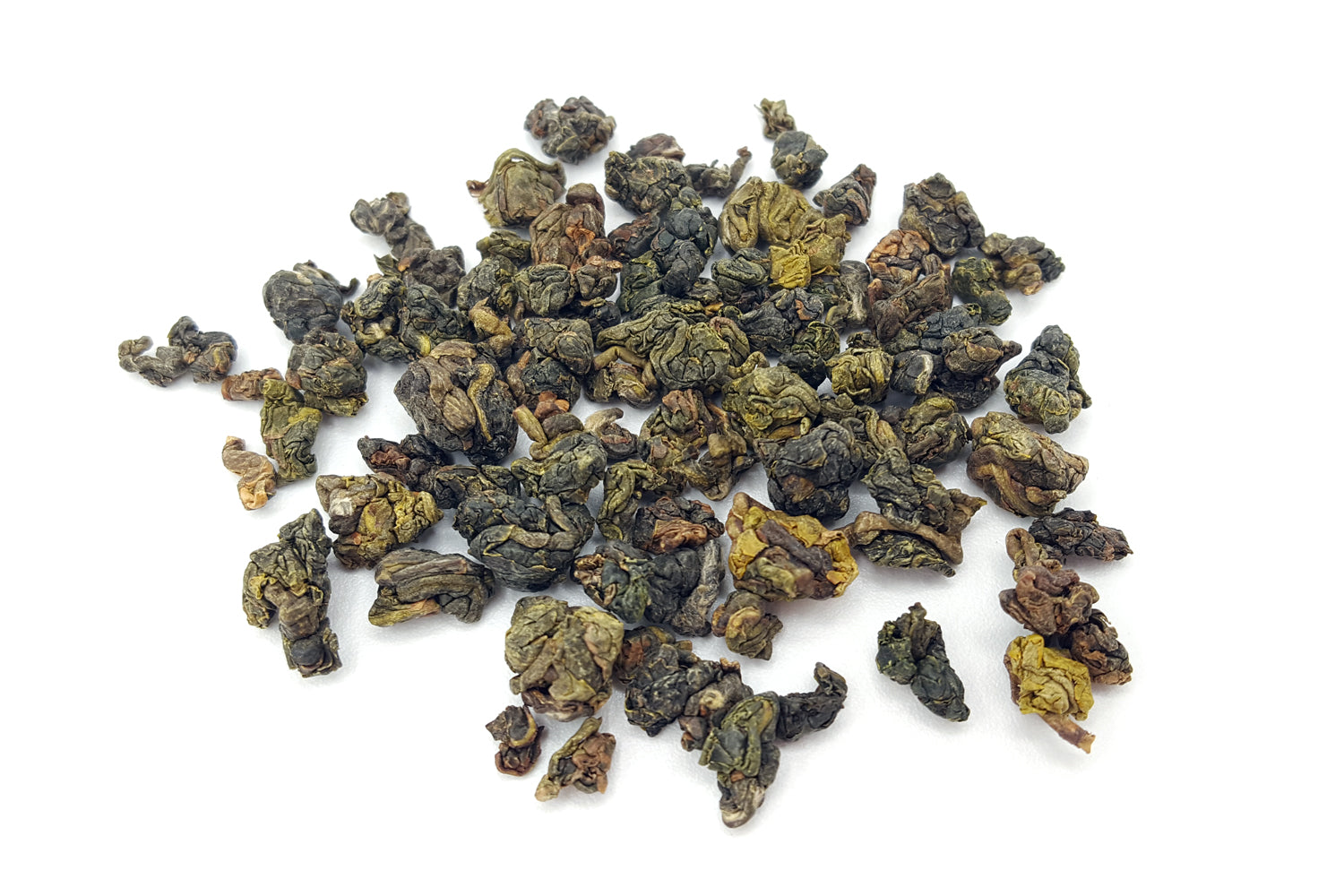
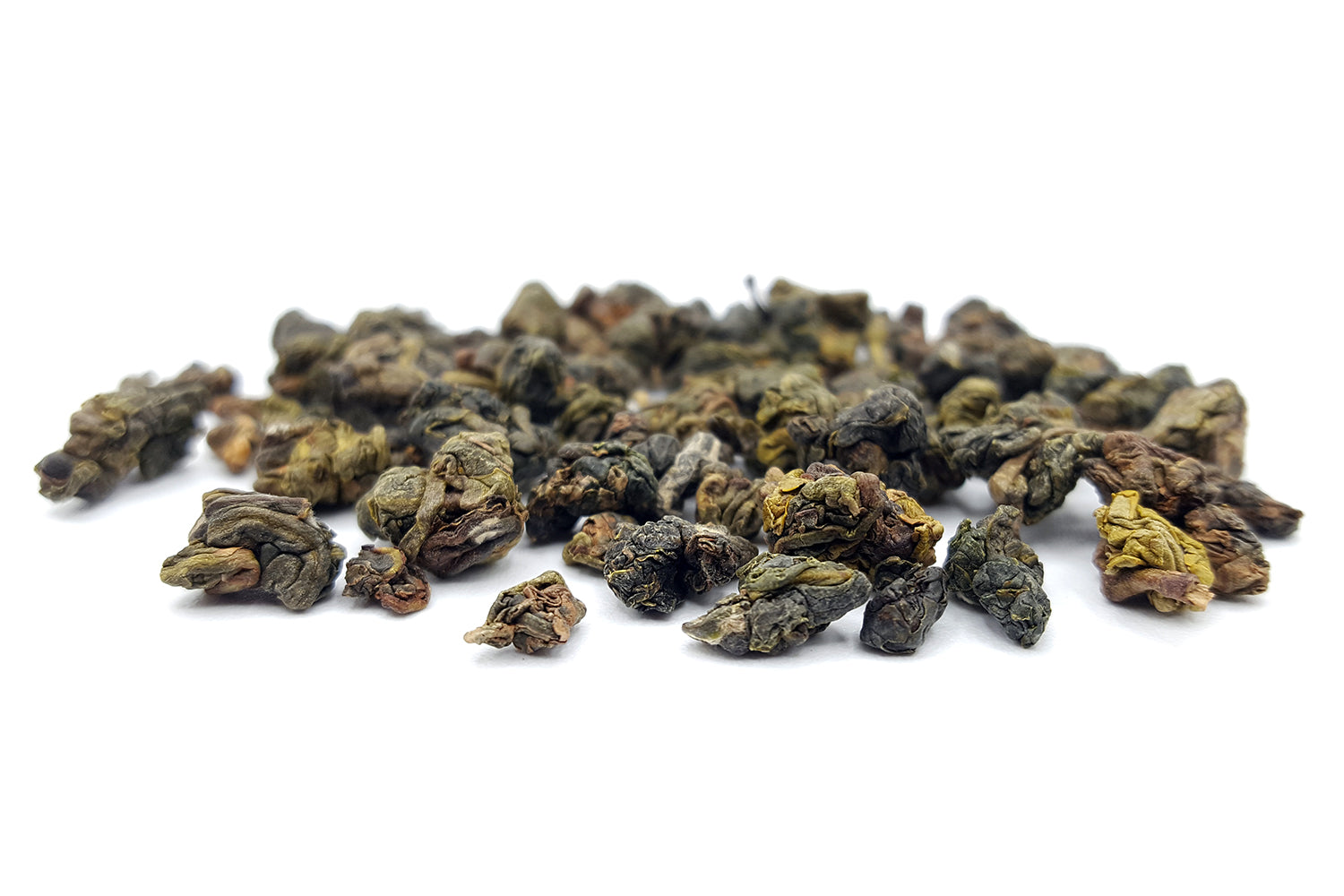
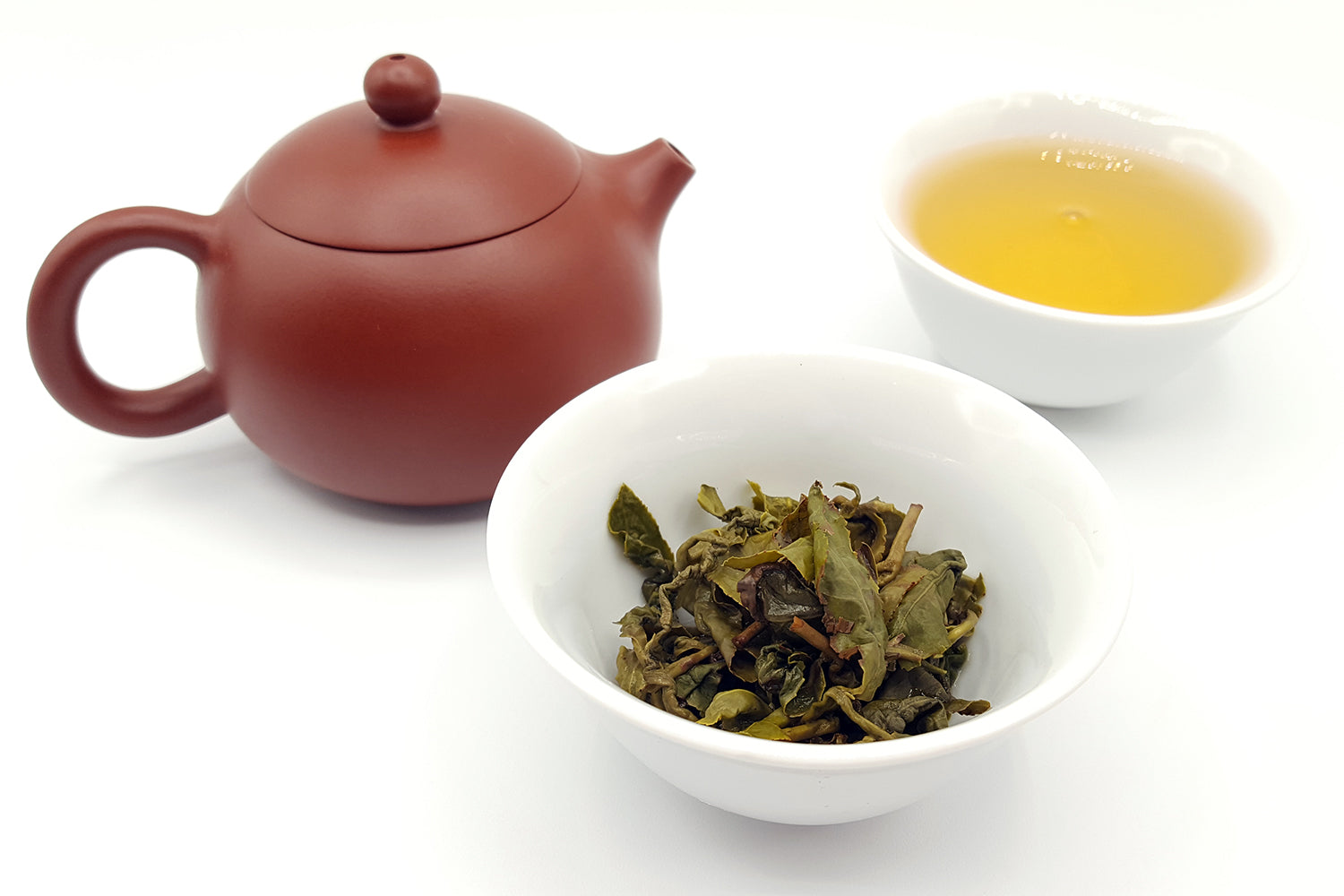
Excellent oolong de hautes montagnes de Taïwan (Hung Shui) ce Ali Shan offre des arômes floraux incomparables. Saveur pure, long en bouche; un thé définitivement raffiné. Le parfum des feuilles infusées évoque le lilas. En bouche, on note un léger rappel de maïs sucré et un effet onctueux, propre aux oolongs lactés (milky oolong).
Il plaira assurément aux amateurs de Milky Oolong et à ceux qui connaissent bien notre Golden Leaves et désirent aller plus loin dans leurs dégustations. Il s'agit assuréement d'un thé fin parfait pour les occasions spéciales.
Voir la description complète du produit »
52.50 $ CAD
| /
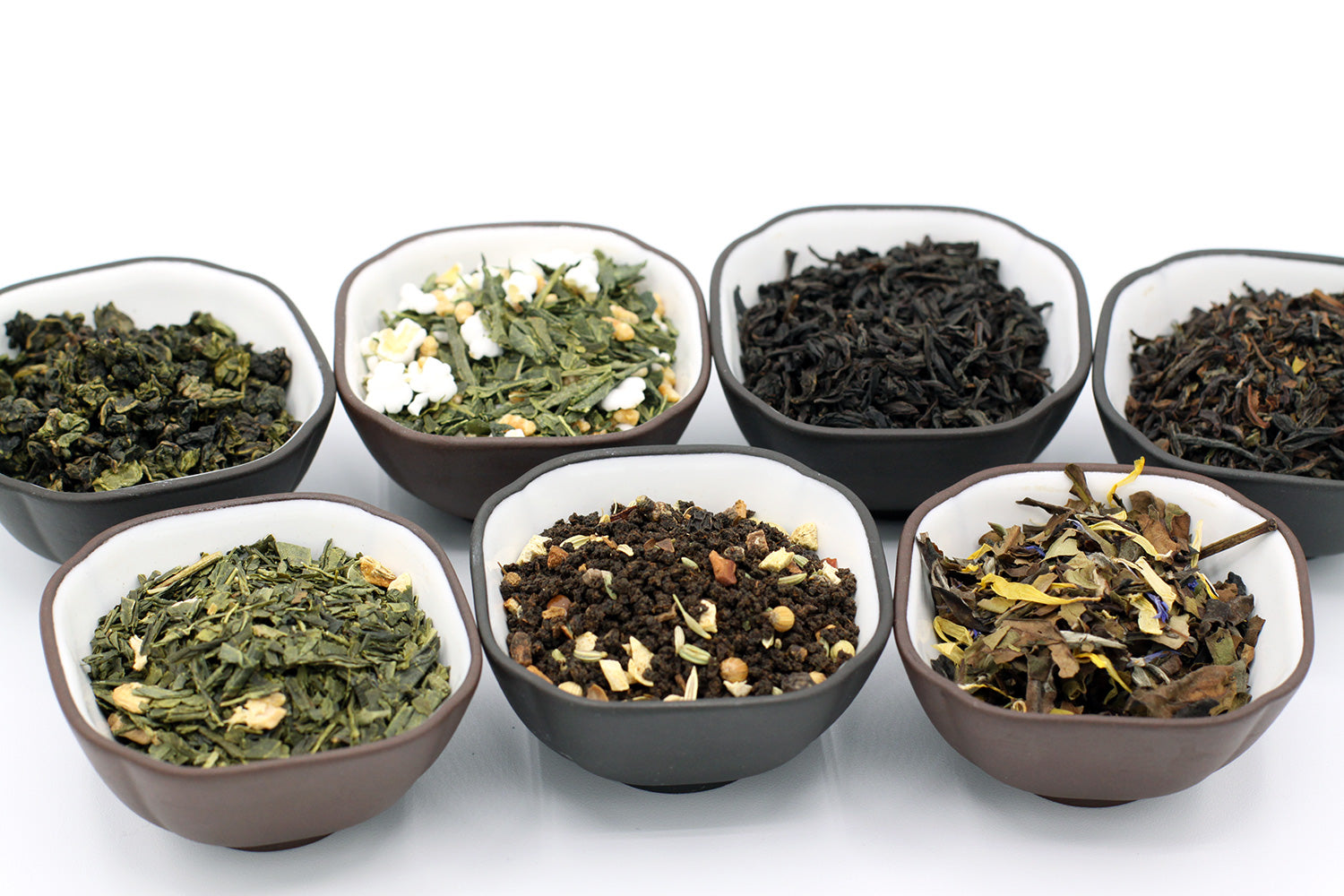
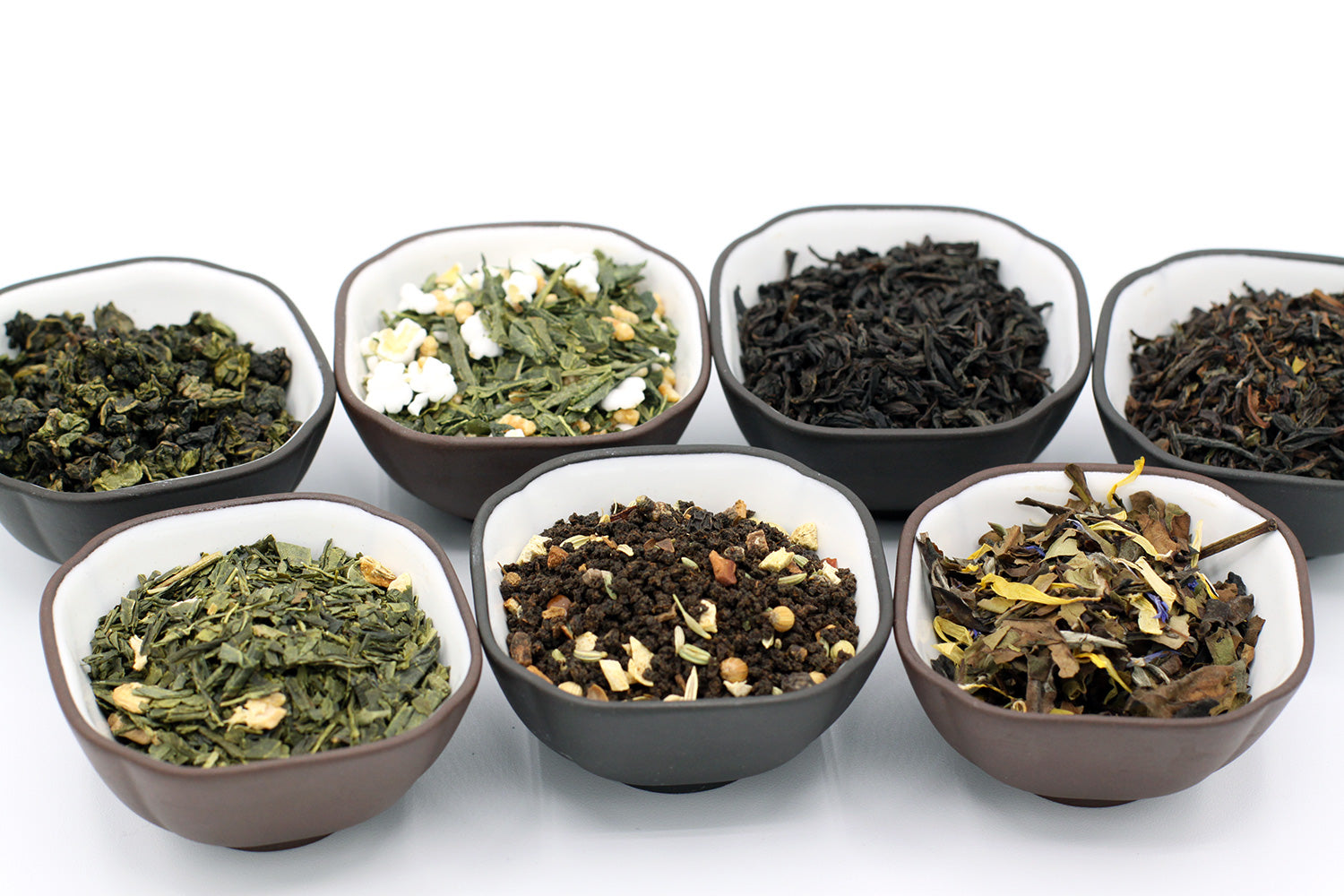
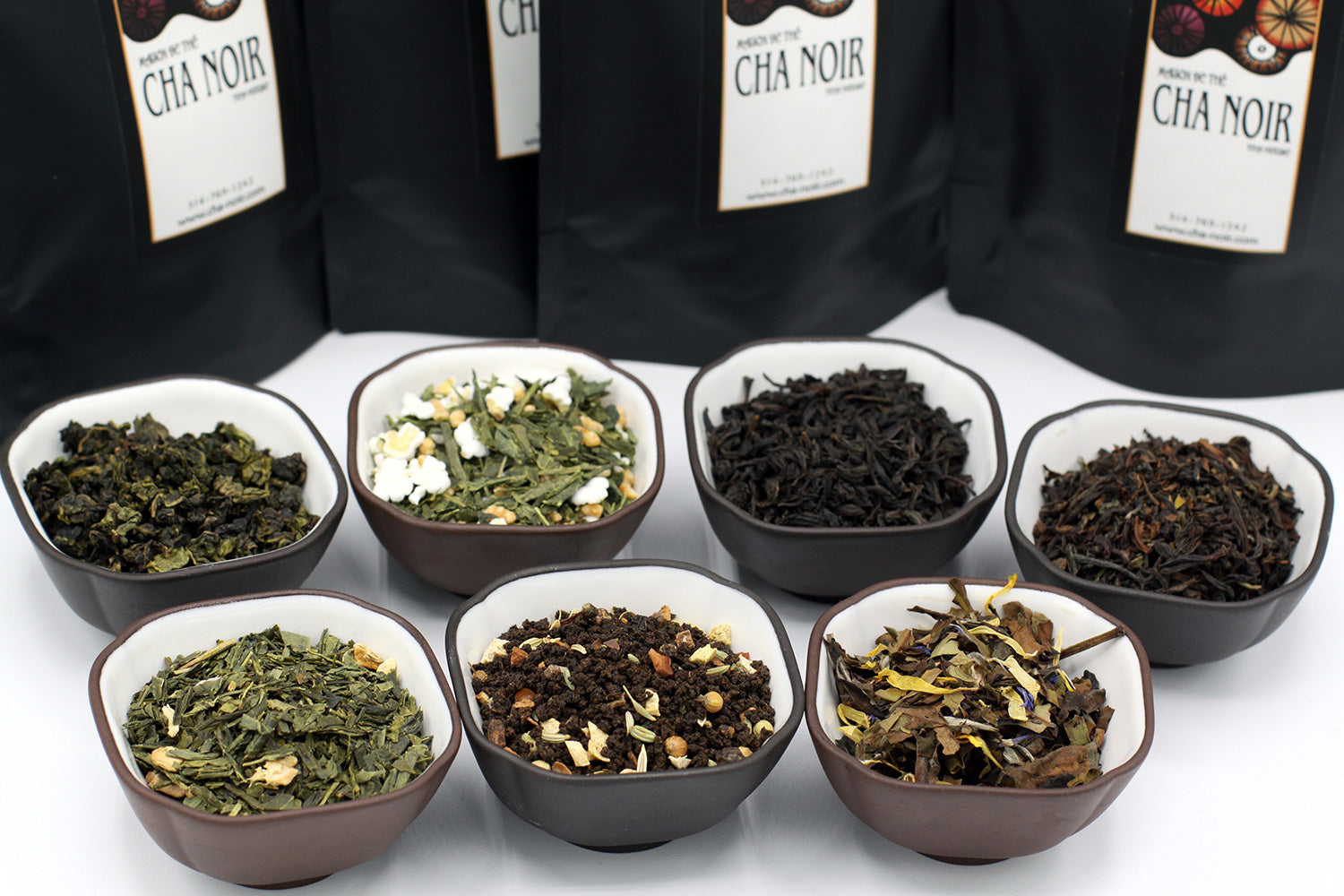
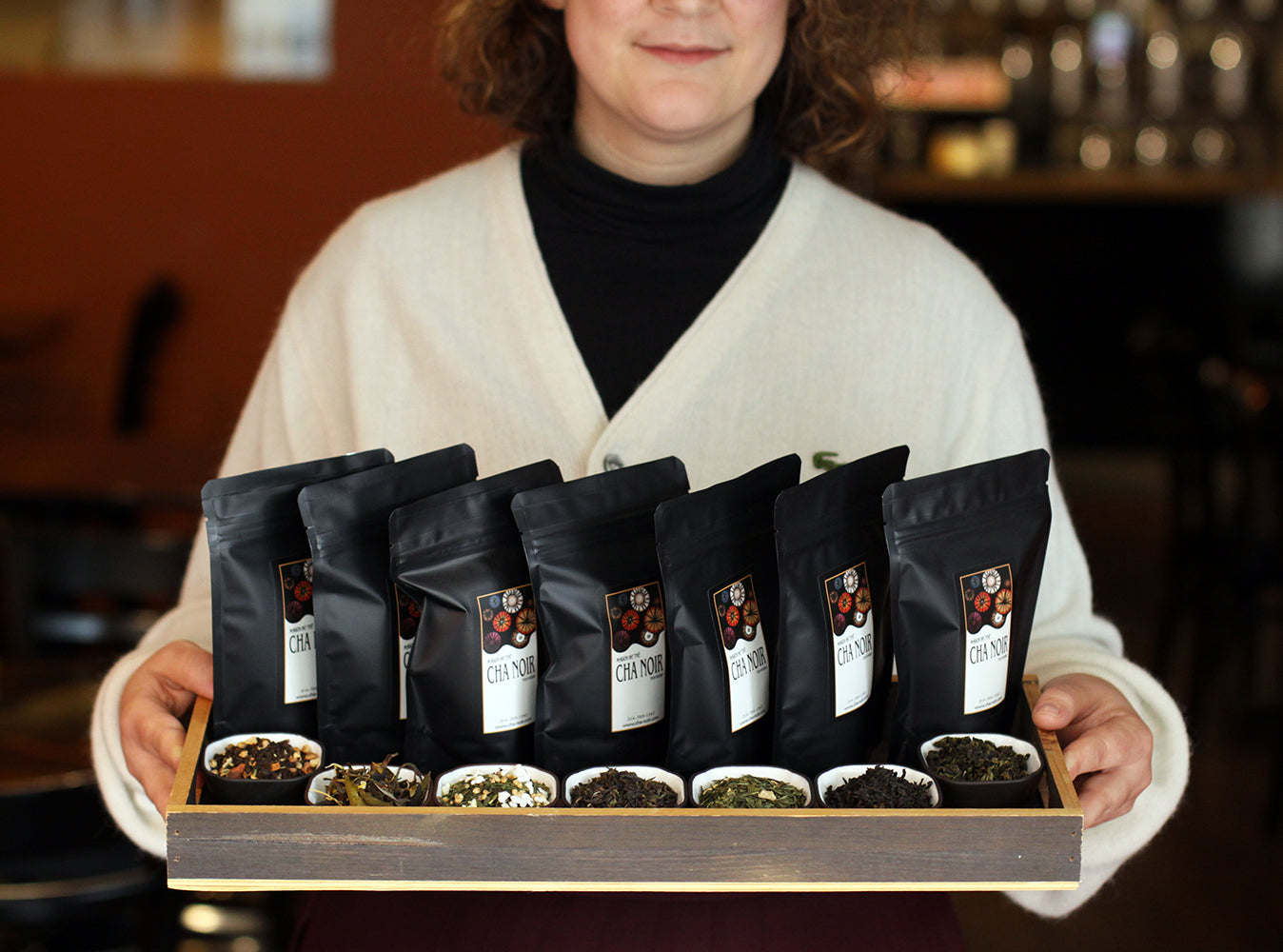
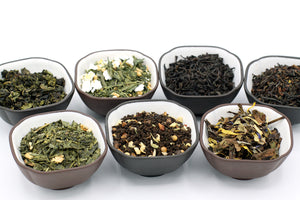
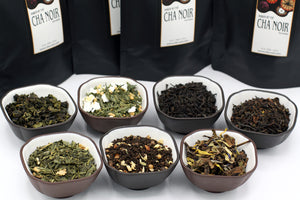
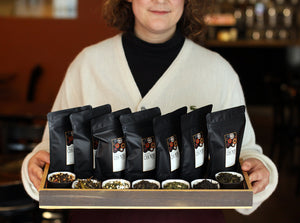
Notre équipe a sélectionné parmi sa carte les sept thés qu’il faut absolument découvrir pour un tour d’horizon varié des différentes familles de thés. Quand on se retrouve devant l'embarras du choix, quoi de mieux que de se tourner vers une sélection composée avec soin par notre équipe? Cet assortiment est parfait pour déguster une variété de nos thés chouchous aux arômes riches et diversifiés. Cette formule saura plaire aux fins palais et aux curieux. Un cadeau parfait permettant d'essayer plusieurs thés en plus petit format et... à petit prix! À moins que vous préfériez le garder pour vous-même...
Voir la description complète du produit »

55.50 $ CAD
| /
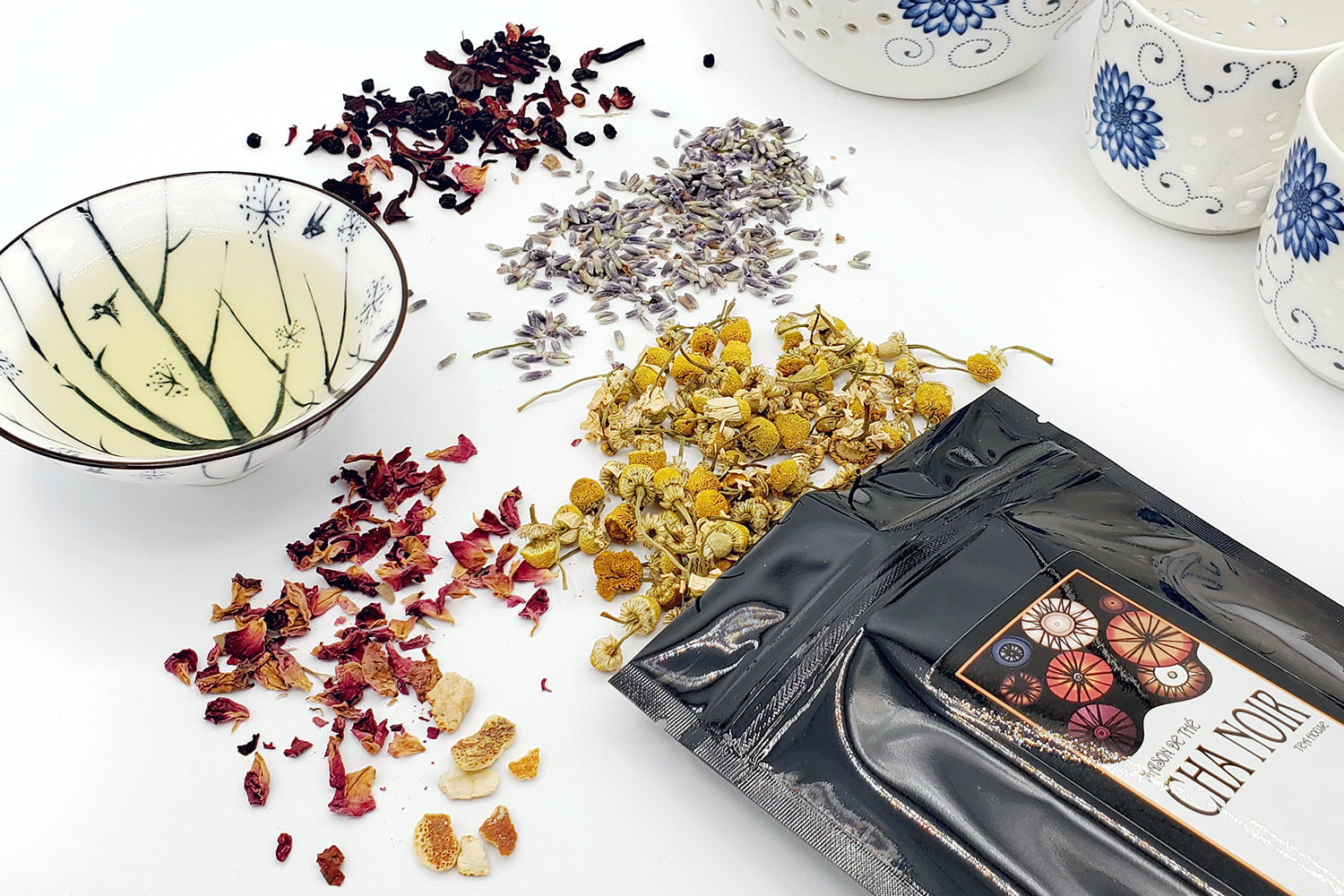
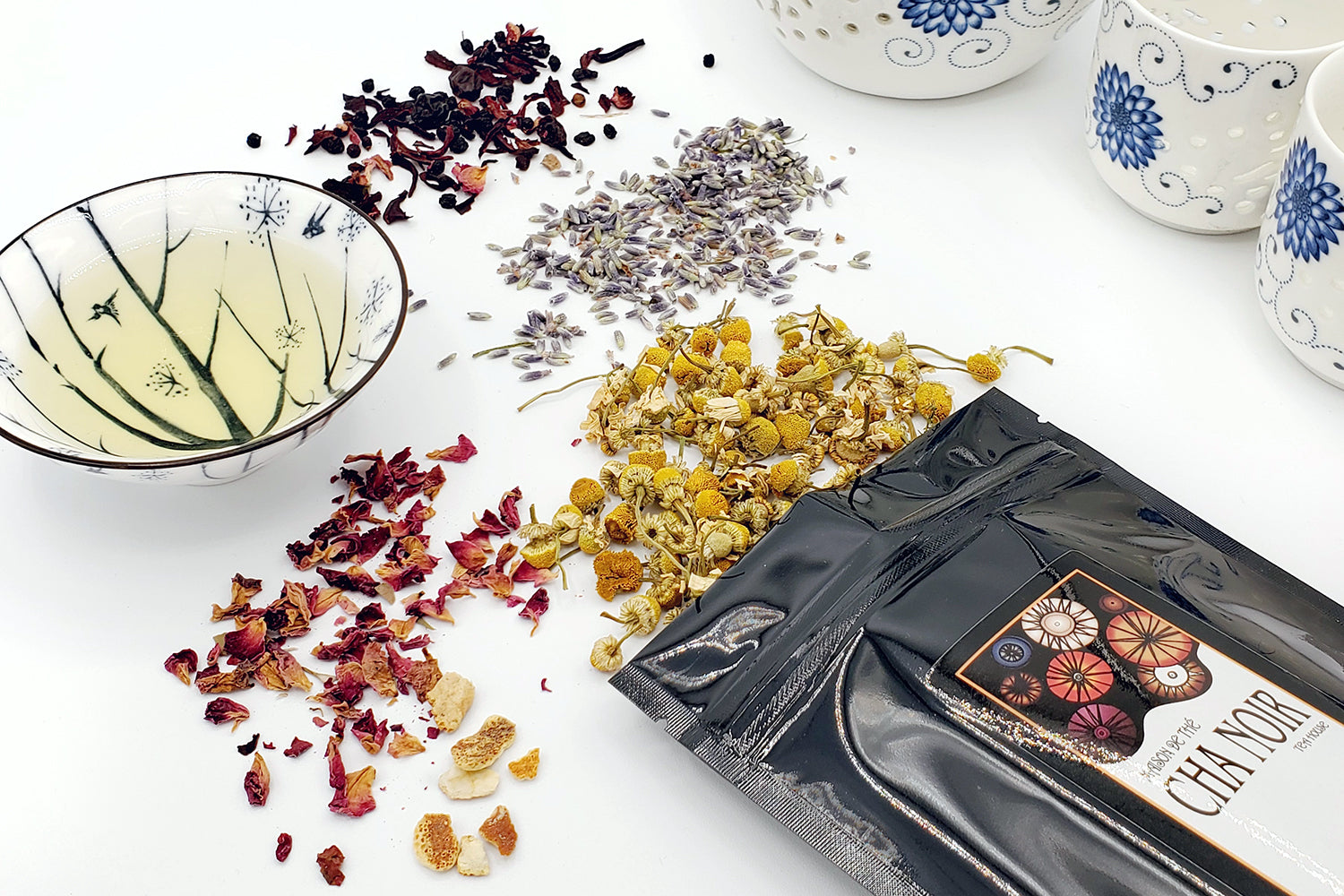
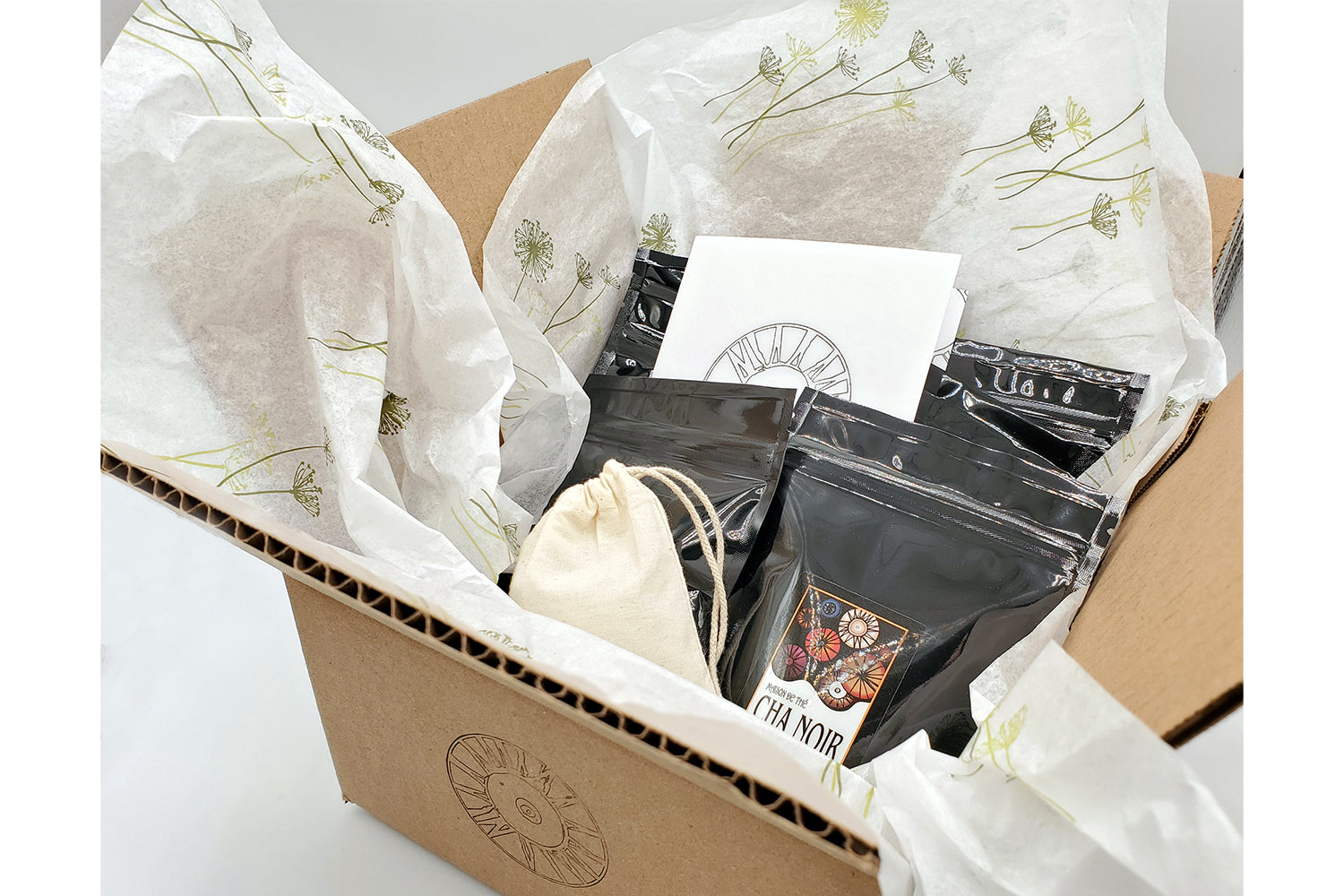
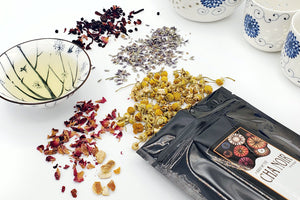
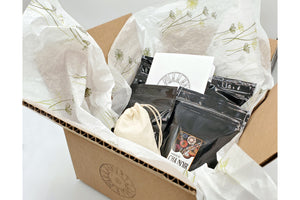
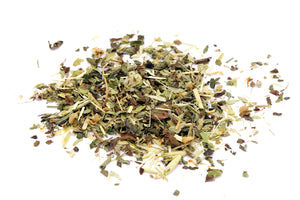
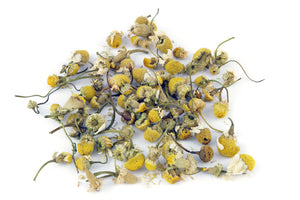
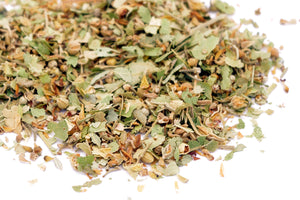
Qui ne mérite pas de se faire gâter? Que ce soit pour vous ou un être qui vous est cher, nous avons choisi avec soin cet assortiment de thés et de tisanes pour apporter détente et réconfort. Notre sélection comprend sept différents thés et tisanes, le tout joliment emballé.
Voir la description complète du produit »
10.85 $ CAD
| /
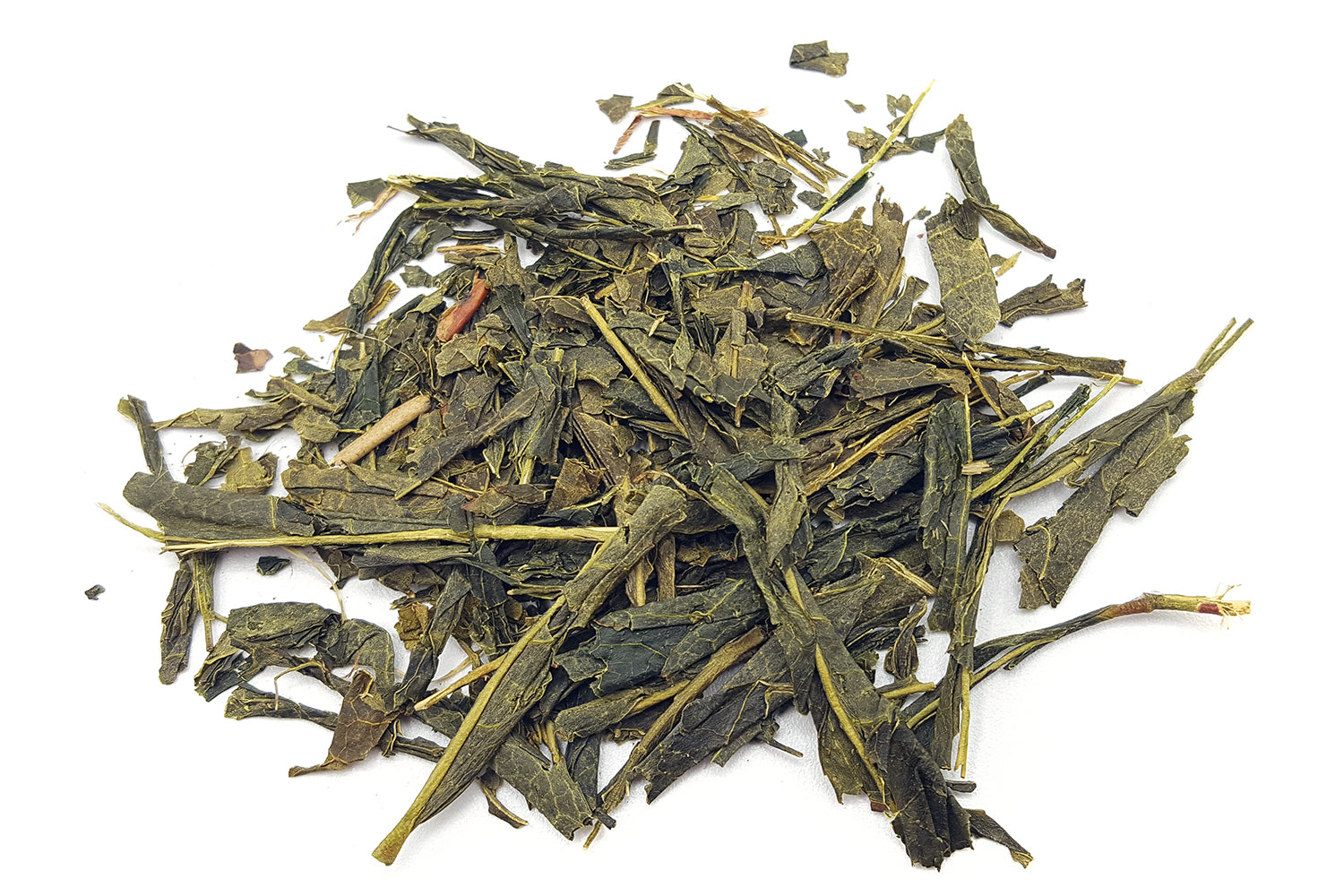
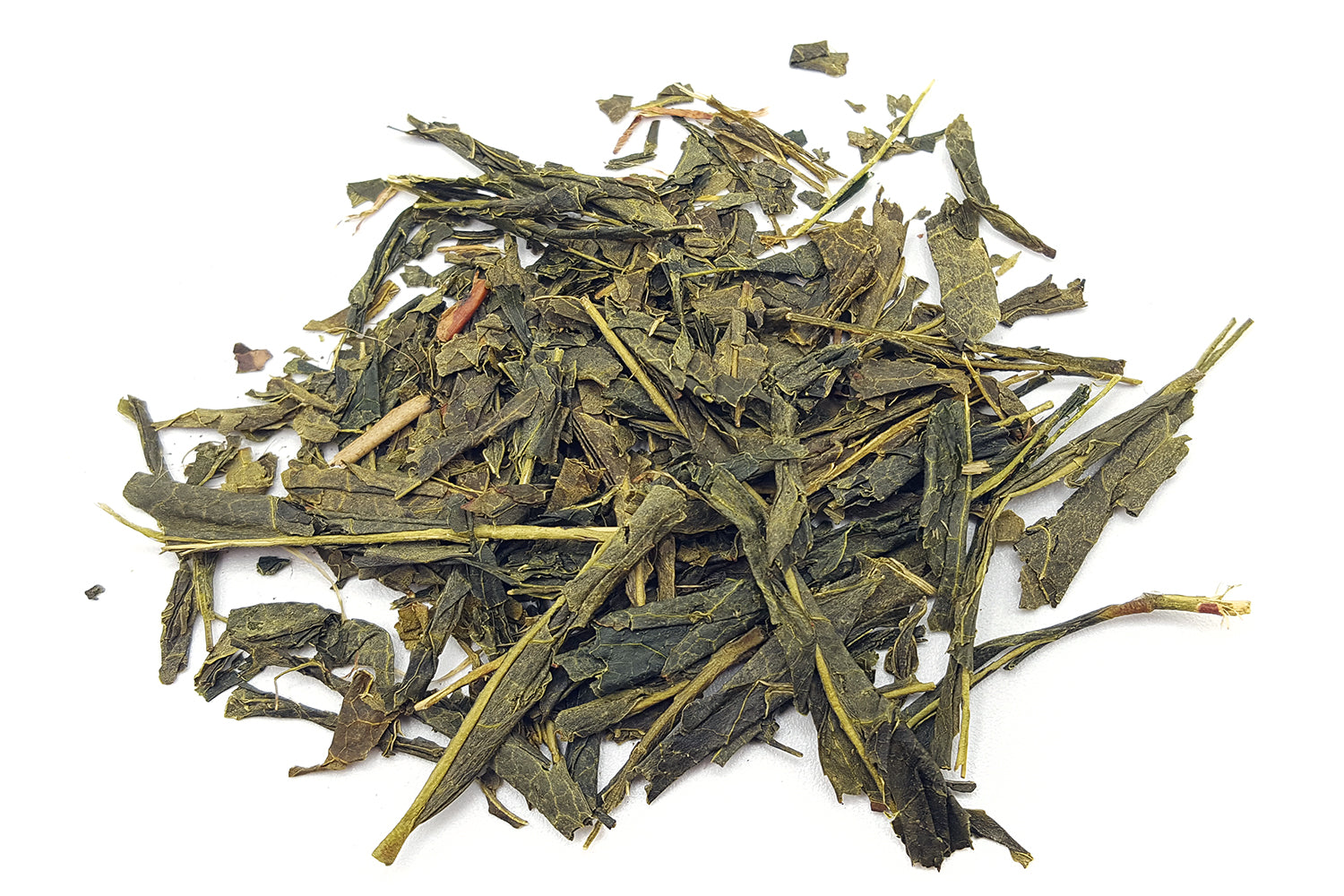
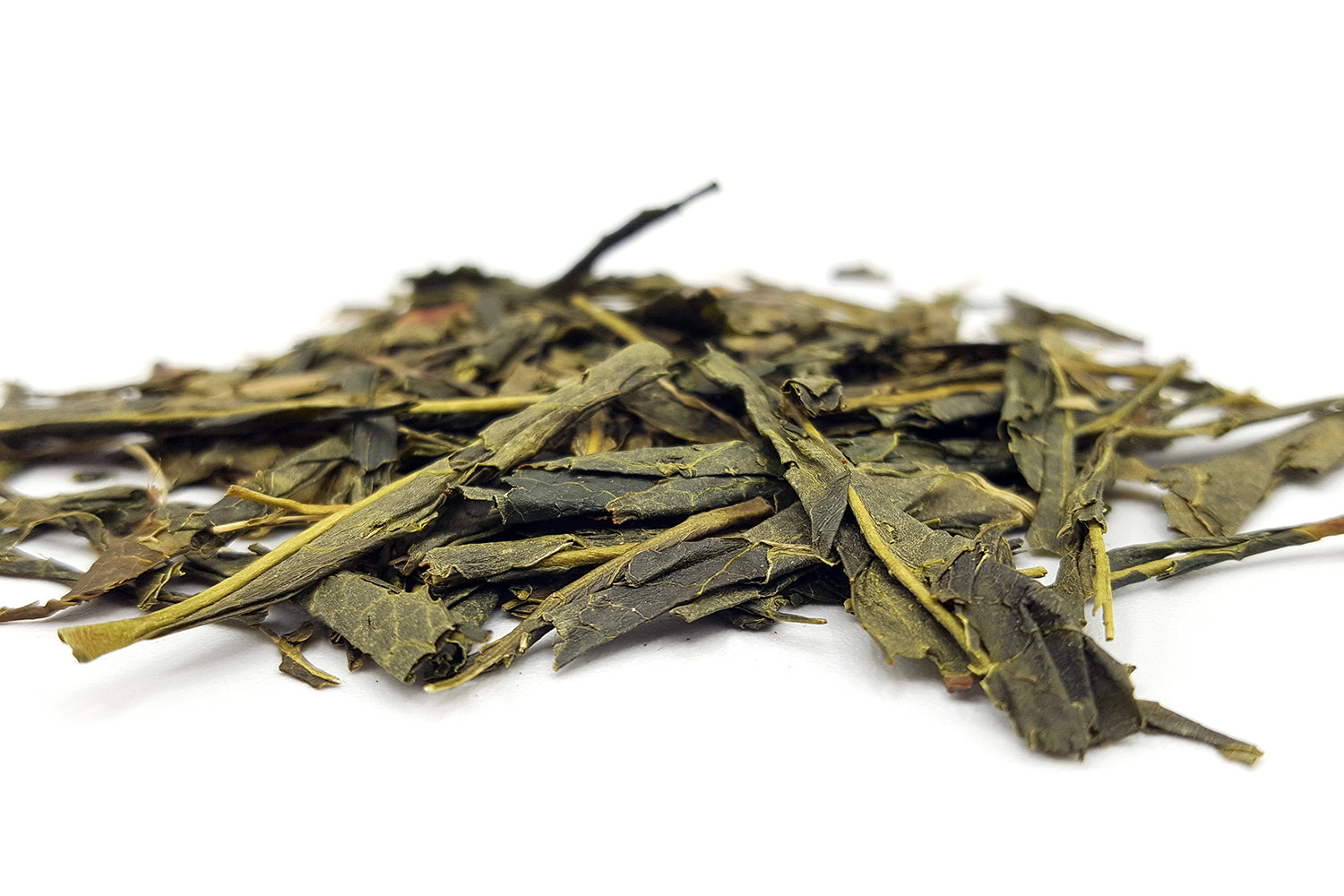
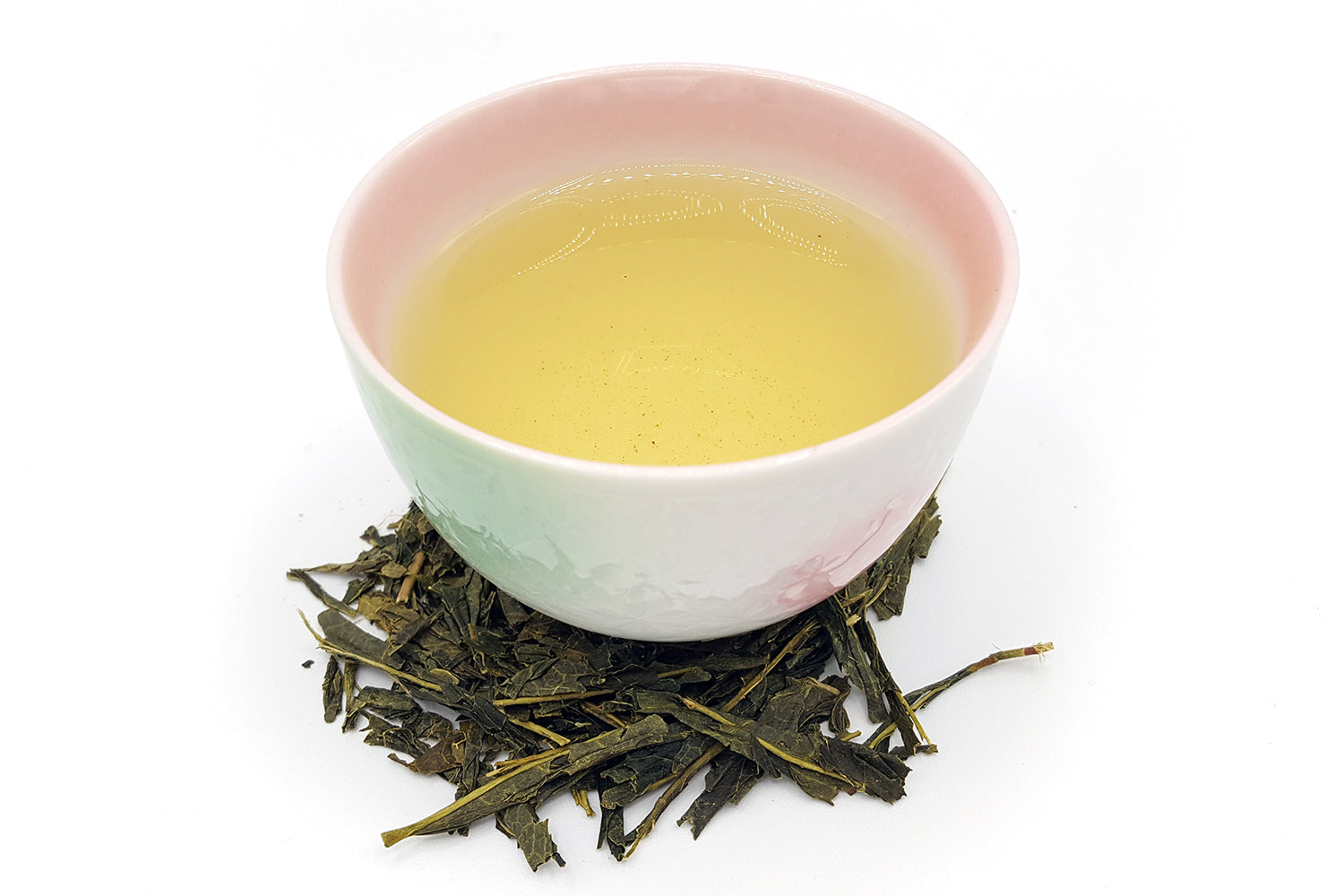
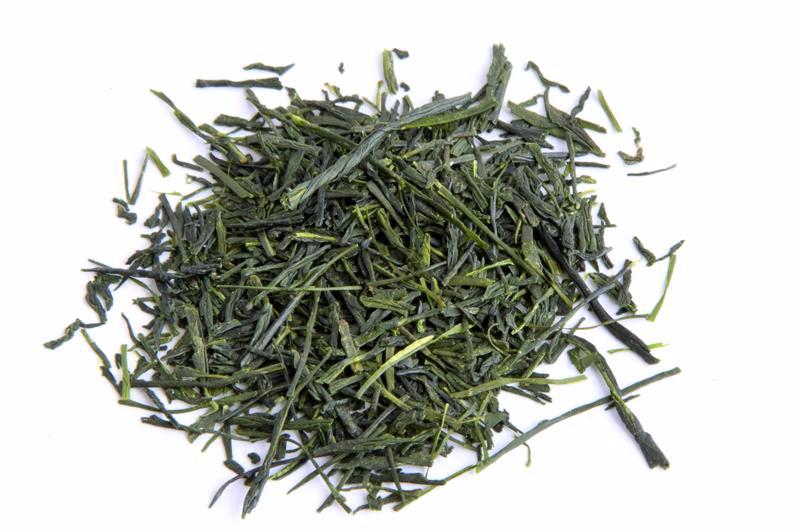
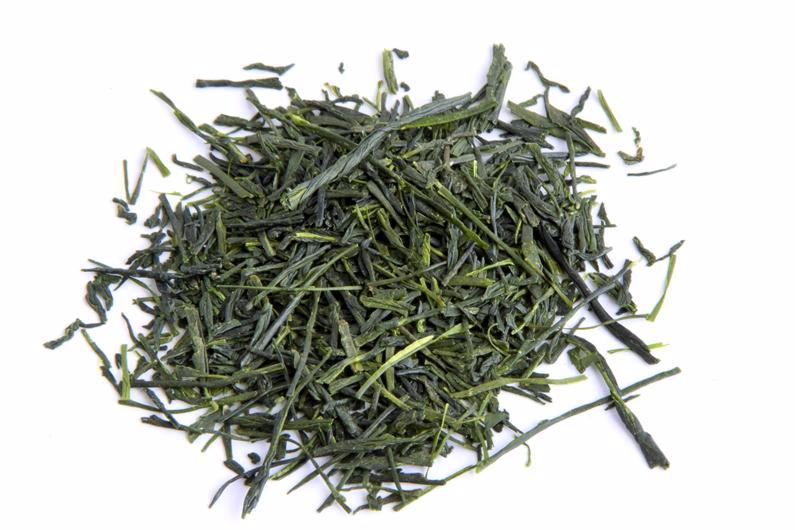
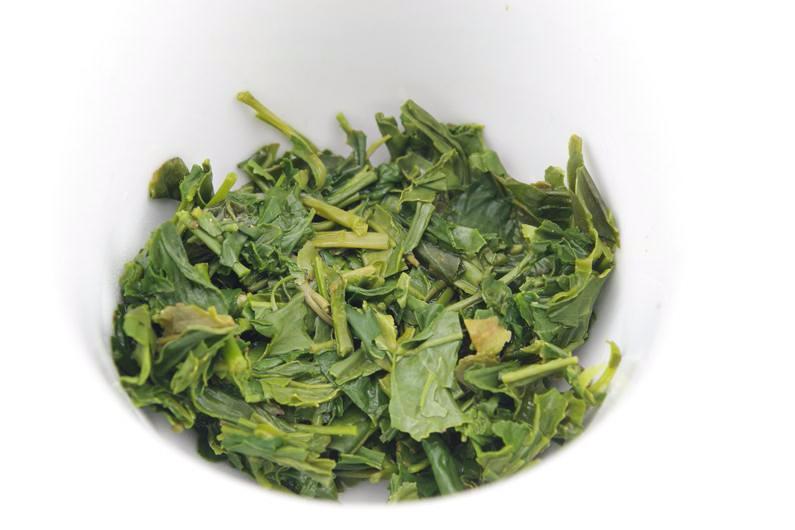
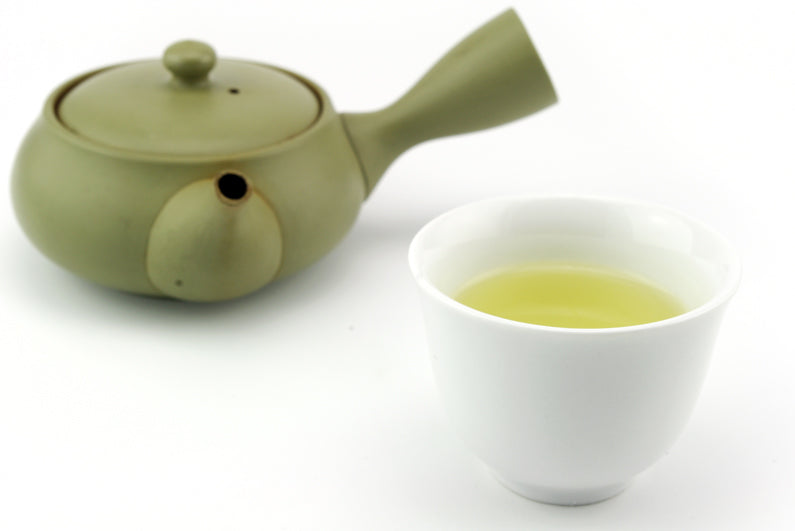
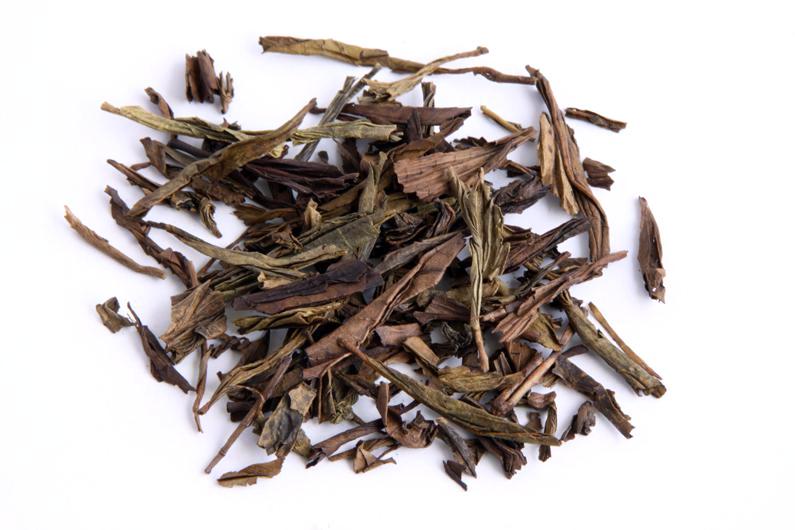
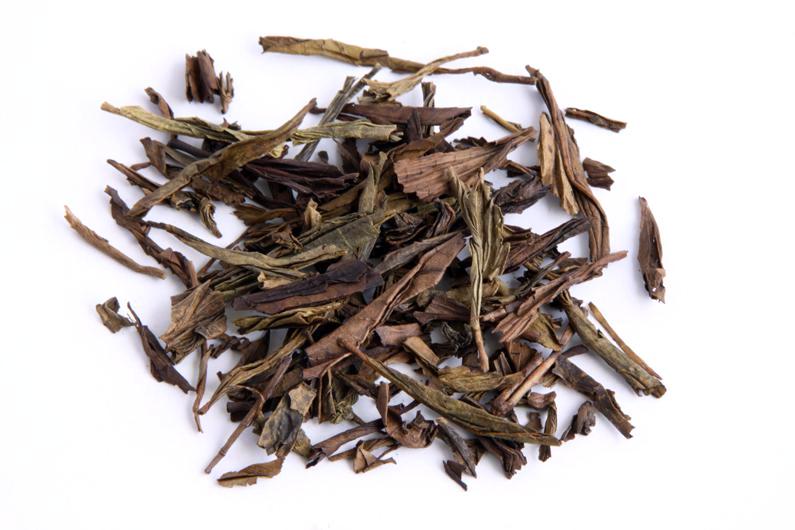
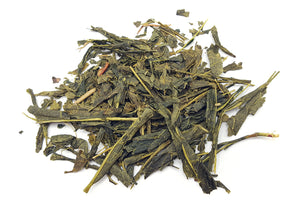
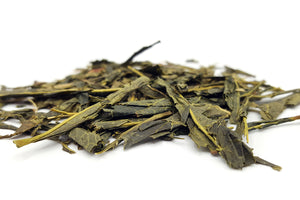
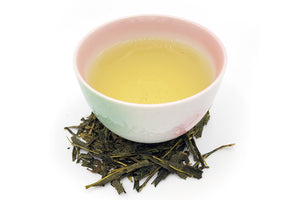
Le Bancha est un thé vert de tradition japonaise idéal à savourer au quotidien. Vif et frais, il développe des notes végétales et une légère amertume rafraîchissante. On décèle des pointes d'asperge, d'herbe fraîche et de paille.
Voir la description complète du produit »
10.95 $ CAD
| /
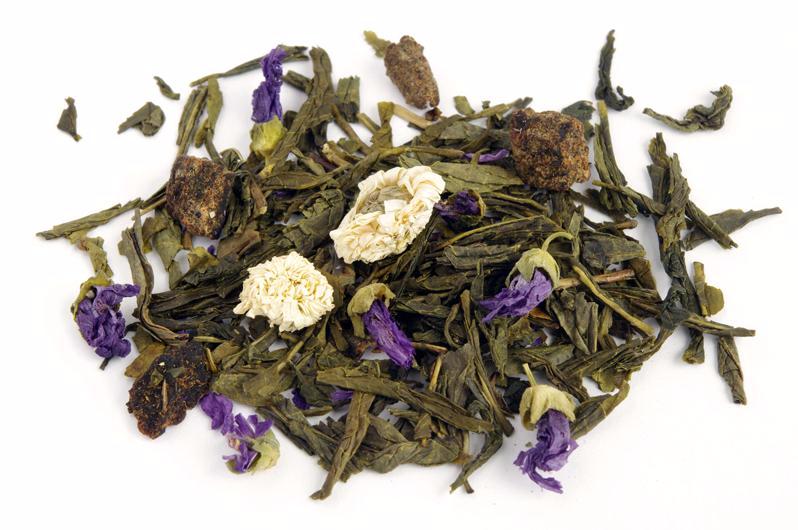
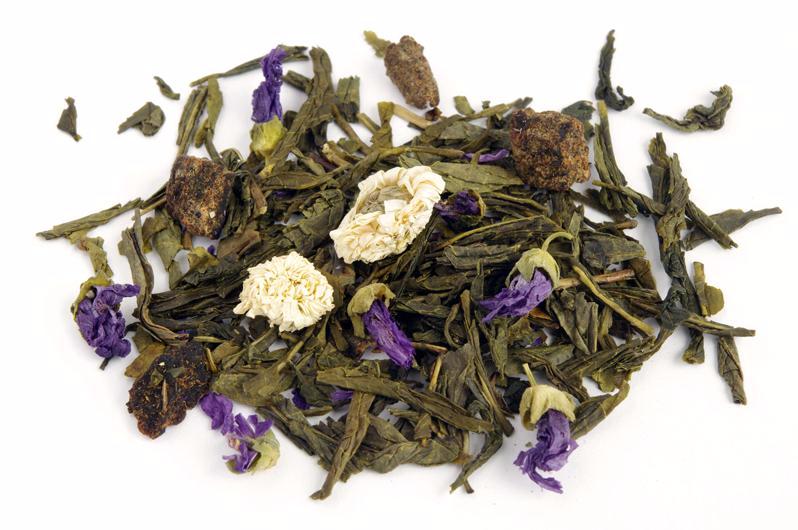
L'alliance de la pêche, de fruits de la passion, de fleurs de mauve* et de thé vert japonais Sencha donne ce thé fruité et frais. Entièrement composé d'ingrédients naturels il est délicieux tel quel mais également en thé glacé.
-
Vous aimez ce thé? Notre équipe vous suggère de goûter au thé vert Fleurs du Japon.
*L’apparence du mélange peut légèrement changer, sans que son goût n’en soit modifié. Peut aussi contenir des fleurs de camomille.
Voir la description complète du produit »
9.60 $ CAD
| /
Le bukhial provient des jardins situés au sud du fleuve Brahmapoutre, en Inde. Il s'agit d'un thé noir miellé, malté et épicé dont M. Dhar, le propriétaire, est particulièrement fier. Goûteux mais fin, ce thé est également idéal si vous recherchez un thé noir pour faire vos propres mélanges de chaï ou votre Kombucha maison. Il est polyvalent, économique tout en offrant un excellent rapport qualité-prix.
-
Si vous connaissez déjà et aimez le Bukhial, il est fort à parier que vous aimerez notre thé noir Keemun Mao Feng.
Voir la description complète du produit »
11.10 $ CAD
| /
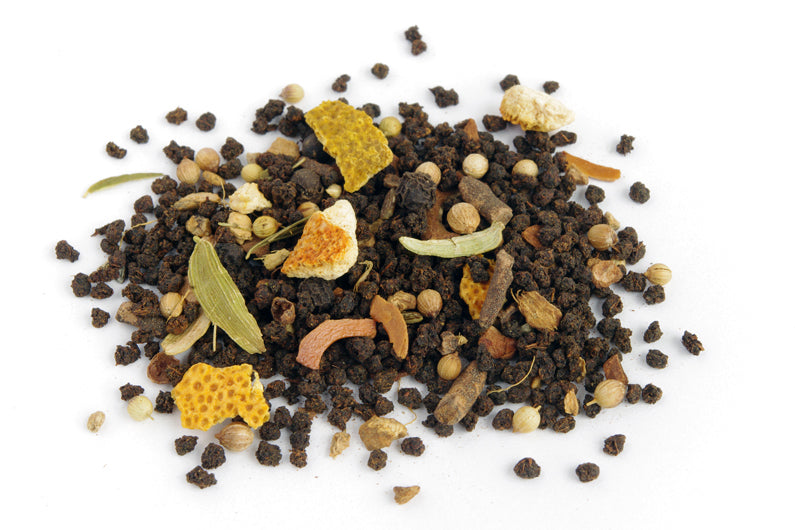
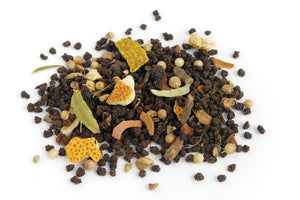
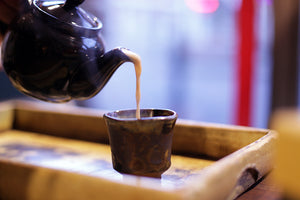
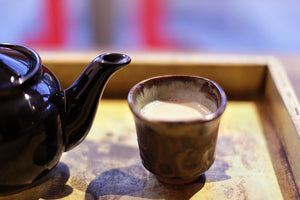
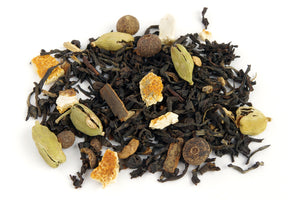
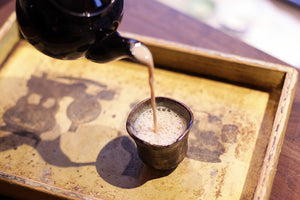
Le Chaï est un thé épicé traditionnel couramment consommé en Inde et au Sri Lanka. On mélange du thé noir et des épices indiennes puis on laisse mijoter dans du lait auquel on ajoute du miel ou du sucre.
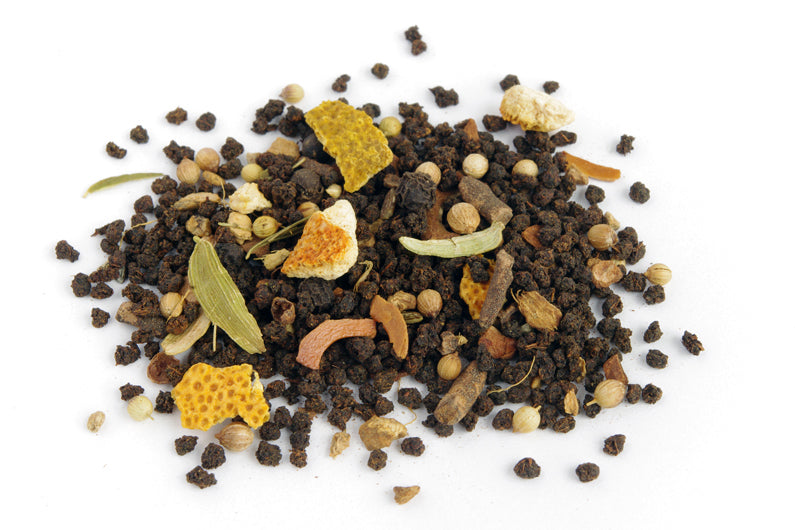
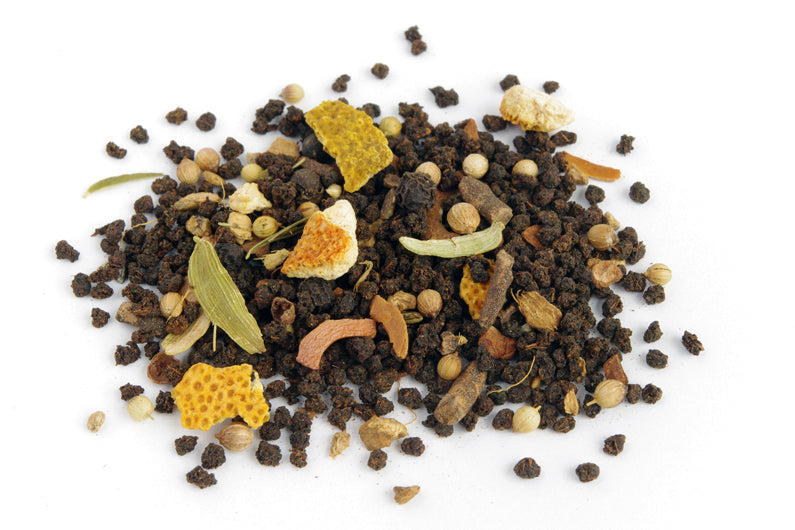
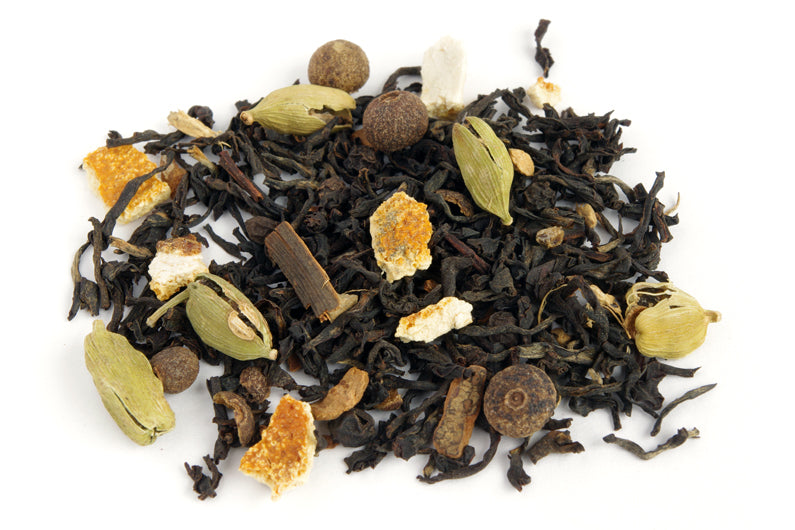
Notre chaï provient de la région d'Assam en Inde et se compose d'anis, de cardamome, de clou de girofle, de cannelle, de gingembre, d'orange, de poivre noir, de graines de fenouil et de coriandre.
-
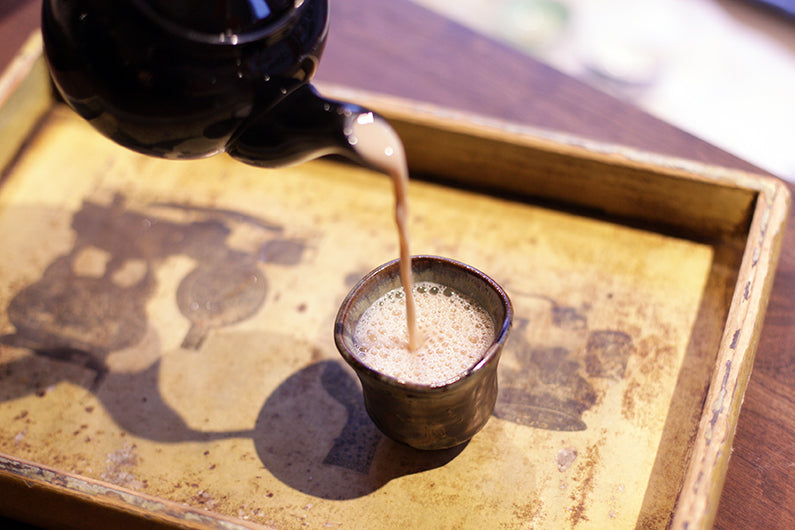
Ce chaï offre un goût très bien équilibré, riche en épices. Il est parfait pour faire un chaï latté goûteux et se prête bien à la technique traditionnelle indienne.
-
Idéal pour ceux qui aiment un chaï relevé aux notes épicées prononcées, pour ajouter au chocolat chaud ou pour préparer en chaï glacé.
-
RECETTE pour préparer le chaï à la maison:
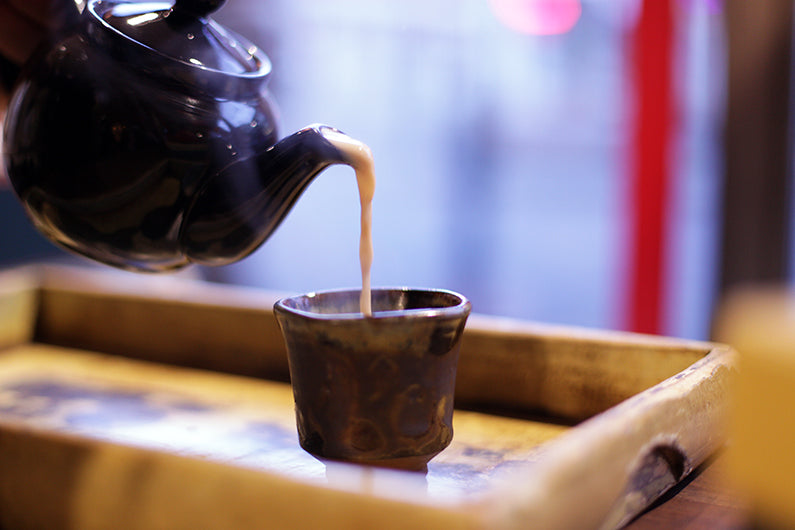
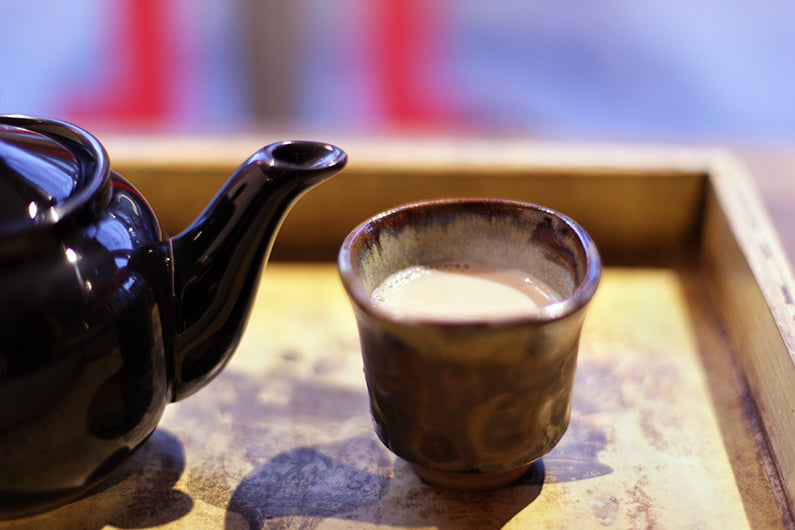
Dans un chaudron, amener à ébullition puis laisser mijoter 250 ml d'eau, 250 ml de lait, 2 c. à thé de chaï Cha Noir et 1 c. à thé de miel pendant 4 à 5 minutes. Filtrer et verser dans une théière.
Voir la description complète du produit »
11.10 $ CAD
| /
Le Chaï est un mélange aux parfums envoûtants de thé noir et d’épices indiennes auquel on ajoute lait et sucre. Une boisson couramment consommée en Inde et au Sri Lanka.
-
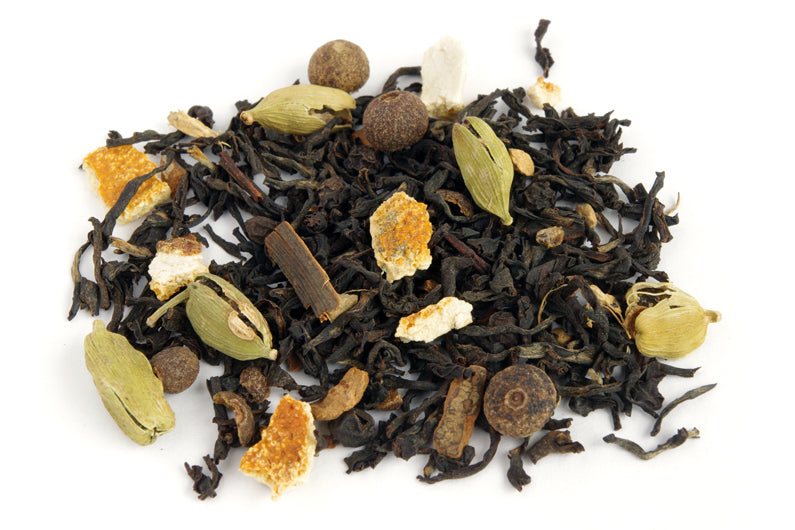
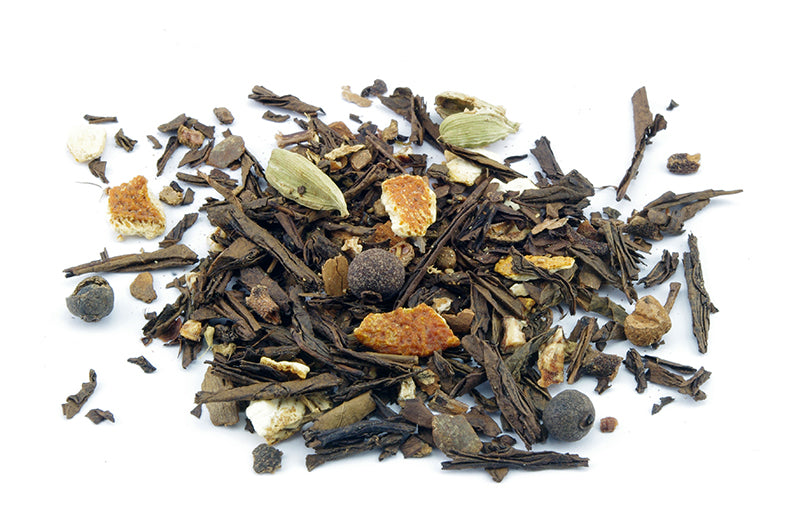
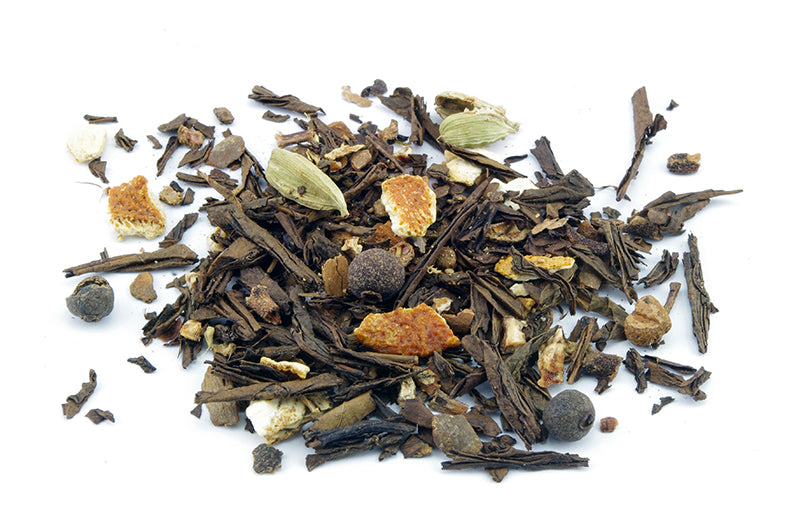
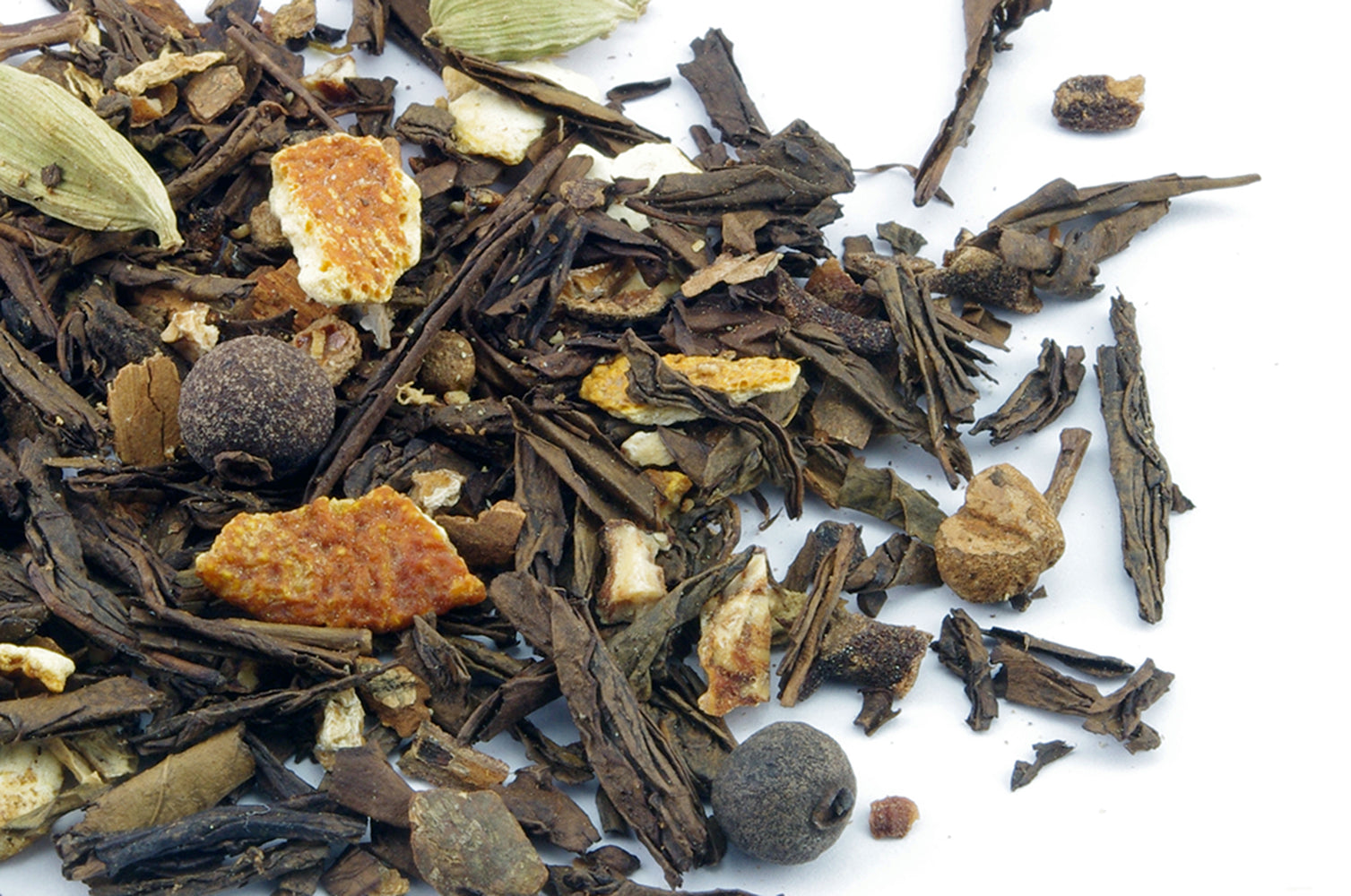
Dans ce thé savamment concocté par l’équipe du Cha Noir, la cardamome, la cannelle, l’orange, le gingembre, le poivre noir et le piment de la Jamaïque se marient à merveille au thé noir à feuille entière de la région d’Assam.
Son goût est plus délicat que le Chaï Cha Noir mais se prête tout aussi bien à la préparation traditionnelle indienne en latté dans un chaudron.
-
RECETTE pour préparer le chaï à la maison:
Dans un chaudron, amener à ébullition puis laisser mijoter 250 ml d'eau, 250 ml de lait, 2 c. à thé de chaï du Cachemire et 1 c. à thé de miel pendant 4 à 5 minutes. Filtrer et verser dans une théière.
Voir la description complète du produit »


11.65 $ CAD
| /
Pour les amateurs de chaï qui aiment explorer des versions différentes, ce chaï au thé vert, présente une belle délicatesse. Masala est le terme, dans la culture indienne notamment, qui désigne un mélange. Pour composer ce chaï, on a donc soigneusement agencé des épices et des pétales de fleurs à une base de thé vert biologique. Ce chaï plaira à ceux qui souhaitent trouver le réconfort dans une tasse épicée, tout en douceur et sans effet corsé.
-
Notre recette a la particularité de ne pas être faite à base de thé noir et contient donc moins de théine qu'un chaï classique. Il sera apprécié autant en infusion classique qu'en latté. Pour un résultat optimal lorsque préparé latté, on le laisse frémir à feu doux une dizaine de minutes.
-
Ingrédients: thé vert biologique, mélisse, cardamome, gingembre, poivre noir, cannelle, calendula, rose.
-
RECETTE pour préparer ce chaï latté à la maison :
Dans un chaudron, amener à ébullition puis laisser mijoter 250 ml d'eau, 250 ml de lait, 2 c. à thé de Chaï Vert et 1 c. à thé de miel pendant 8 à 10 minutes. Filtrer et verser dans une théière.
Voir la description complète du produit »
14.15 $ CAD
| /
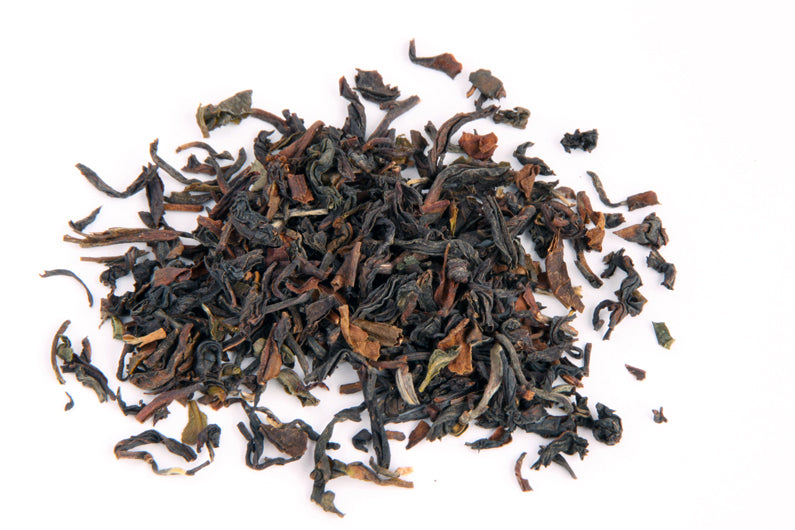
Thé provenant de la région de Darjeeling (Pays des orages) située en Inde au pied de l’Himalaya. Délicat et souple, il offre une tasse aromatique évoquant les fruits mûrs (prune).
2e récolte.
Voir la description complète du produit »
14.15 $ CAD
| /
Thé indien plus corsé qu’un Darjeeling typique, le Muscatel donne une liqueur légèrement astringente au goût de cacao et de miel.
1ère récolte.
Voir la description complète du produit »
11.00 $ CAD
| /
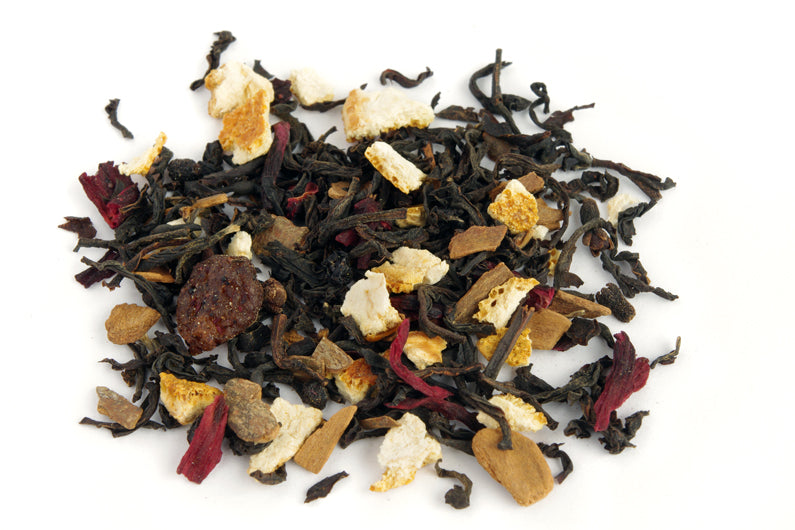
Le Douceurs d'Assam est un délicieux mélange de thé noir Indien, de petits fruits, de cannelle, d’orange et de clou de girofle. Une exclusivité de la maison. Pour la petite histoire; originellement, nous avions créé ce thé pour Noël mais il a tellement été populaire que nous avons décidé de le conserver toute l'année durant et d'en changer le nom!
Voir la description complète du produit »
13.35 $ CAD
| /
Thé vert de Chine parfumé à la fleur de jasmin offrant une tasse florale, soutenue et équilibrée. Il accompagne délicieusement les repas à saveur asiatique.
Voir la description complète du produit »
8.95 $ CAD
| /
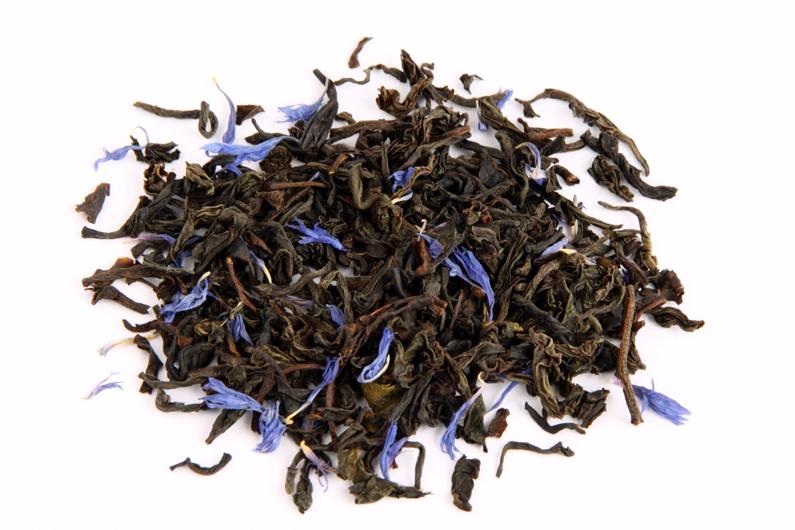
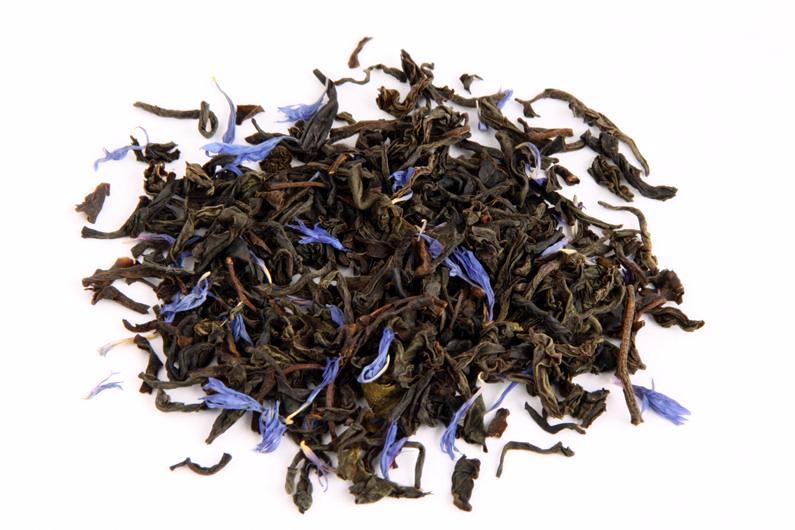
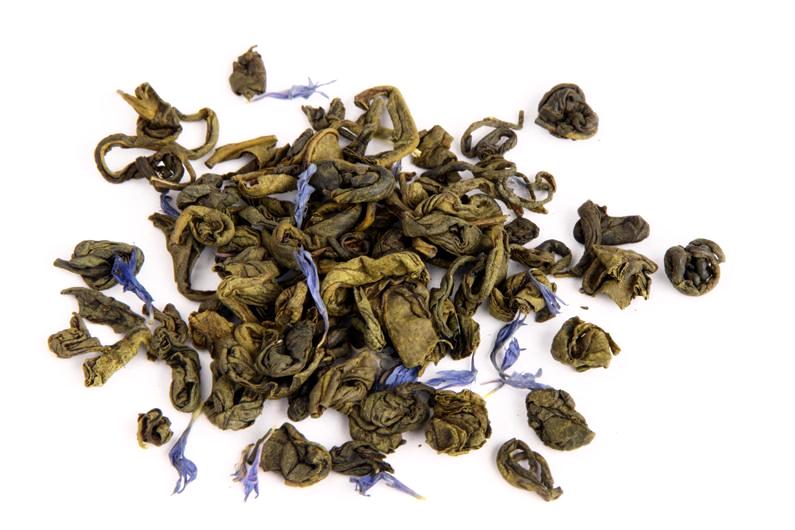
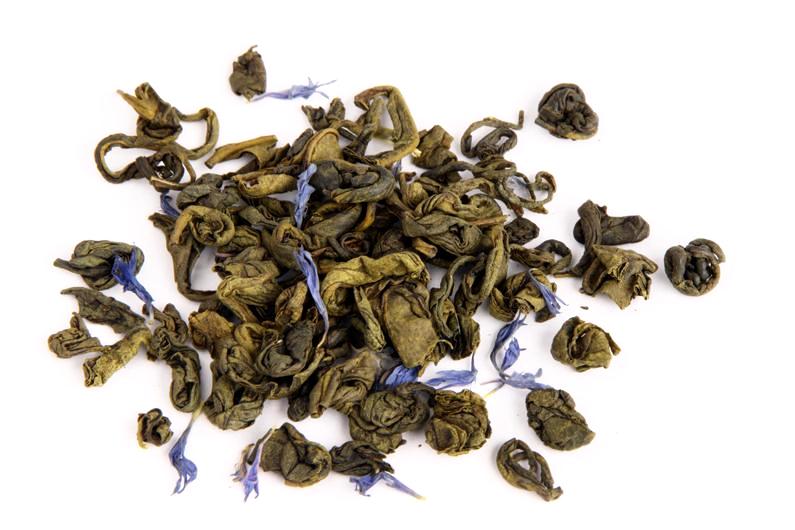
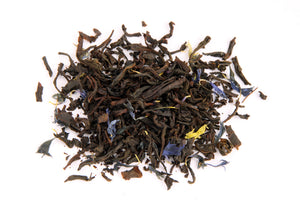
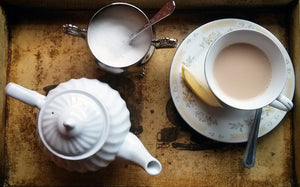
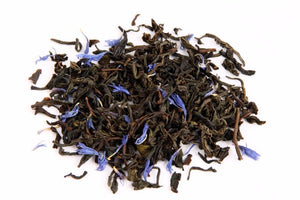
Ce thé doit son nom au comte Edward Grey, premier ministre Britannique de 1830 à 1834. Il offrit une vieille recette chinoise à une compagnie de thé britannique, recette qui consistait à parfumer le thé avec de la bergamote (un agrume) et des fleurs de bleuet. On nomma ce thé en son honneur.
Voir la description complète du produit »
8.95 $ CAD
| /
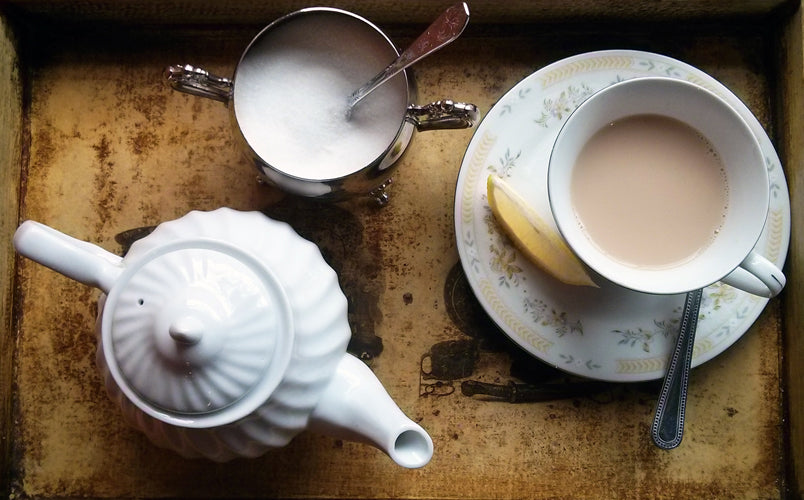
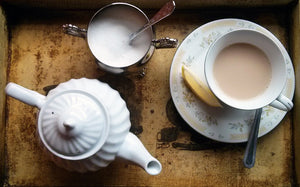
Earl Grey noir avec un ajout de parfum de vanille qui adoucit la tasse. Infusion claire et cuivrée. Un must pour les amateurs de thés anglais ! C'est le thé idéal pour préparer un thé de style "London Fog".
Ce thé doit son nom au comte Edward Grey, premier ministre Britannique de 1830 à 1834. Il offrit une vieille recette chinoise à une compagnie de thé britannique, recette qui consistait à parfumer le thé avec de la bergamote (un agrume) et des fleurs de bleuet. On nomma ce thé en son honneur.
Voir la description complète du produit »
8.95 $ CAD
| /
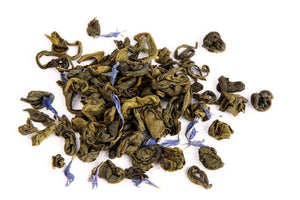
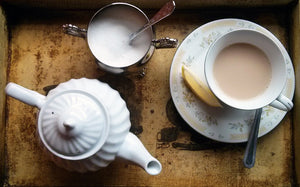
Nous avons troqué le traditionnel thé noir du Earl Grey par un thé vert du Sri Lanka. Idéal pour l'amateur de thé anglais souhaitant bénéficier des vertus du thé vert! Même bon goût de bergamote mais en plus doux, ce qui confère un bel équilibre en bouche.
Ce thé doit son nom au comte Edward Grey, premier ministre Britannique de 1830 à 1834. Il offrit une vieille recette chinoise à une compagnie de thé britannique, recette qui consistait à parfumer le thé avec de la bergamote (un agrume) et des fleurs de bleuet. On nomma ce thé en son honneur.
Voir la description complète du produit »
8.60 $ CAD
| /
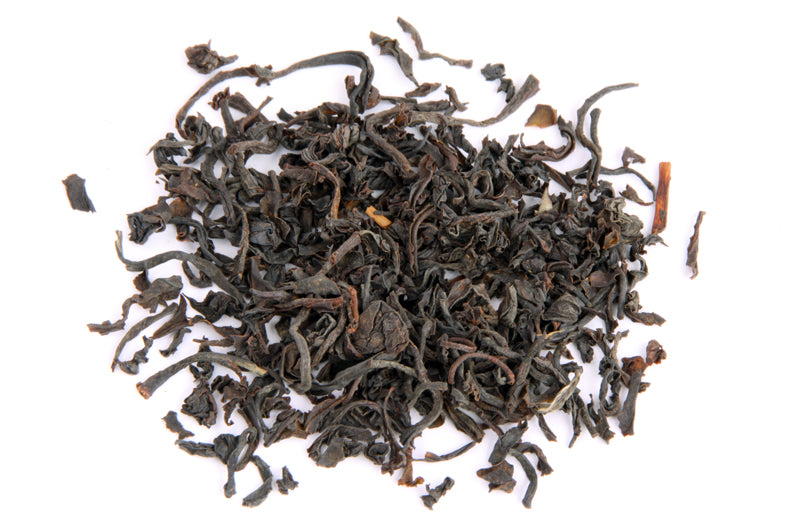
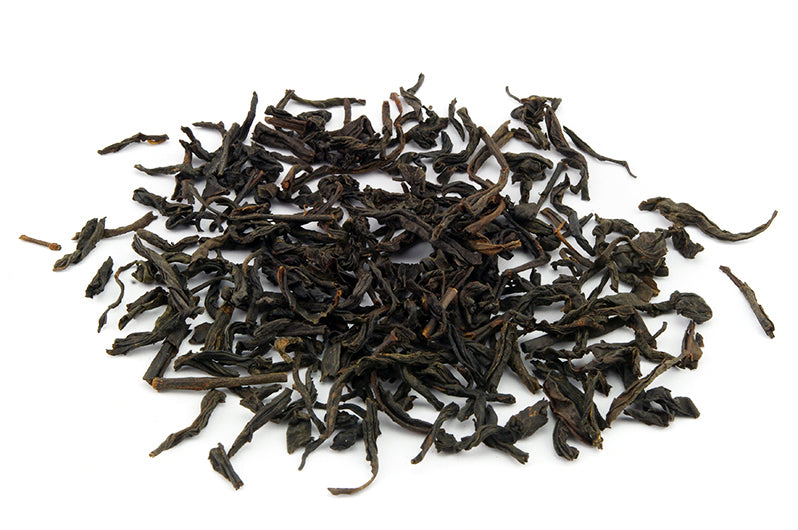
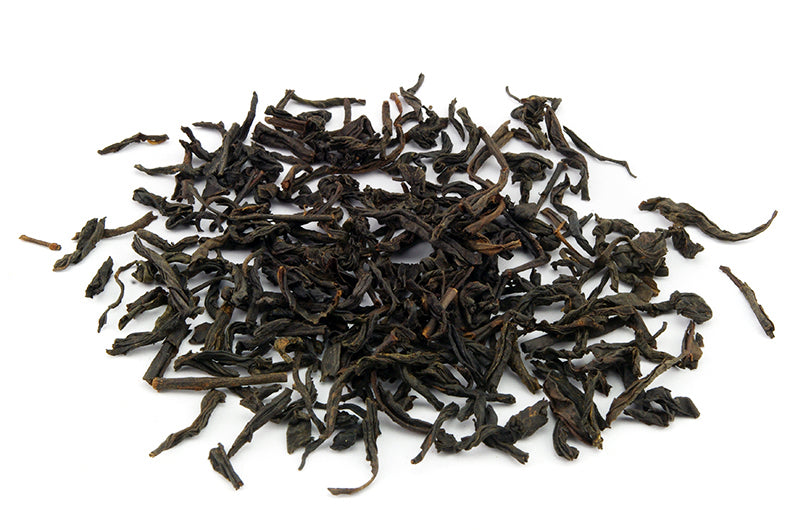
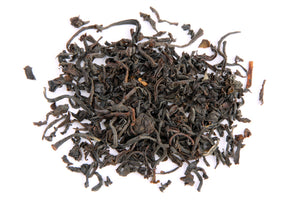
Ce thé noir corsé au bouquet boisé est un mélange de trois thés provenant du Sri Lanka (Ceylan), du Kenya et de l’Inde. Les Anglais le boivent traditionnellement au petit déjeuner ou en après-midi. On peut se permettre d’y ajouter du lait et un peu de sucre mais nous le suggérons d'abord nature.
-
À la différence des Earl Grey, le English Breakfast n'est PAS un thé parfumé, mais plutôt un assemblage de thés noirs, de provenances différentes. L'histoire derrière ce ''blend'' classique britannique, c'est de composer une tasse de thé parfaite: équilibrée, goûteuse, juste assez corsée et qui peut supporter un bon nuage de lait. La recette varie d'un endroit à un autre. Notre mélange charme avec son goût profond.
Voir la description complète du produit »
9.60 $ CAD
| /
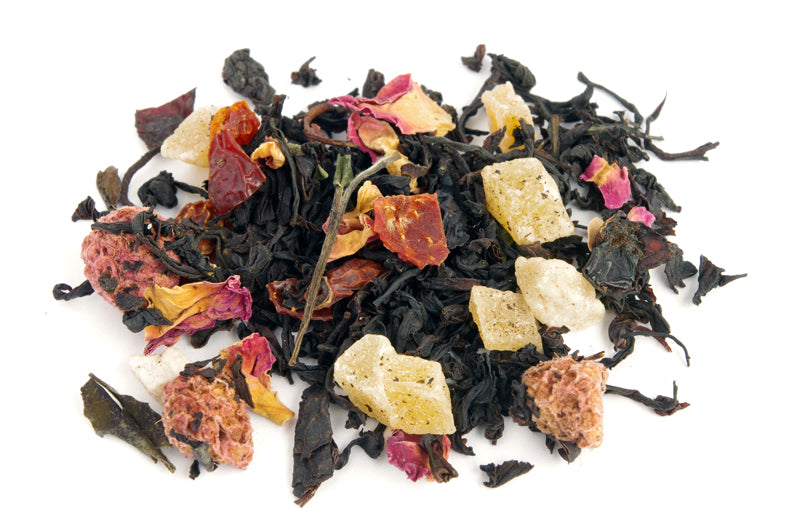
Thé noir parfumé du Sri Lanka évoquant les baies sauvages de l’Arctique. Contient un mélange de thé noir, thé blanc, mangue, églantier, framboise et pétales de rose. Donne une tasse riche à la saveur relevée de framboises et de rose, avec des notes de bleuets et de sureau.
Voir la description complète du produit »
11.85 $ CAD
| /
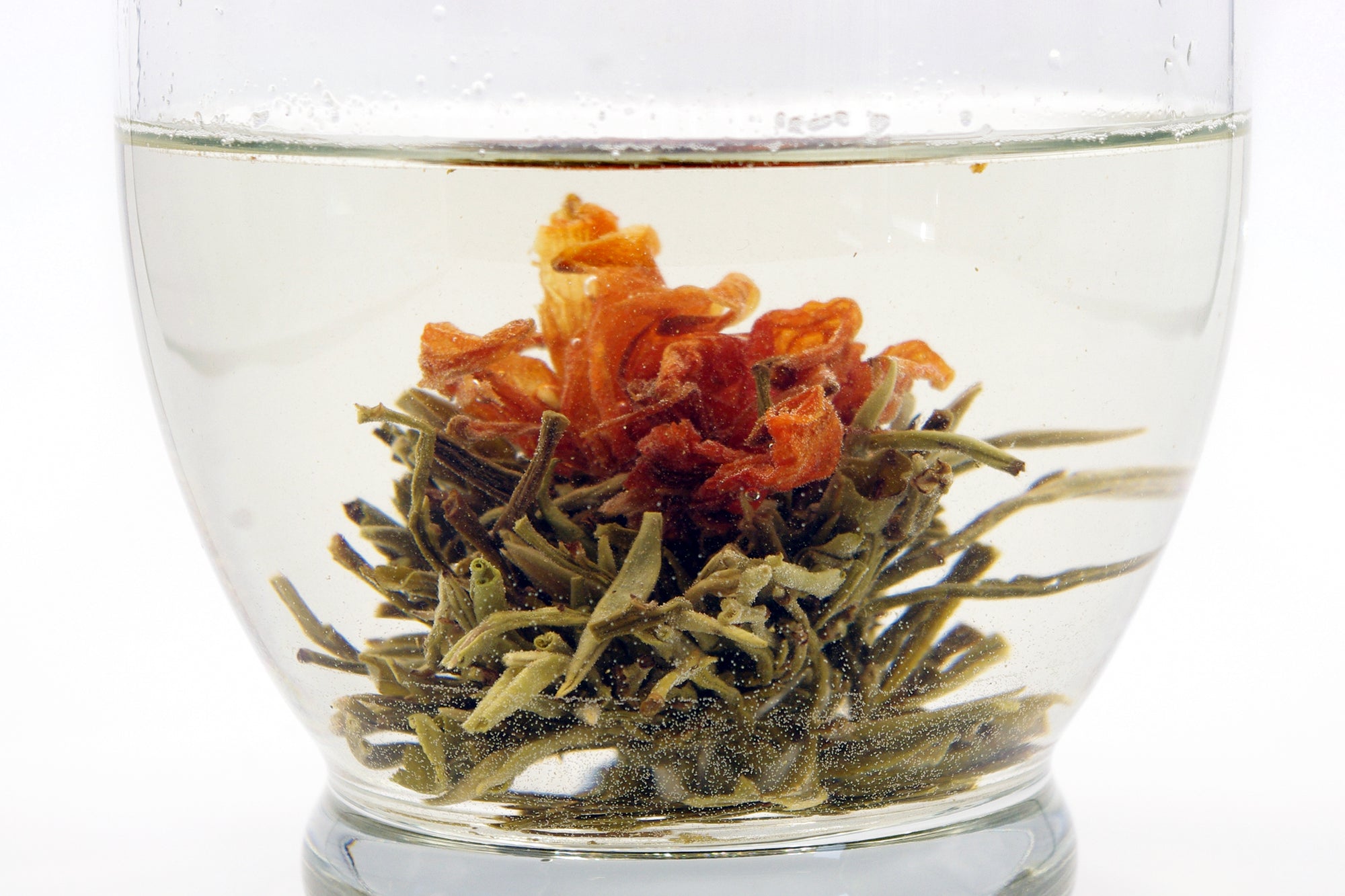
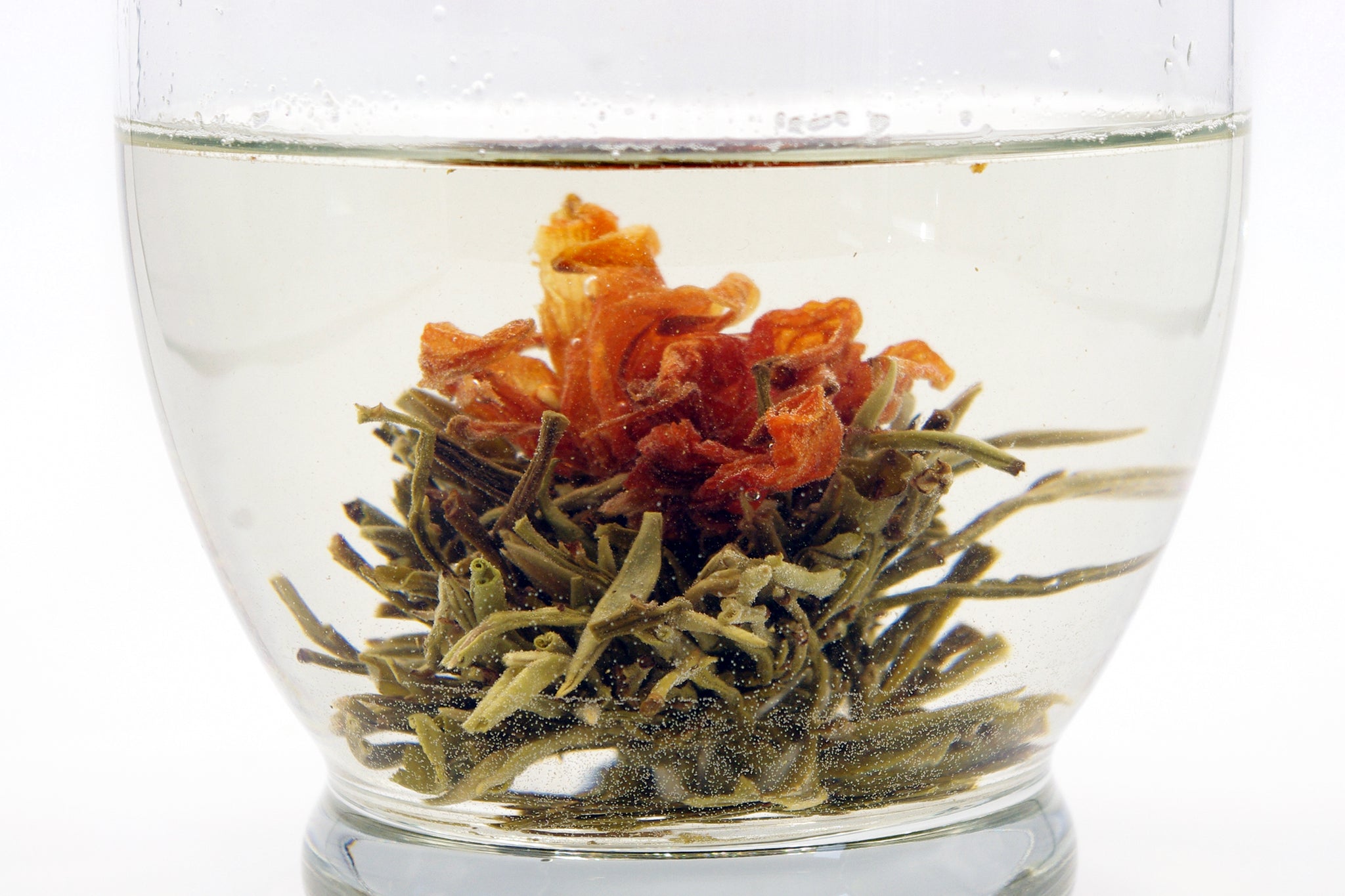
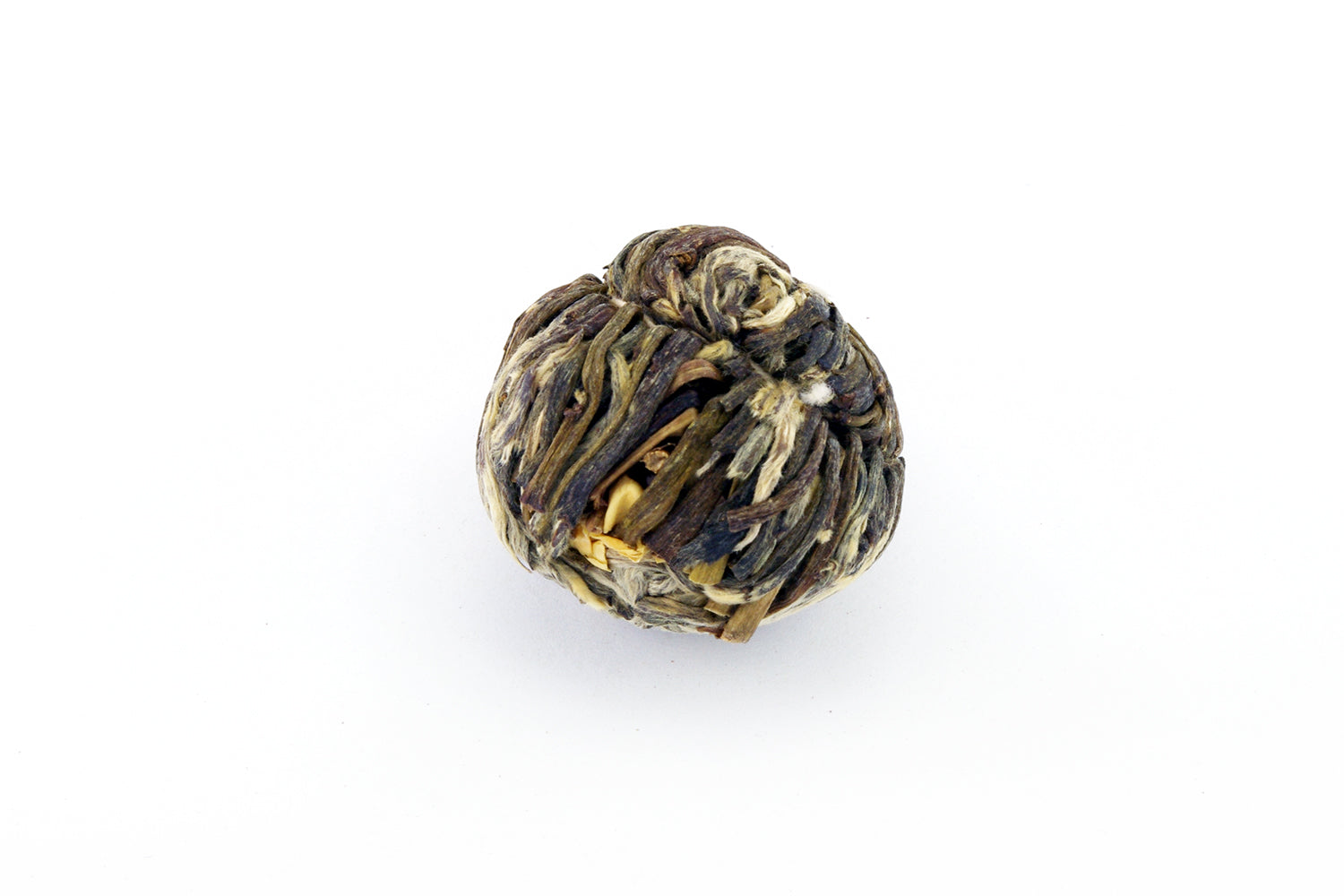
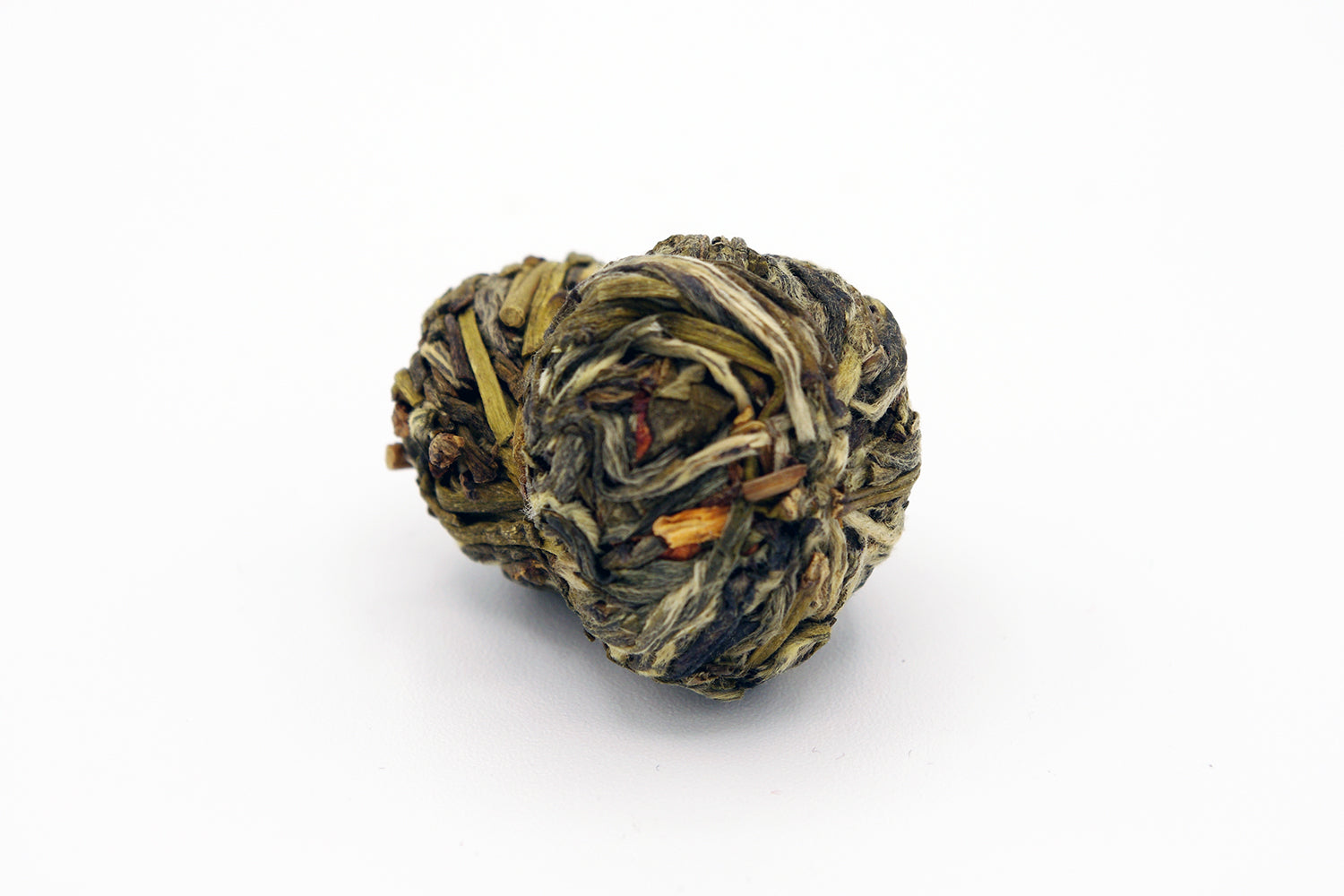
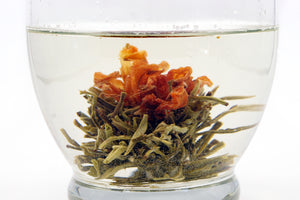
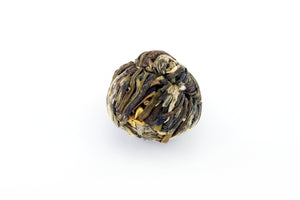
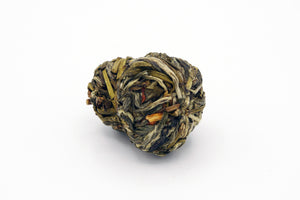
Entre 200 et 250 délicates feuilles (bourgeons) de thé vert sont attachés ensemble et façonnées dans chaque "fleur de thé" de façon à s'ouvrir lors de l'infusion. Parfumé au jasmin ce thé façonné à la main offre un magnifique spectacle lors de l'infusion dans une théière en verre en s'ouvrant lentement sur une fleur.
Emballage de 3 fleurs de thé.
-
La forme et la fleur peuvent varier selon les arrivages mais les feuilles de thé, le goût et le parfum de jasmin sont les mêmes.
Voir la description complète du produit »
10.95 $ CAD
| /
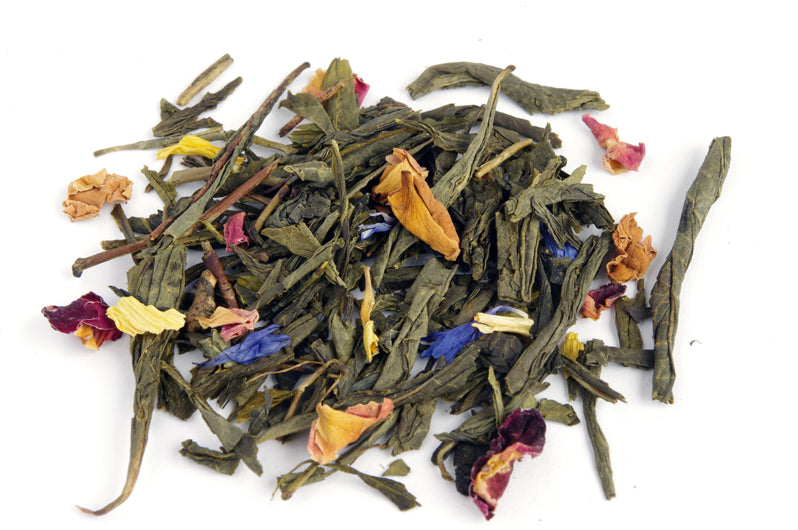
Assemblage de thé vert du Japon Sencha, de rose, de mangue, de bergamote, de fleurs de bleuet et de fleurs de tournesol.
Voir la description complète du produit »
12.10 $ CAD
| /
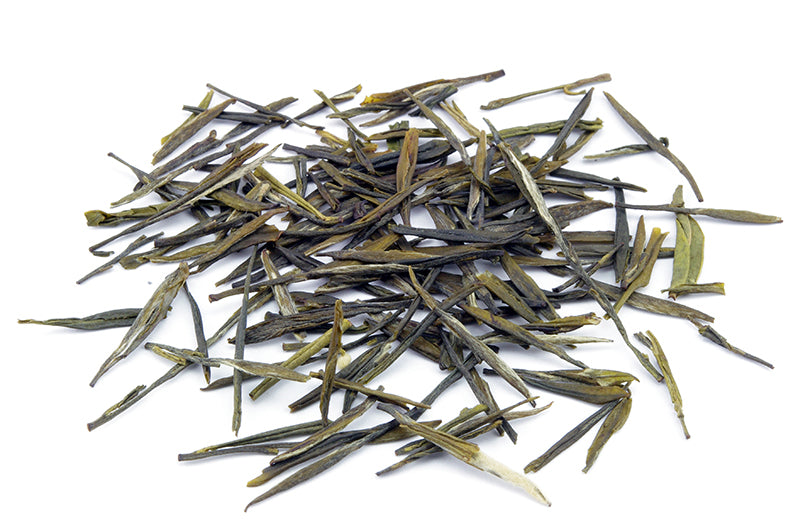
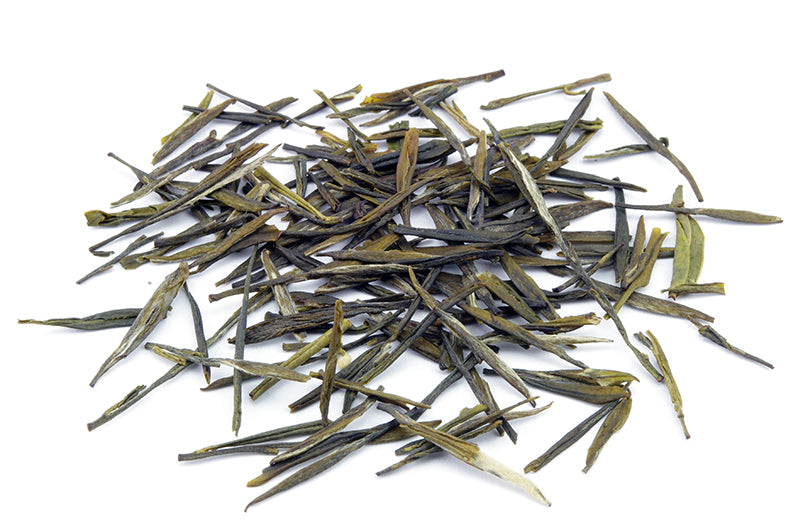
Cultivé dans la province d’Anhui en Chine, ce thé jaune est au nez plutôt végétal, mais offre en bouche des notes poivrées avec une pointe d’acidité. Un thé vif et tannique à la finale vanillée.
Voir la description complète du produit »
13.80 $ CAD
| /
Oolong de Taiwan fortement oxydé (entre 60 et 70 %) qui donne une liqueur fruitée légèrement boisée. Un thé accessible et bien équilibré.
Voir la description complète du produit »
8.25 $ CAD
| /
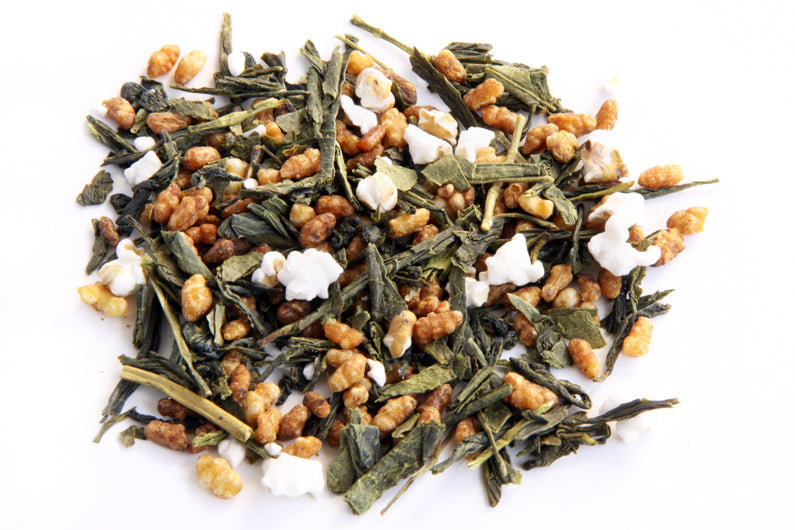
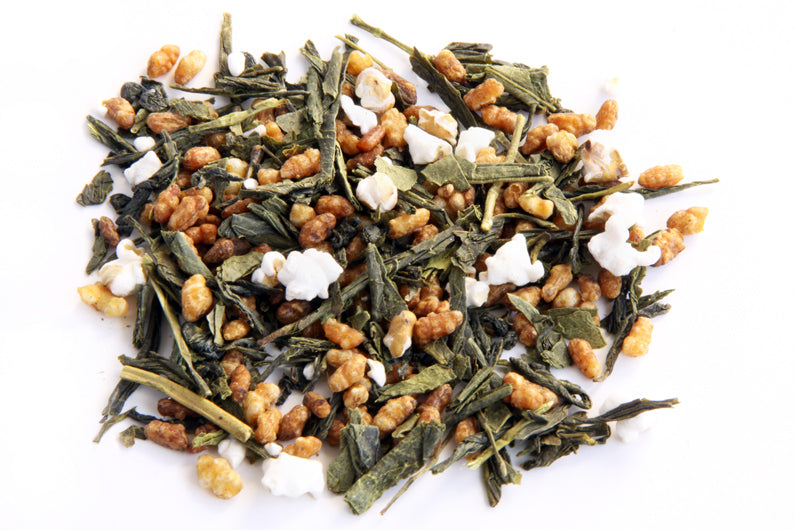
Mélange original de thé vert du Japon, de grains de riz brun grillés et soufflés. Caractère herbacé et notes grillées de céréales. Accompagne à merveille les plats salés.
Voir la description complète du produit »
10.45 $ CAD
| /
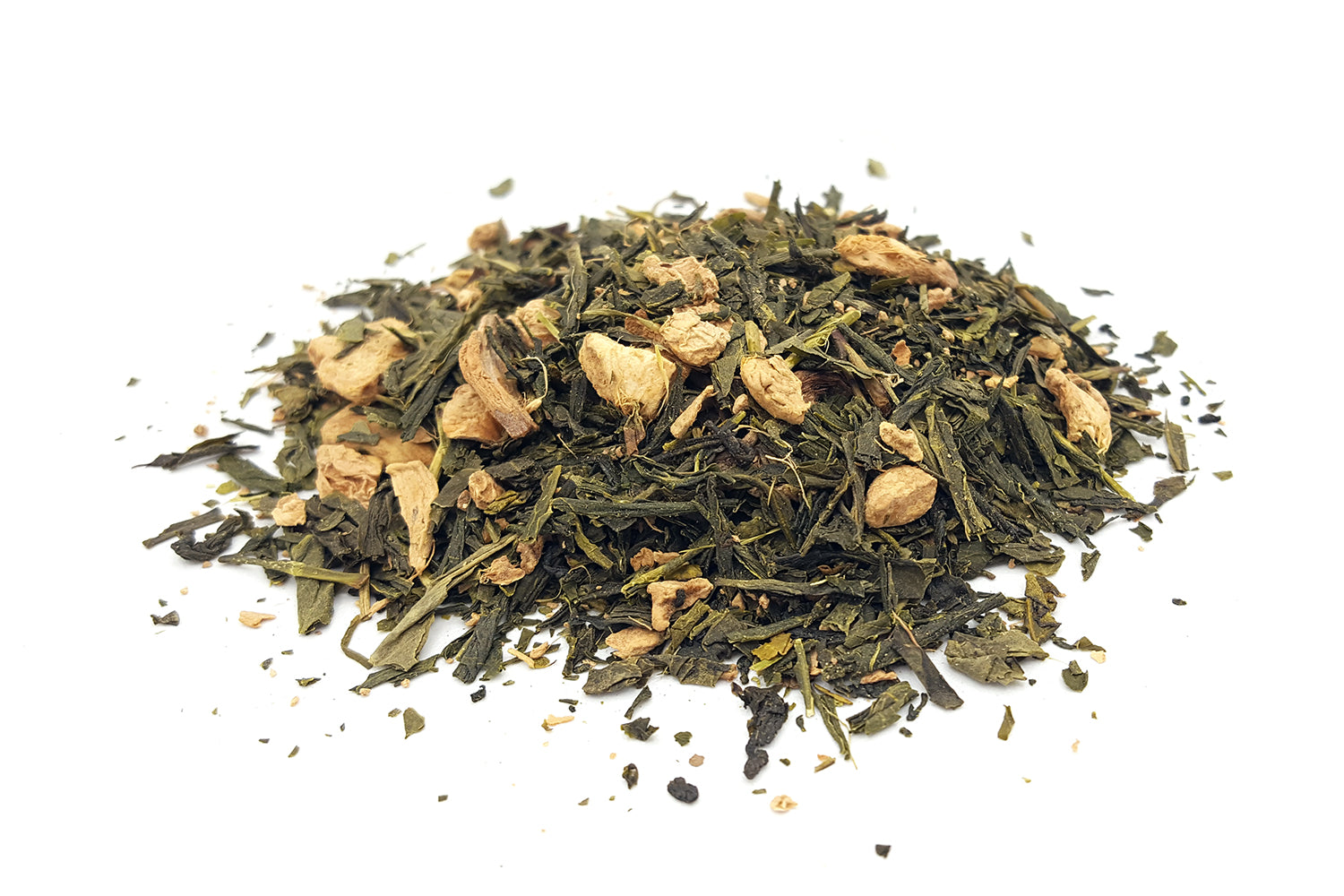
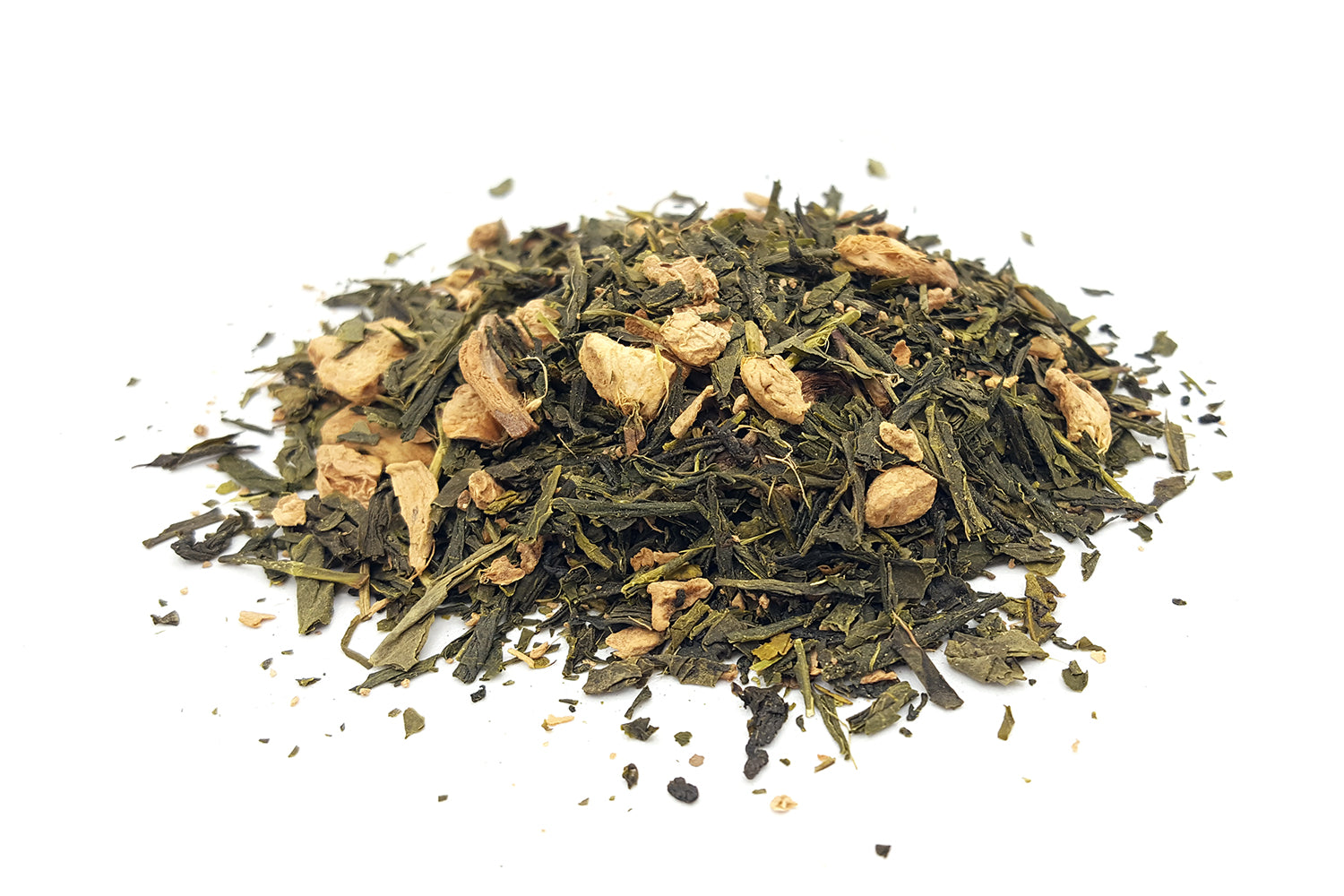
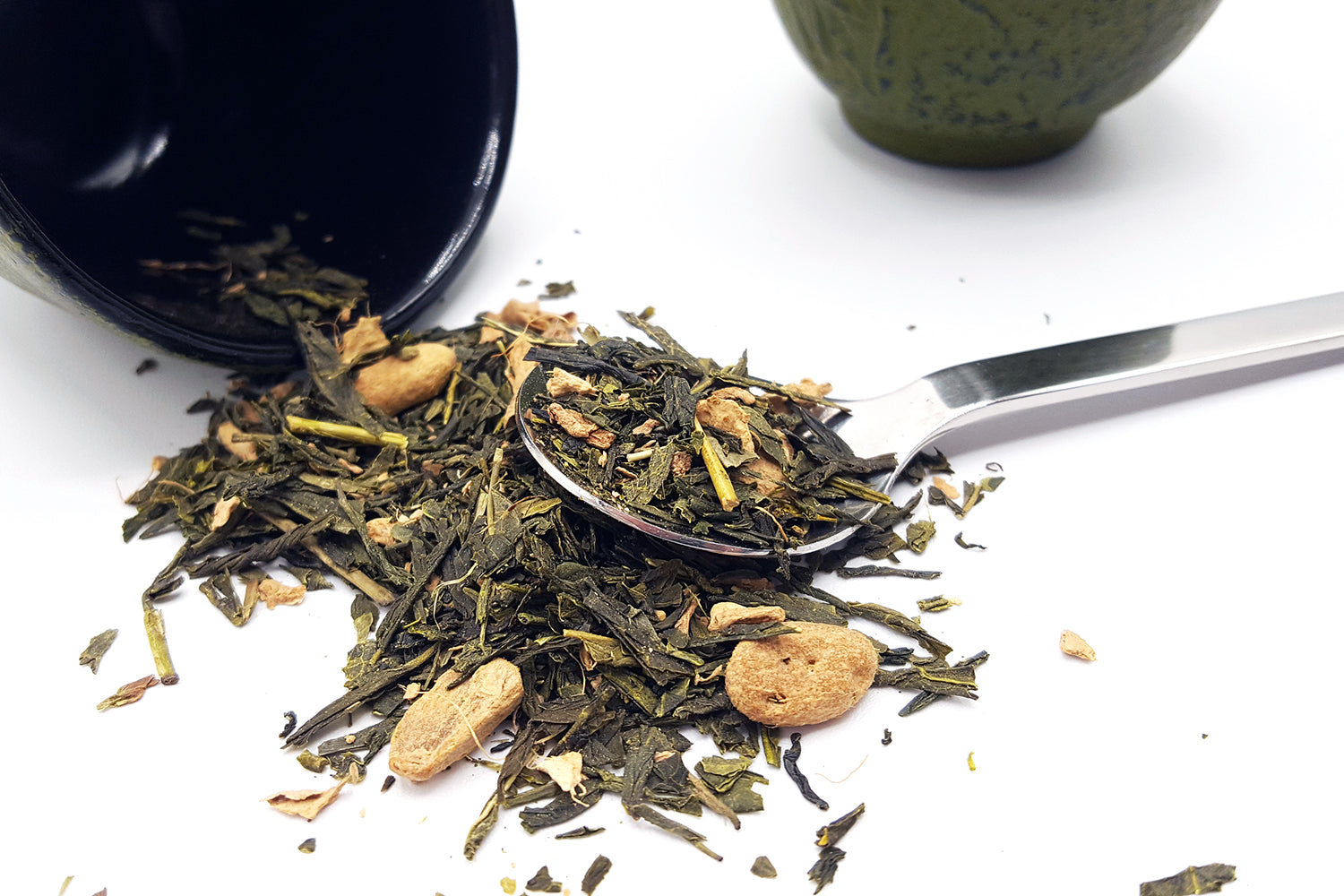
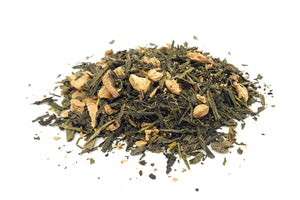
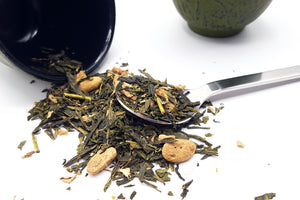
Amoureux du gingembre? Ce thé est magnifiquement bien parfumé. Composé de deux ingrédients, le Gingembre Festif allie thé vert japonais (sencha) et gingembre séché. Tout en simplicité! On sent bien les notes végétales du thé vert, tout en ayant une pointe piquante en fin de bouche amenée par le gingembre, savamment dosé.
Voir la description complète du produit »
10.75 $ CAD
| /
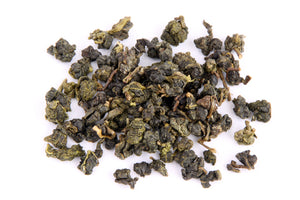
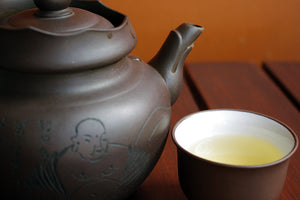
Très légèrement oxydé, ce Oolong provenant des hautes montagnes de Chine (Hung Shui) possède un délicat parfum floral et un arôme de beurre qui laisse un goût rond et fin en bouche. Un thé coup de coeur de très grande qualité à découvrir ou offrir en cadeau.
L'aspect visuel des feuilles de thé et le goût peuvent varier d'une récolte à l'autre.
Voir la description complète du produit »
11.75 $ CAD
| /
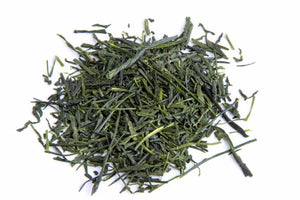
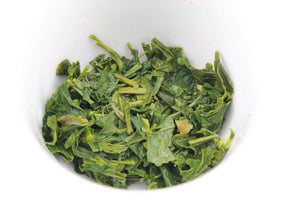
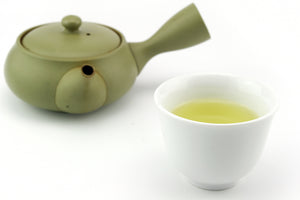
Pour obtenir ce thé vert japonais d’exception, les théiers sont recouverts de treillis de paille et ainsi protégés des rayons du soleil. La tasse offre un goût unique aux accents marins et végétaux. Une boisson complexe et dense.
Gyokuro, qui signifie “rosée précieuse” ou “perle de rosée”, est le thé le plus prestigieux du Japon.
On dit qu’il s’agit d’un thé d’ombre car les plants de Camellia Sinensis sont privés de soleil quelques semaines avant la récolte afin de favoriser le développement de la chlorophylle. C’est ce qui lui confère sa couleur d’un vert éclatant et son goût si caractéristique.
Voir la description complète du produit »
9.90 $ CAD
| /
Thé vert Bancha grillé révélant des saveurs inusitées de noisettes et de châtaignes. Idéal en soirée, il a une faible teneur en théine.
Voir la description complète du produit »


17.90 $ CAD
| /
Le Hojicha en poudre est en quelque sorte le petit frère du Matcha, mais il ne faut pas confondre les deux! Il ne sont pas faits à base de la même sorte de thé (thé vert torréfié à la couleur brun noisette d'un côté et thé vert aux notes végétales franches de l'autre). Le terme Hojicha, qui se traduit par thé grillé, tire ses origines de la tradition japonaise. Du Japon jusqu'à nous, c'est devant l'engouement pour le Hojicha au lait que nous avons eu l'idée de créer notre propre Hojicha à latté, en poudre fine, mais moulu sur place. Nous assumons donc, avec fierté, notre mouture artisanale. Elle comporte quelques particules plus grosses que si les feuilles avaient été moulues sur pierre, mais nous apprécions davantage cette version; le goût caractéristique grillé du Hojicha étant ainsi magnifié.
Nous avons créé ce produit plus goûteux pour un usage exclusif en boissons lattées. Nous ne recommandons pas de le préparer à l'eau seulement. Les amateurs de matcha adoreront cette variante de thé moulu à apprécier à toute heure de la journée. On aime particulièrement son faible taux de théine et sa saveur soutenue de noisettes grillées.
Notes et conseils :
Il est normal de trouver des résidus de thé dans l'infusion. Les feuilles de thé sont réduites en particules fines, mais ne sont pas solubles et laisseront un dépôt qu'on prendra soin de laisser au fond de la tasse. Pour réduire le dépôt, passer la boisson au tamis fin.
Recette Hojicha latté CHAUD
Cette préparation sans chasen (fouet à matcha en bambou) est très simple à réaliser.
Verser 200 ml d’eau et 150 ml de lait dans une casserole. Ajouter 1 c. à thé de Hojicha en poudre. Sucrer au goût. Porter à ébullition, mélanger au fouet, couvrir et laisser frémir à feu doux pendant 2 à 3 minutes. Passer au tamis fin avant de servir dans une théière, un bol ou votre tasse préférée.
Voir la description complète du produit »
15.50 $ CAD
| /
Cueilli en altitude dans la province d’Anhui en Chine, ce Keemun royal (provenant d'une cueillette impériale) offre une liqueur parfumée, finement chocolatée. Un thé accessible dès les premiers instants.
Voir la description complète du produit »
8.55 $ CAD
| /
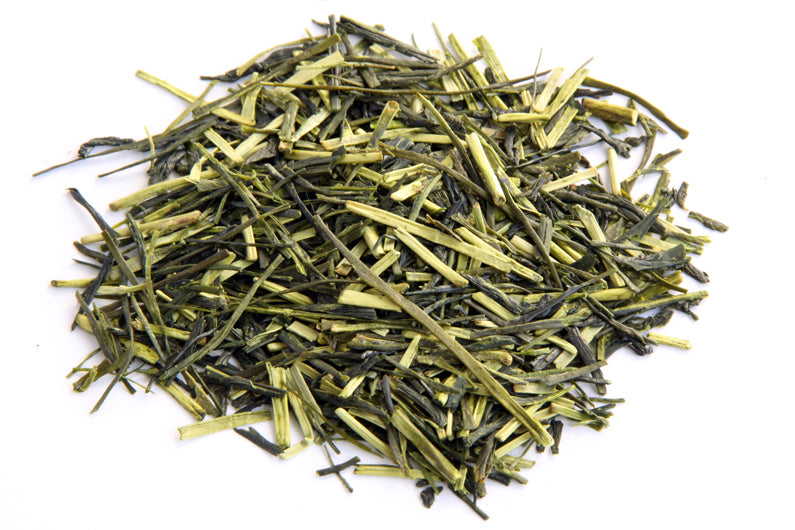
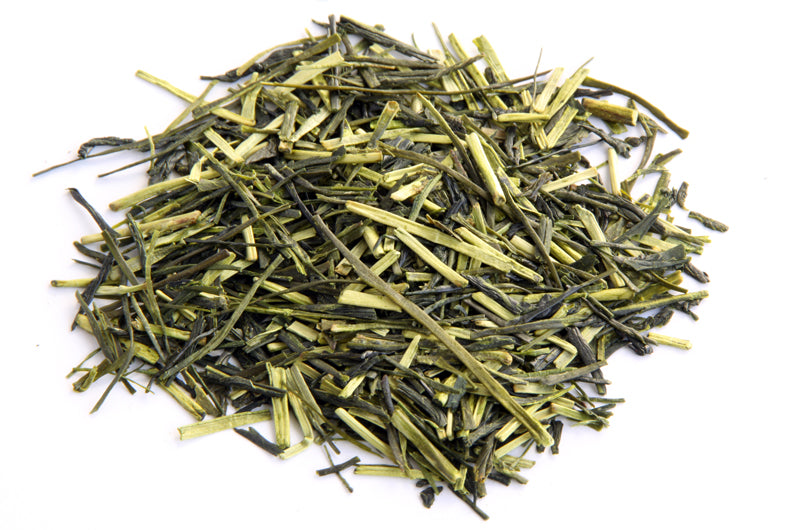
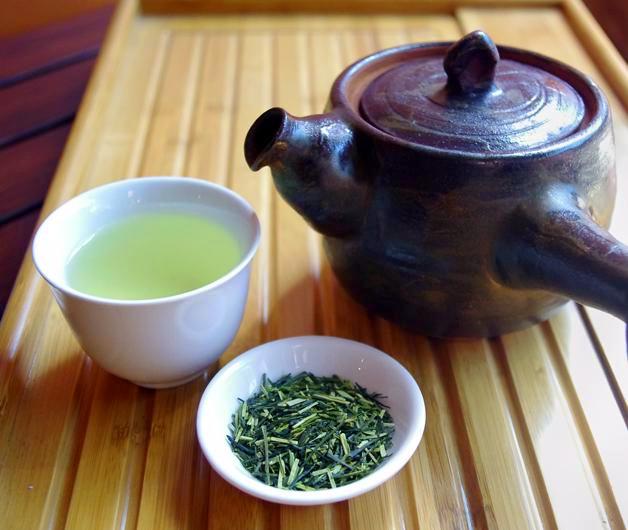
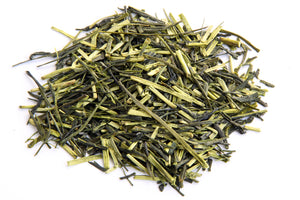
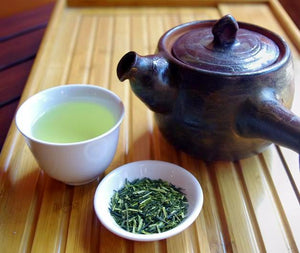
Thé vert produit dans la région montagneuse de Tenryu au Japon. Le Kukicha contient de délicates feuilles et tiges. Il offre un arôme végétal incomparable avec, en bouche, une note de pois mange-tout.
Voir la description complète du produit »
11.35 $ CAD
| /
Cultivé en Chine à flanc de montagne, ce thé noir fumé sur un lit de cyprès donne une liqueur hors du commun aux accents boisés. S’accorde particulièrement bien avec les fromages, viandes et poissons.
Voir la description complète du produit »
10.60 $ CAD
| /
Magnifique Keemun (un thé noir) délicatement parfumé au litchi. Une tasse fruitée à la finale légèrement sucrée. Un thé bien équilibré qui plaira aux amateurs de thés noirs.
Prenez note que ce mélange de thé a été revu et amélioré en octobre 2020. Le parfum de litchi est plus présent mais toujours grâce à des arômes naturels.
Voir la description complète du produit »
10.35 $ CAD
| /
Communément appelé "Puits du dragon", le Lung Ching (ou Long Jing) est un thé de grande renommée produit en Chine sur les sommets montagneux de la province de Zhejiang. Les feuilles allongées et plates offrent une fragrance végétale avec une finale poivrée. En bouche, la liqueur est rafraîchissante et légèrement sucrée.
Voir la description complète du produit »
17.40 $ CAD
| /
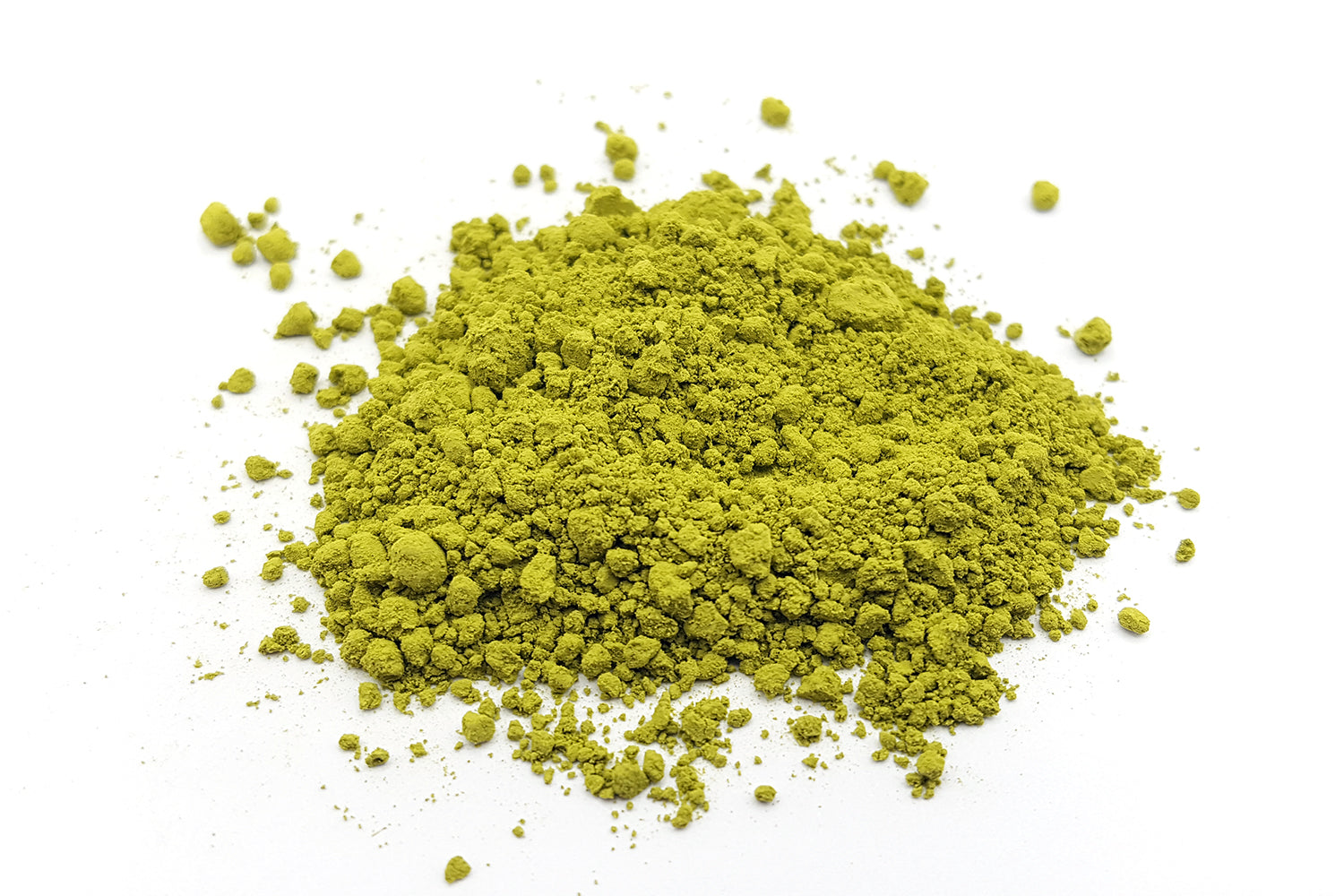
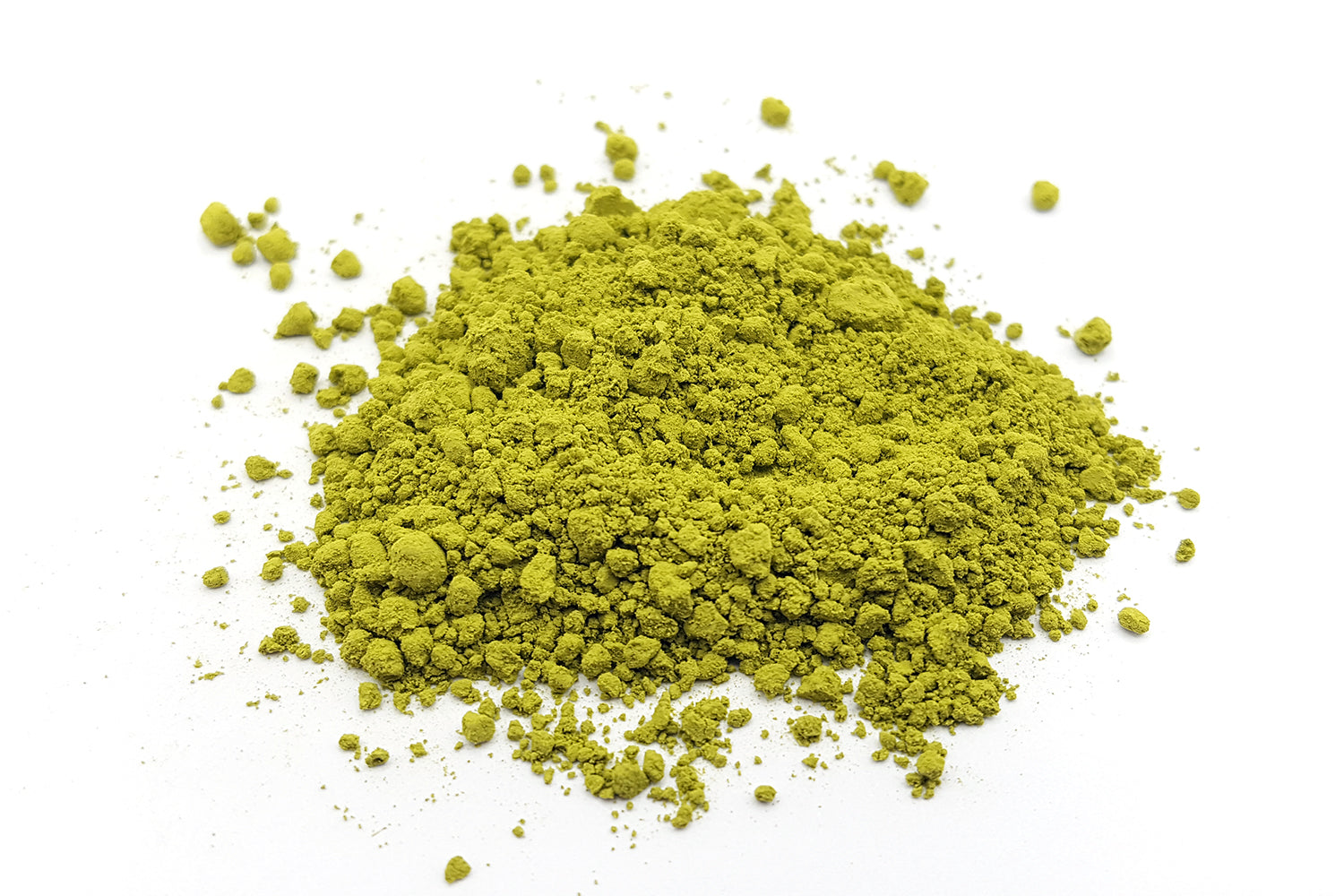
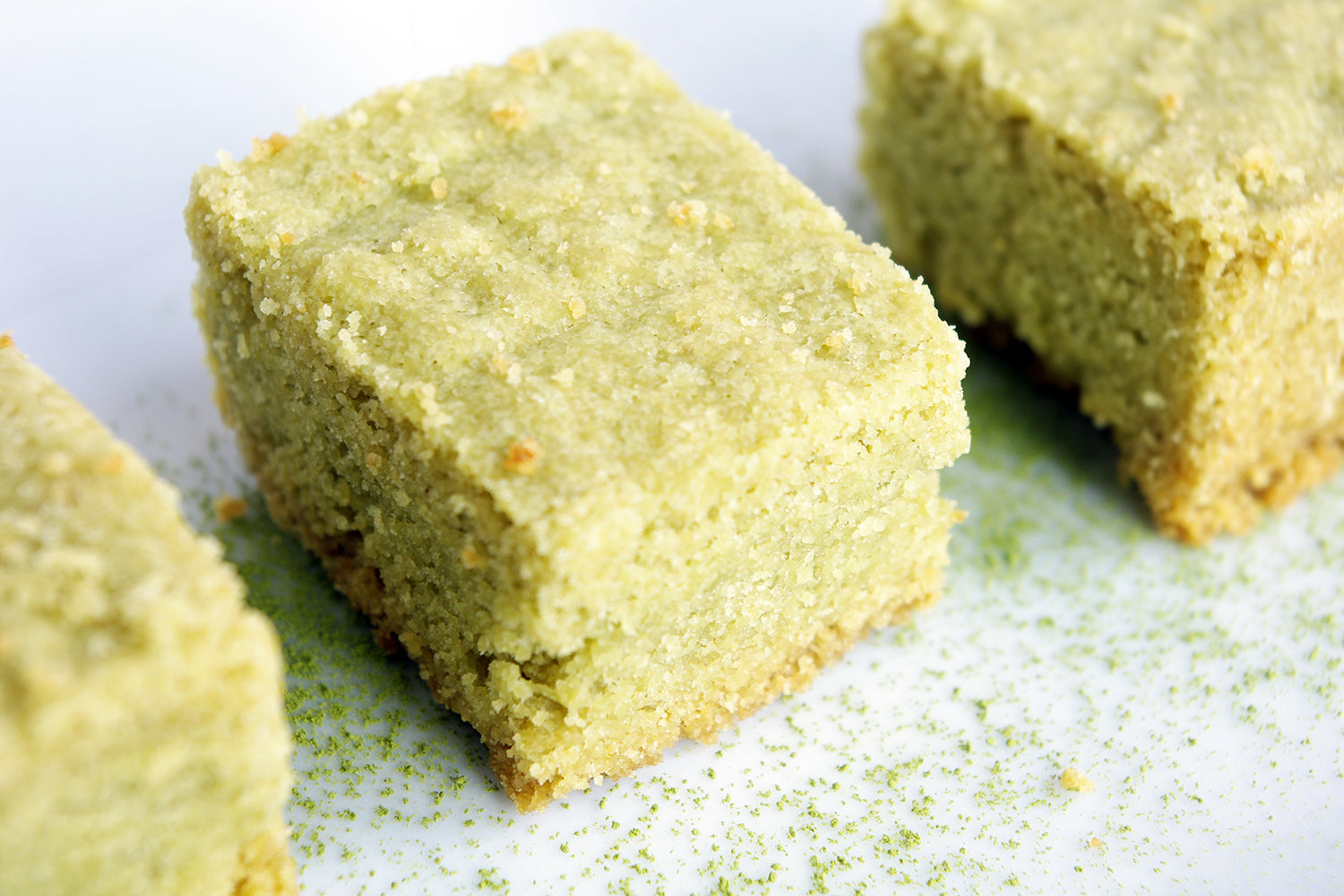
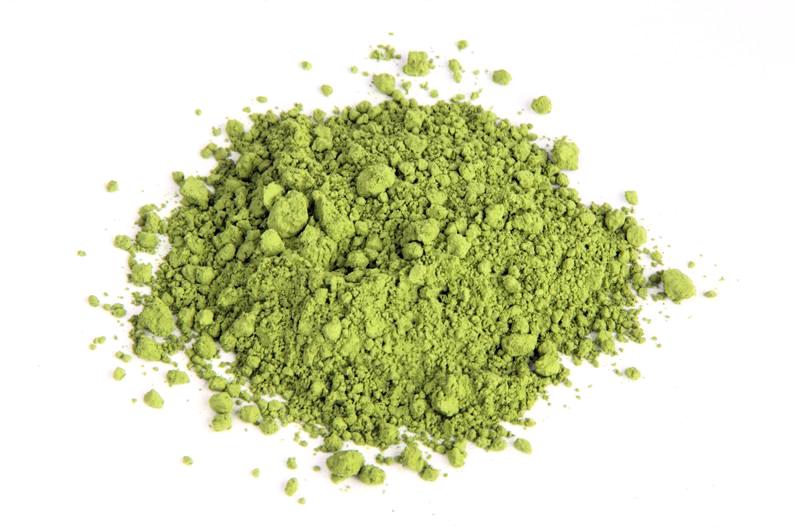
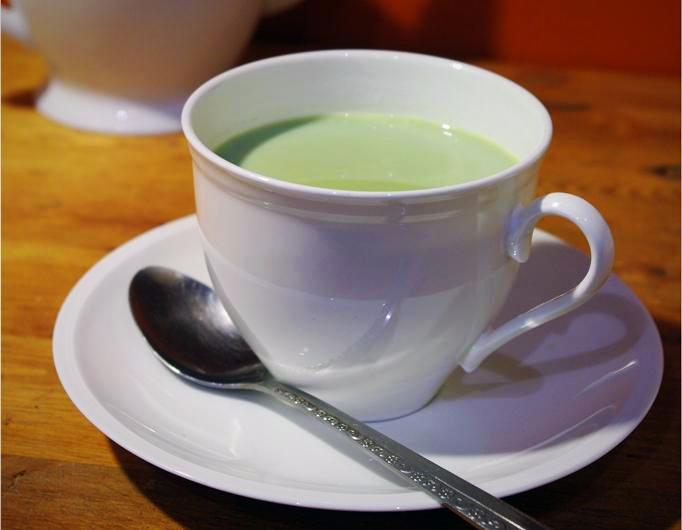
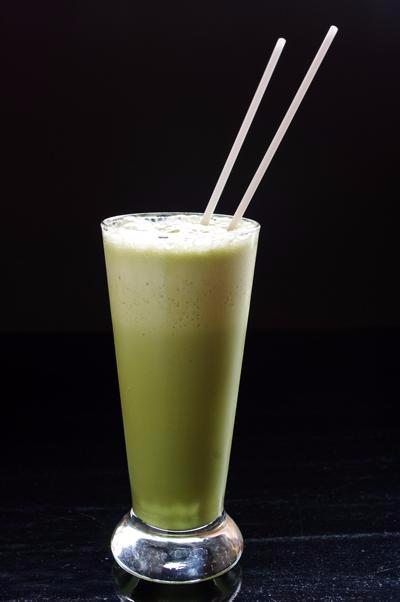
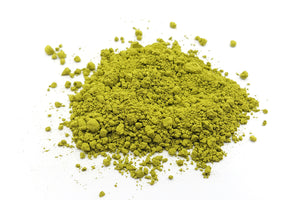
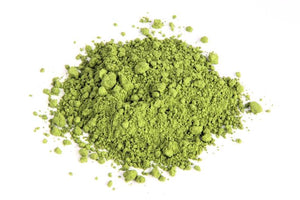
À la recherche du matcha idéal pour les matins pressés? En voici un en toute simplicité, parfait pour préparer un bon latté. Il présente un côté végétal vif, mais sans trop d'amertume, avec la saveur fraîche et unique du matcha. En cuisine, il rehaussera vos recettes préférées, donnera une jolie coloration verte à un dessert ou à une pâte à biscuit. En smoothie et en latté, on profite juste ce qu'il faut de la riche concentration en théine de ce thé vert.
Comment différencier un matcha culinaire et un matcha de grade cérémonial? Tous les matcha sont composés de feuilles de thé vert réduites en poudre fine à l'aide d'une meule en pierre et ils contiennent tous de la théine. Toutefois, la couleur peut varier, en passant par un vert vibrant et saturé, à une teinte plus claire ou à un beau vert jade. Les matcha se déclinent en grades et des spécificités comme les arômes, la texture en bouche et parfois même la provenance changent. Chaque grade de matcha s'apprécie à sa façon. Pur, avec du lait ou bien pour ajouter à une recette de boisson ou de dessert? Voilà ce qu'il faut se demander pour choisir le matcha qui conviendra le mieux à vos besoins.
Voir la description complète du produit »
24.75 $ CAD
| /
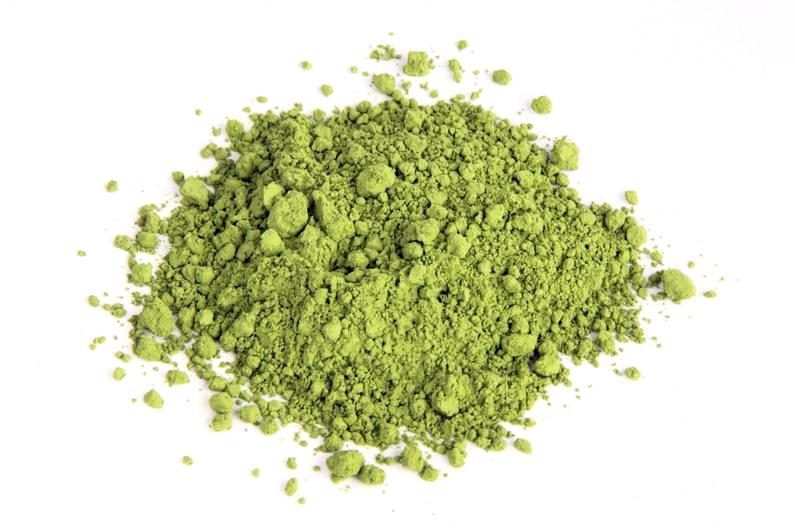
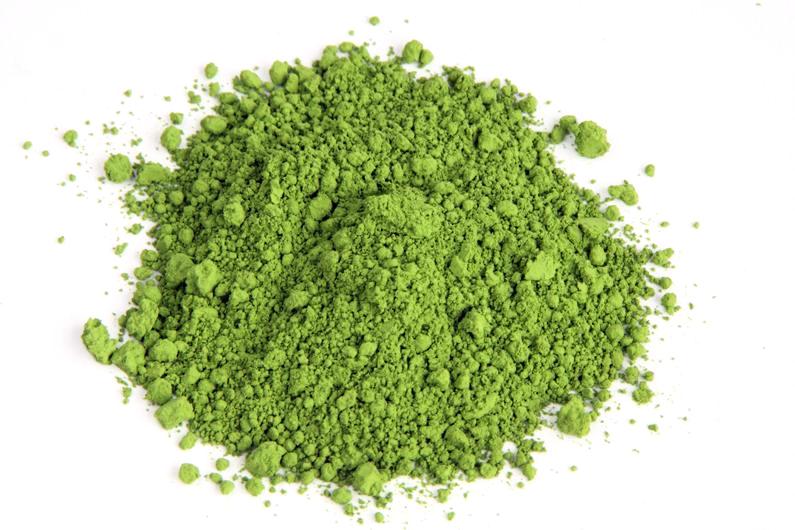
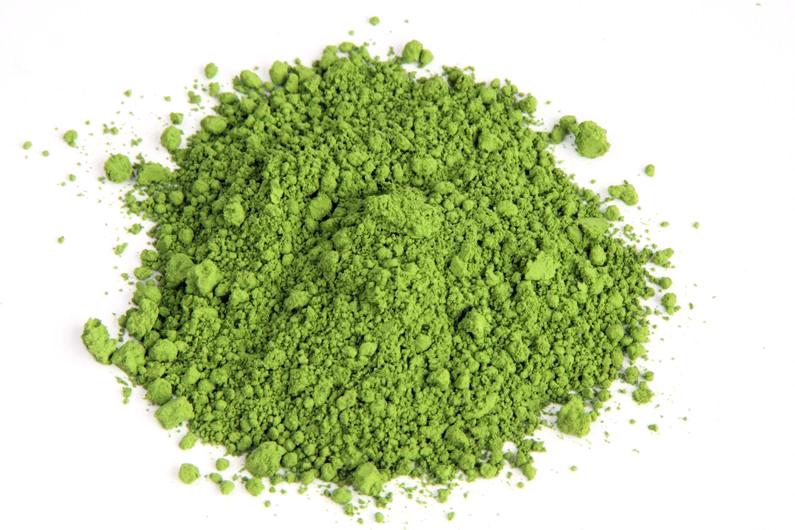
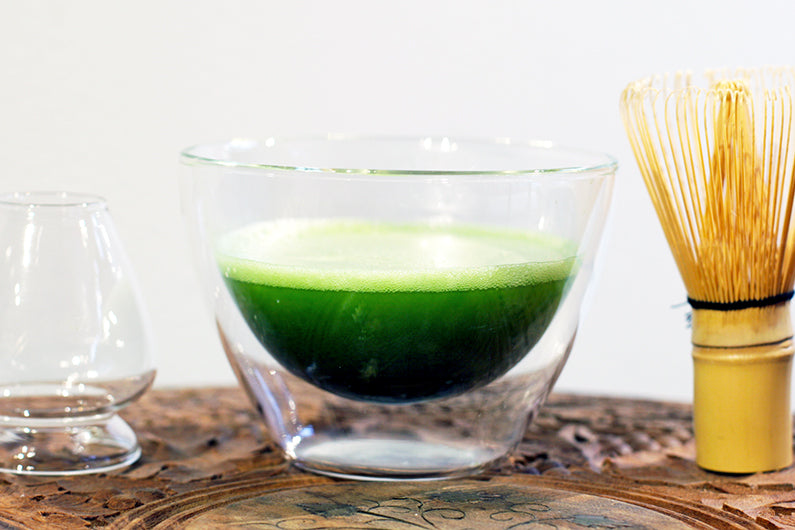
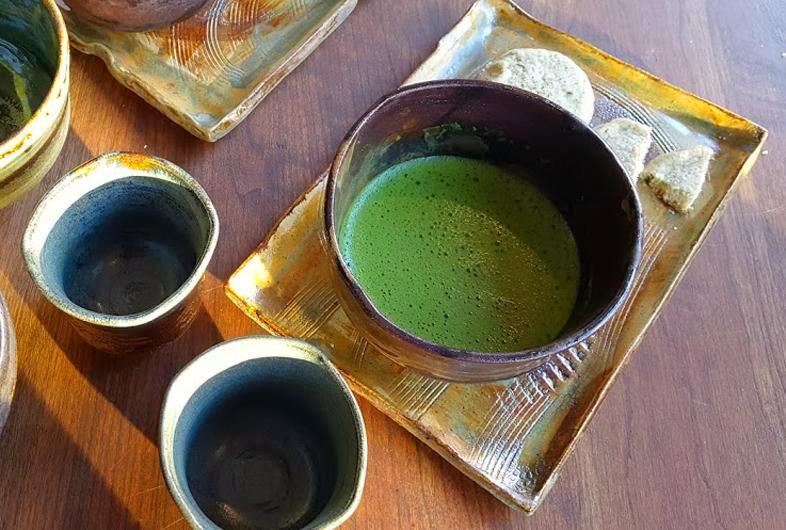
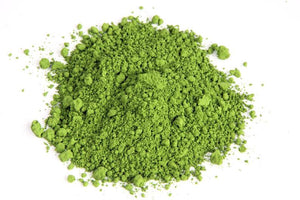
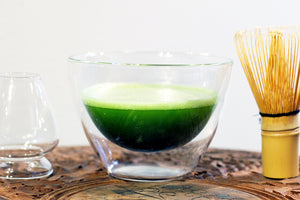
Précieux thé vert japonais réduit en poudre traditionnellement utilisé pour la cérémonie du thé japonaise: le cha-no-yu. Le Matcha est fait à partir de Tencha ; un thé vert dont ont recouvre les plants quelques semaines avant la cueillette forçant les plants à produire plus de chlorophylle.
Préparé dans un bol (chawan) et mélangé à une eau frémissante avec un fouet en bambou (chasen) ce matcha est goûteux offrant des arômes herbacés franches et une légère amertume. Riche en antioxydants et très stimulant. Donnant une superbe coloration verte et un goût hors du commun, ce matcha peut également servir d’ingrédient en cuisine dans la préparation de desserts, de soupes ou de boissons lactées.
Regarder la vidéo pour apprendre à préparer le matcha en cliquant ICI
Voir la description complète du produit »
48.25 $ CAD – Épuisé
| /
Notre matcha Sawa sera de retour en juin. Pour recevoir l'information, inscrivez-vous à notre infolettre sur la page d'accueil.
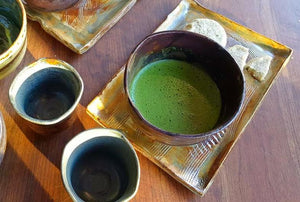
Précieux thé réduit en poudre traditionnellement utilisé pour la cérémonie du thé japonaise. Le Matcha est fait à partir de Tencha; un thé vert dont ont recouvre les plants quelques semaines avant la cueillette forçant les plants à produire plus de chlorophylle.
Préparé dans un bol (chawan) et mélangé à une eau frémissante avec un fouet en bambou (chasen) ce thé donne une superbe coloration vert-émeraude. Le goût est complexe, dense et légèrement sucré avec des notes d’épinards. Riche en antioxydants et très stimulant.
Quantité: 50g
Regarde notre vidéo pour apprendre à préparer le matcha en cliquant ICI !
Voir la description complète du produit »
10.95 $ CAD
| /
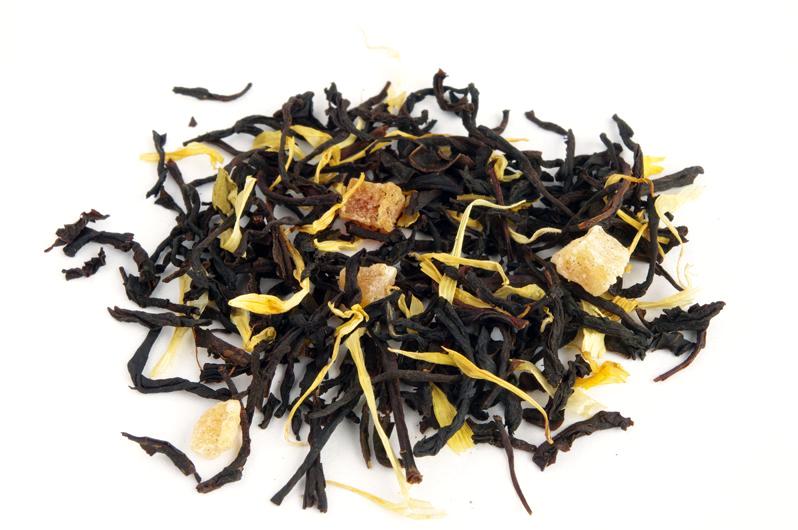
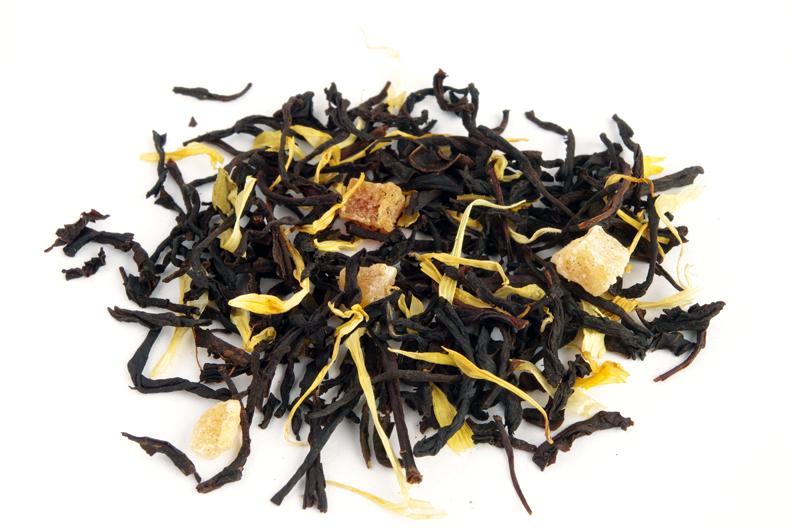
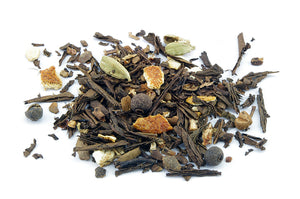
Mélange de thé noir du Sri Lanka, d’ananas, de papaye, de pétales de souci ( Calendula ), de fleurs de tournesol et de fleurs de bleuet. Une infusion aux accents d’agrumes. Excellent en thé glacé!
-
*L'apparence du mélange peut légèrement changer de celle de la photo.
Voir la description complète du produit »

13.20 $ CAD – Épuisé
| /
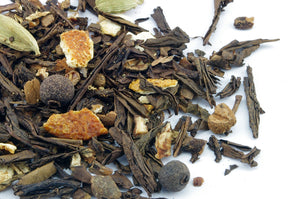
Comment évoquer la citrouille ou la tarte aux pommes sans tomber dans le piège de l’ajout d’essences artificielles ou de sucre? C’est en allant puiser dans les recettes de tarte à la citrouille qu’on a d'abord composé une liste d’épices incontournables. Notre création d'automne se compose d'une bonne dose d'épices variées: muscade, piment de la Jamaïque, gingembre, cannelle, écorces d’orange, cardamome, clou de girofle et un soupçon de vanille. On utilise le Hojicha, un thé vert japonais avec un taux de théine assez bas pour l’apprécier en soirée. Ce thé développe un goût grillé, qui rappelle la noisette. C’est justement pour ses notes légèrement rôties que nous l’avons choisi : c’est une association délicieuse avec les épices et leur longue finale en bouche.
Voir la description complète du produit »
18.25 $ CAD – Épuisé
| /
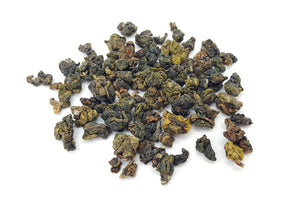
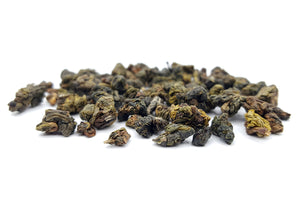
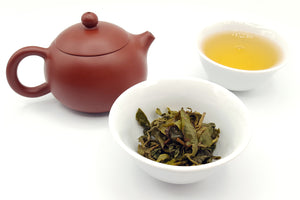
Savoureux oolong provenant de la province de Lai Chau, au nord-ouest du Vietnam. Ses notes fleuries rappellent le muguet et il séduit dès les premiers instants par une sensation douce et veloutée. Ce thé à oxydation légère est un Jin Xuan (''milky oolong''), un type de oolong développé dans la tradition taïwanaise. Le thé est cultivé en altitude, puis légèrement oxydé avant d'être savamment roulé. Un processus qui procure à la feuille de thé des parfums naturellement beurrés et lactés.
Voir la description complète du produit »
12.60 $ CAD – Épuisé
| /
Oolong de Chine d’exception aux notes florales délicates et à la finale subtilement épicée de gingembre. Ce mélange raffiné marie la douceur fruitée de la baie de goji, la vitalité du ginseng et la légèreté des pétales de calendula pour une tasse équilibrée et vivifiante.
Ingrédients: Thé oolong, gingembre, baie de goji, ginseng, pétales de calendula, arômes naturels.
Voir la description complète du produit »
13.95 $ CAD
| /
Pour produire ce thé de Chine, seules les deux premières feuilles du théier ainsi que le bourgeon sont cueillis avant d’être séchés au soleil. Ils donnent une liqueur fraîche et délicate, faible en théine.
Voir la description complète du produit »
17.50 $ CAD
| /
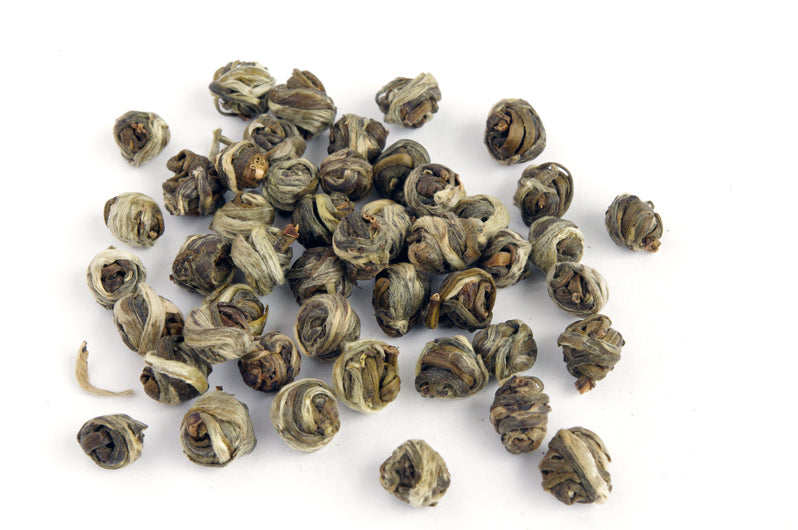
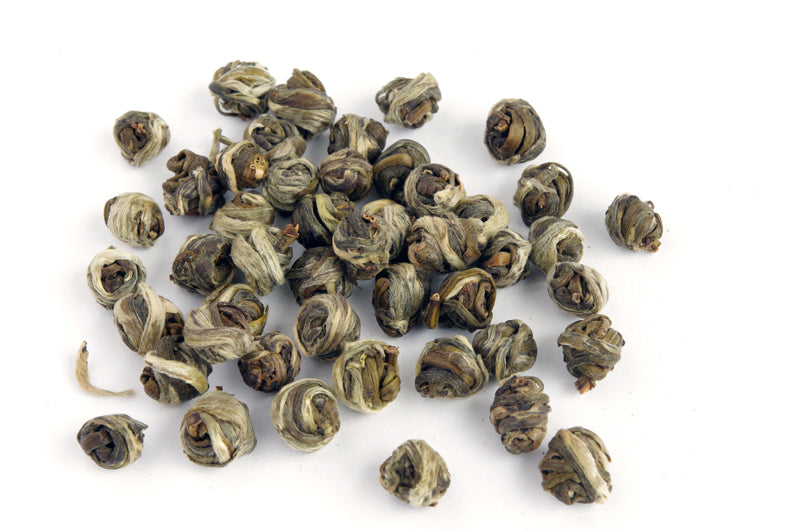
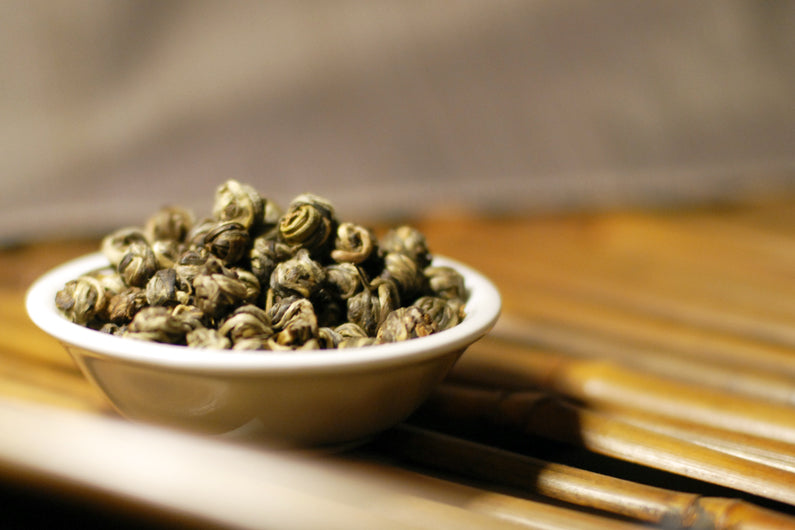
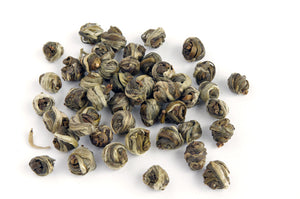
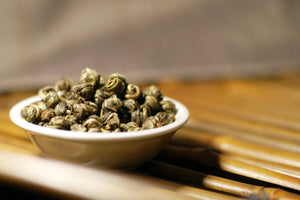
Ce thé vert de Chine aux qualités incomparables possède une longue feuille entière et son bourgeon qui sont roulés à la main en de fines perles parfumées aux fleurs de jasmin. La cueillette du printemps donne au goût fin et délicat. L'infusion dans une théière en verre offre un magnifique spectacle alors que les feuilles se déroulent lentement.
L'aspect visuel des feuilles de thé et le goût peuvent varier d'une récolte à l'autre.
Voir la description complète du produit »
10.65 $ CAD
| /
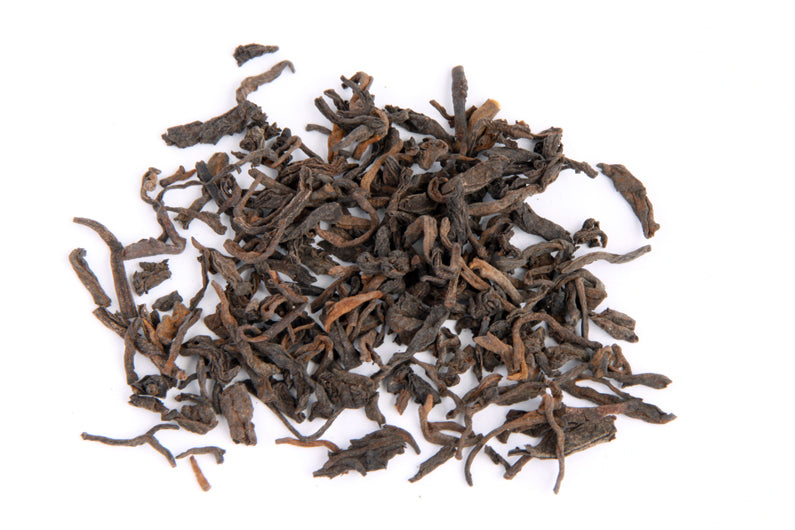
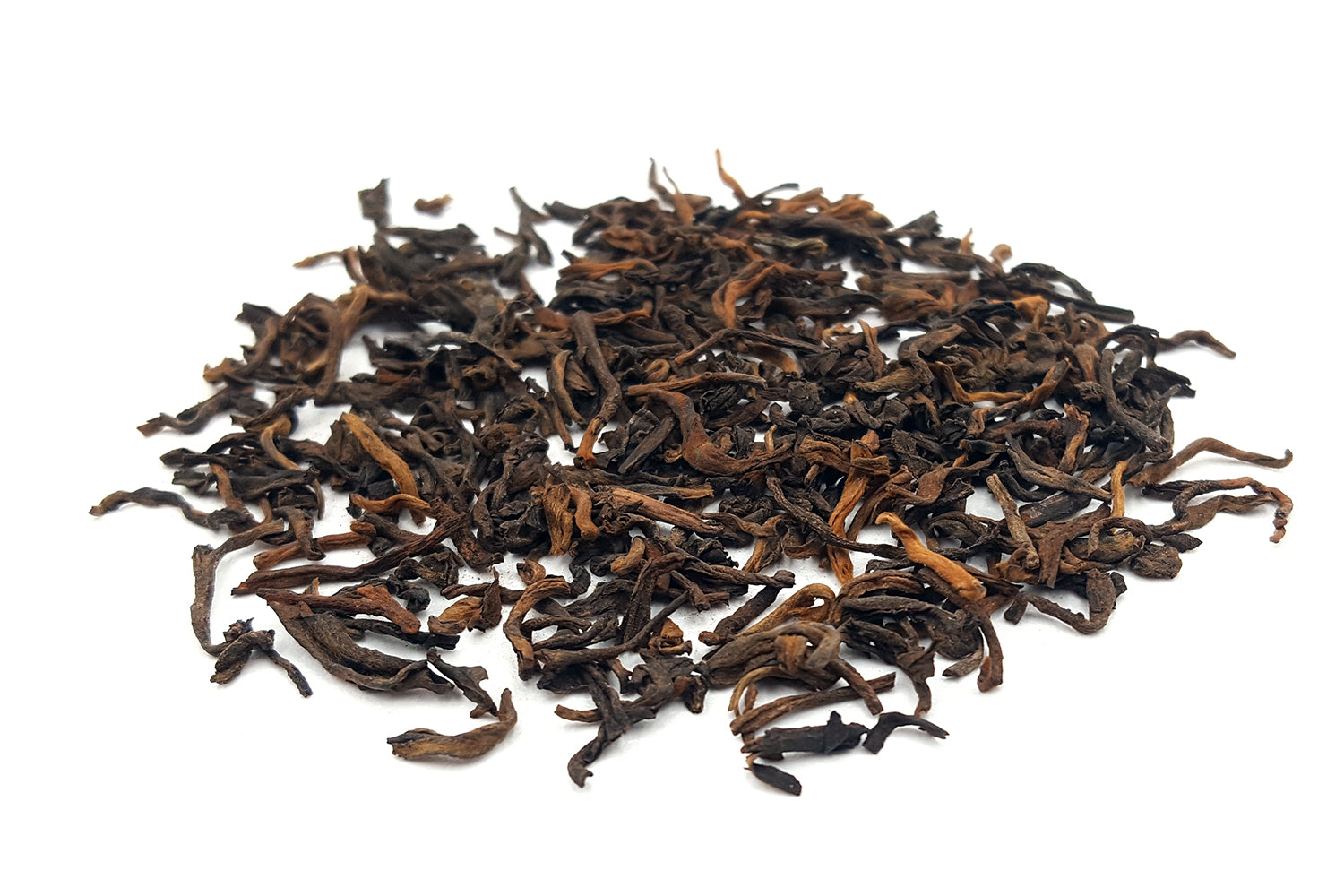
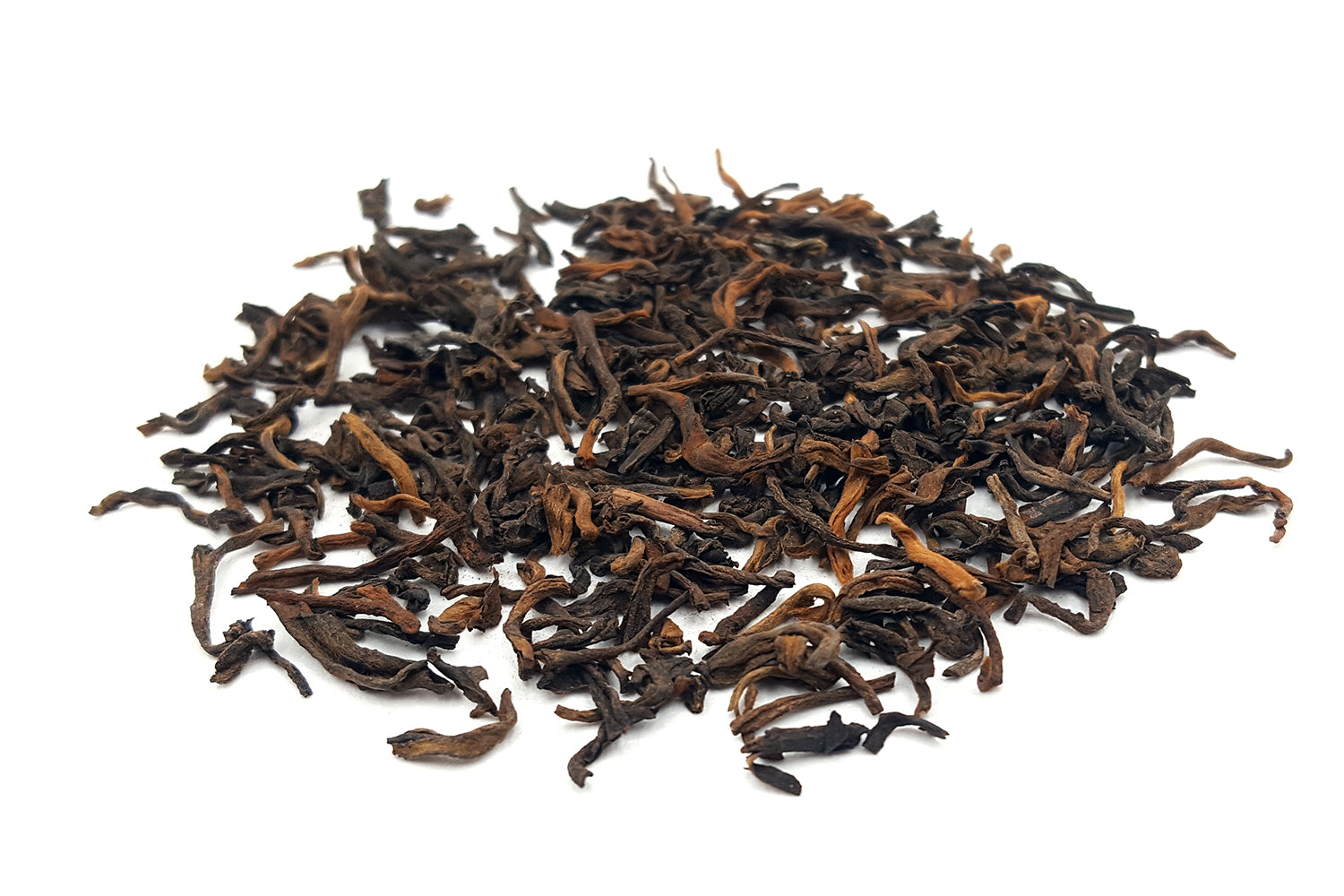
Un thé déroutant aux premiers abords, ce Pu Erh se laisse découvrir lentement. Vieilli un an, il offre un arôme typé et caractéristique de terre humide. Sans amertume, faible en théine et en tanin, il est recommandé pour les personnes aux estomacs fragiles.
Pour obtenir un Pu Erh SHOU, les feuilles fraîches sont d’abord manipulées à la manière d’un thé noir : flétrissage, dessiccation et roulage. Puis, les précieuses feuilles sont étalées pendant plusieurs jours sous de grandes toiles dans une salle où la température et le taux d’humidité sont élevés. Le processus de post-fermentation est ainsi accéléré.
Voir la description complète du produit »
12.00 $ CAD
| /
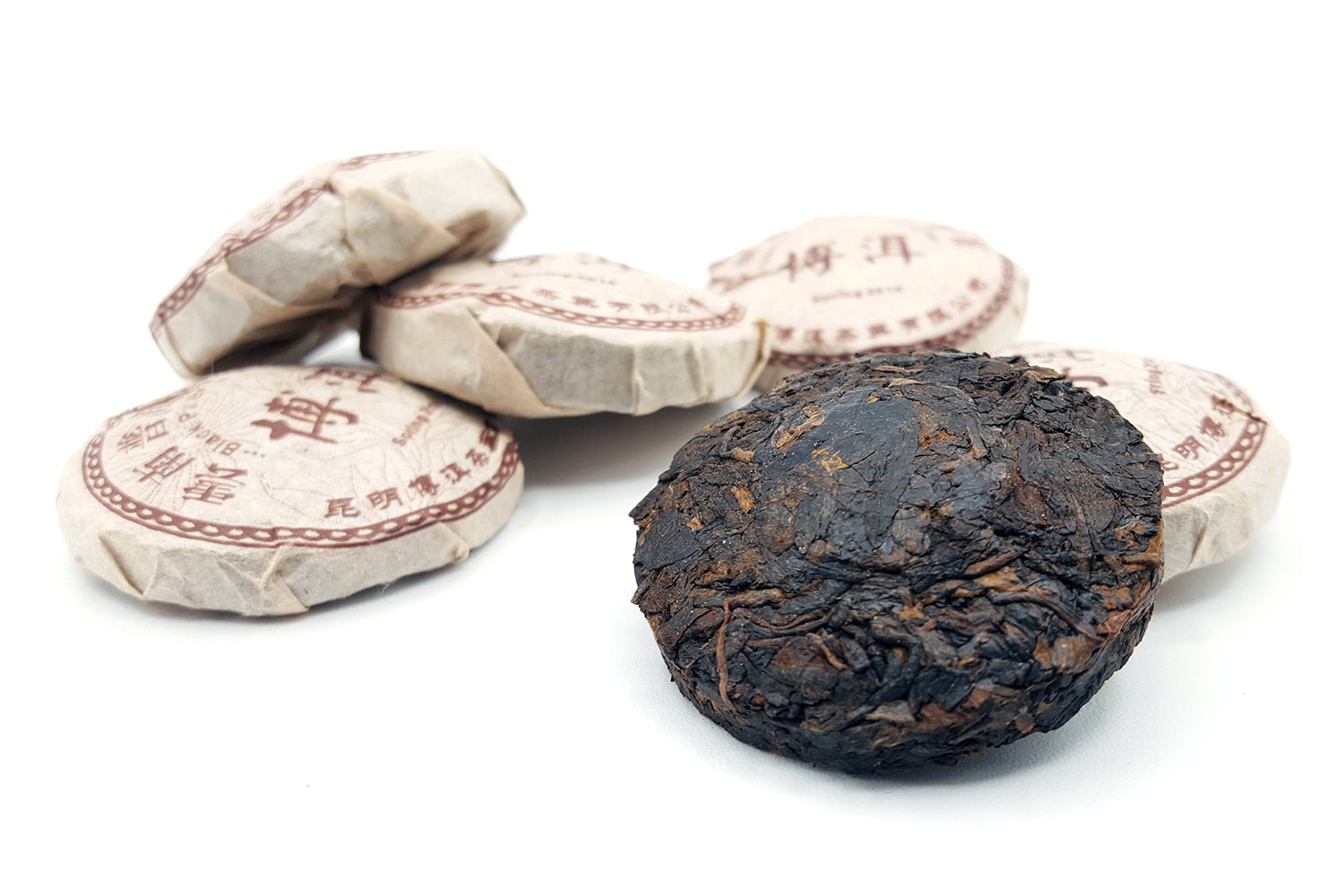
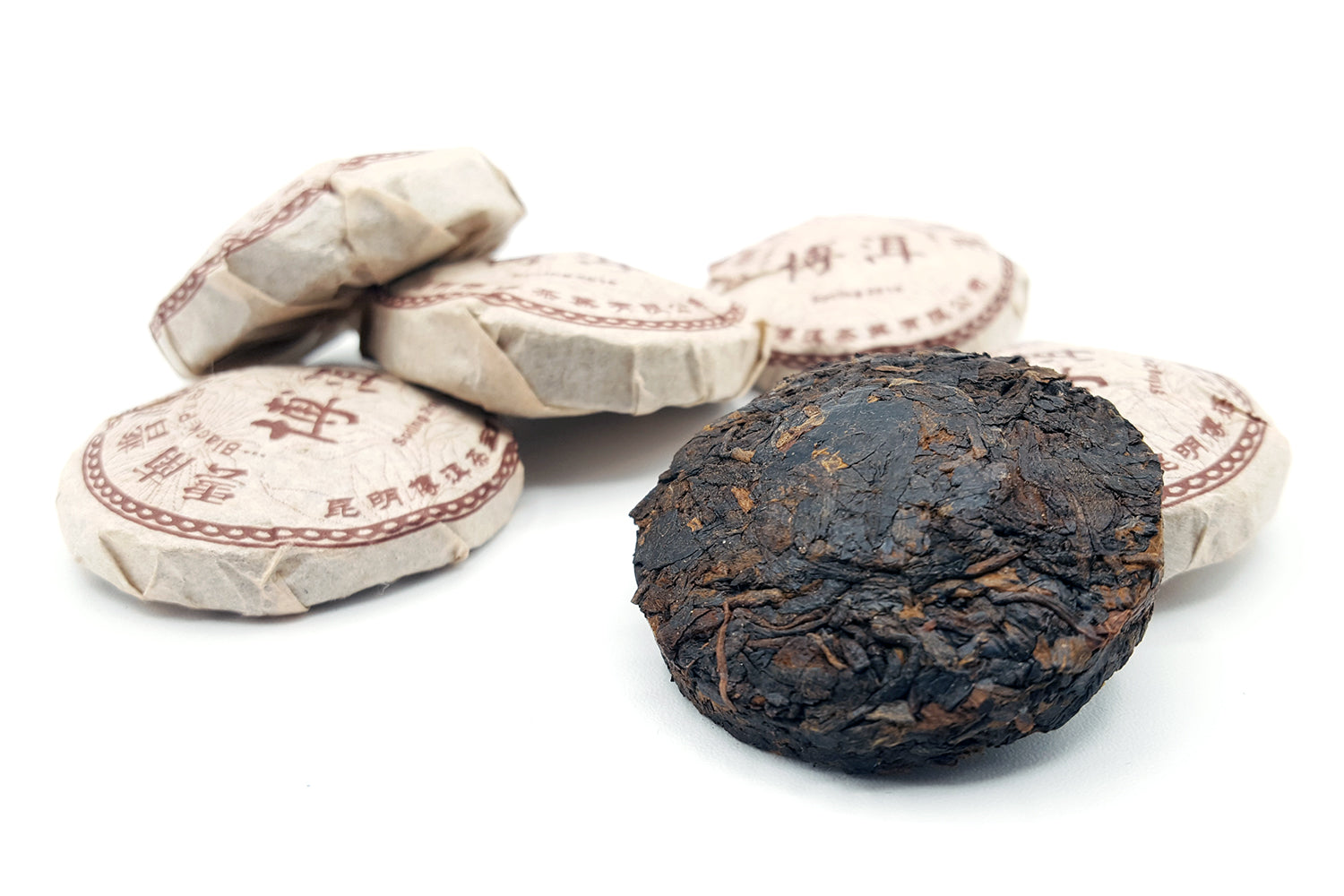
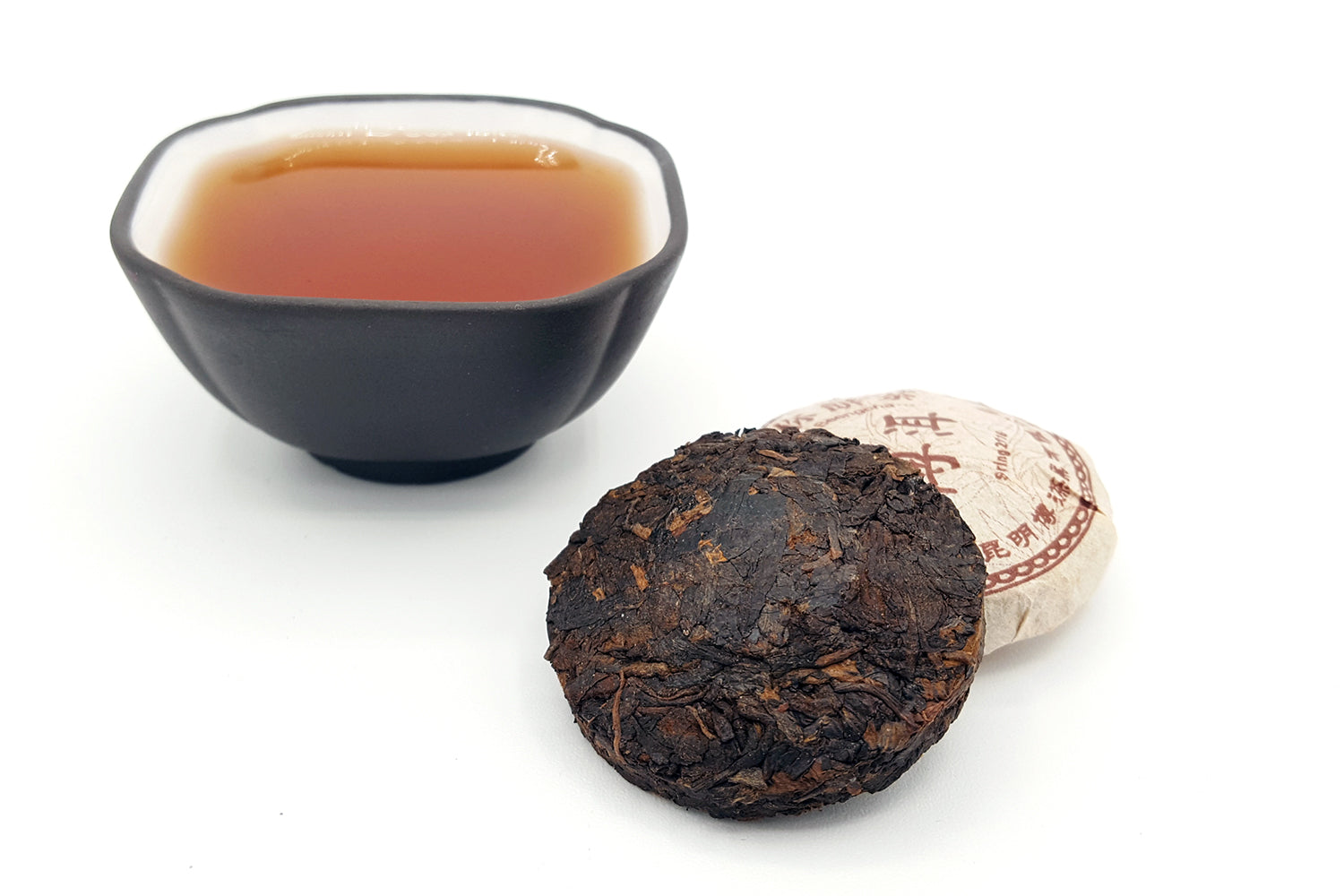
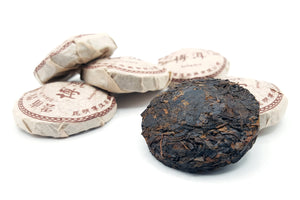
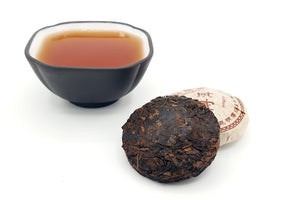
Superbe thé rouge doux aux notes d'écorce de bois et qui évoque la terre, avec une finale poivrée. Ce Pu Erh SHOU de 2016 se présente sous forme de délicates galettes (bing cha miniatures), c'est-à-dire que les feuilles de thé sont compressées pendant le processus de post-fermentation, qui s'échelonne sur plusieurs années. L'idée d'un thé vieilli peut parfois surprendre. Cette version portionnée en petite quantité qui contient tout juste ce qu'il faut pour servir 1 litre de thé à la fois est donc parfaite pour le découvrir.
Pour préparer le thé: retirer l'enveloppe de papier, déposer la galette intacte dans le panier infuseur de votre théière et verser un peu d'eau chaude (95 degrés celsius) pour rincer les feuilles. Après 15 à 20 secondes, jeter l'eau. Remplir la théière avec un litre d'eau chaude (95 degrés celsius), puis laisser infuser 5 à 7 minutes. Pendant ce temps, les feuilles vont progressivement se séparer et libérer leurs arômes. Exempt d'amertume, faible en théine et en tanin, le thé rouge est excellent après les repas.
La méthode pour obtenir un Pu Erh SHOU: les feuilles fraîches sont d’abord manipulées à la manière d’un thé noir (flétrissage, dessiccation et roulage). Puis, les précieuses feuilles sont étalées pendant plusieurs jours sous de grandes toiles dans une salle où la température et le taux d’humidité sont élevés. Le processus de post-fermentation est ainsi accéléré.
Le poids total approximatif est de 32g pour 4 petites galettes (mini bing cha). Le poids peut ainsi varier légèrement.
Voir la description complète du produit »
8.60 $ CAD
| /
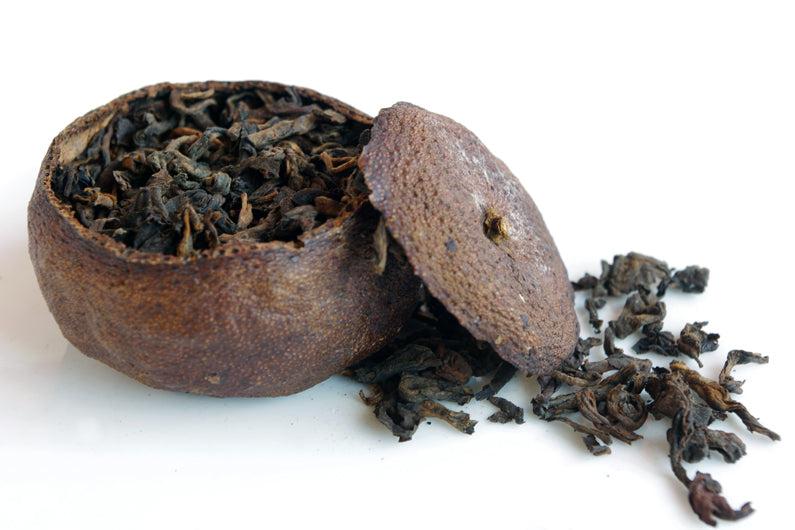
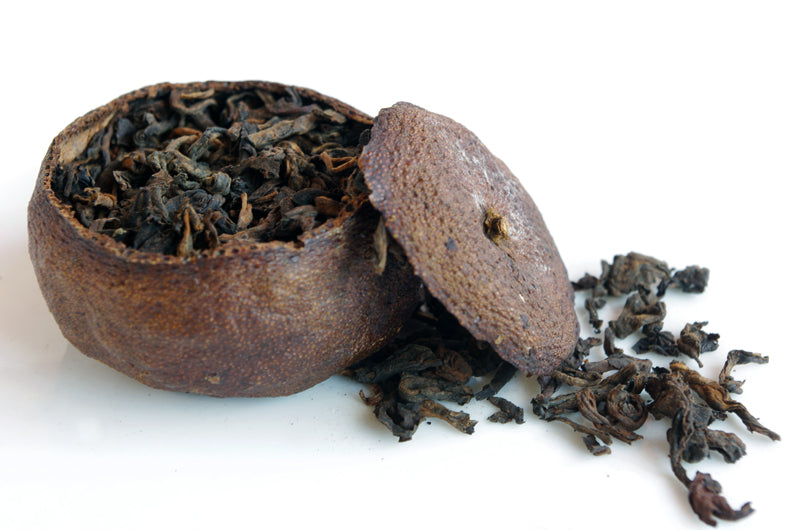
Pour obtenir ce Pu Erh délicatement parfumé, les feuilles de thé sont enveloppées dans une écorce de mandarine avant de subir une fermentation complète. Alors que le thé vieilli, il absorbe l’arôme caractéristique de l’agrume. En bouche, on ne retrouve pas le caractère terreux prononcé des Pu Erh shou traditionnels, mais un goût de sous-bois délicat relevé de notes d’orange sucrée, non-amère.
Avec les mêmes feuilles de thé on fera 2 à 3 infusions selon la méthode de préparation suggérée.
Le poids total de chaque mandarine est approximatif et peut varier entre 18 g et 35 g.
Voir la description complète du produit »
11.60 $ CAD
| /
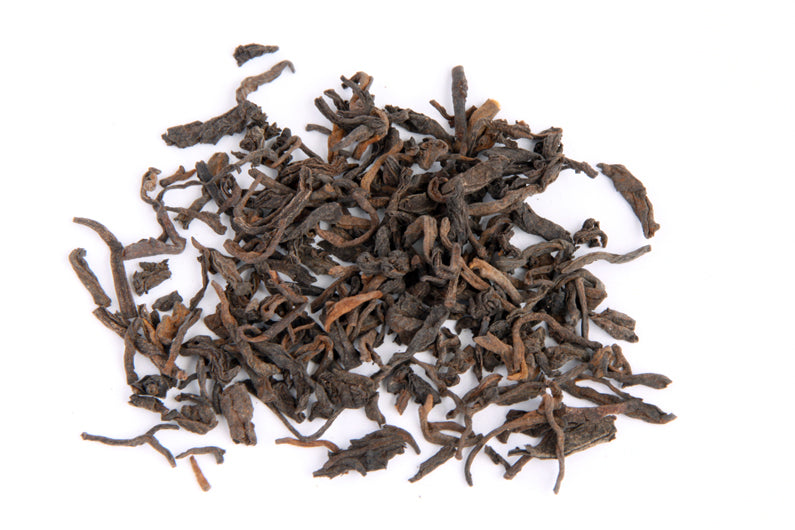
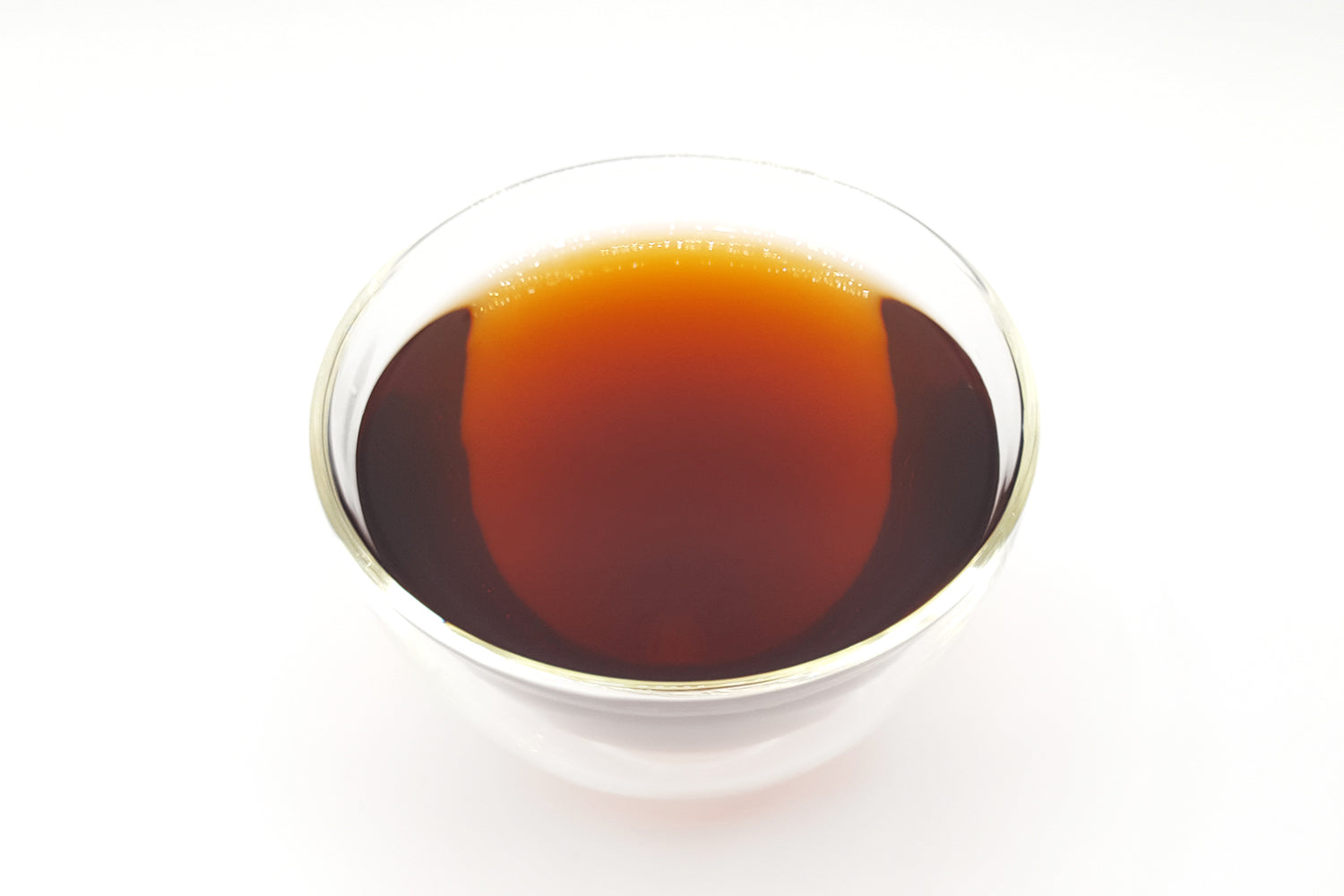
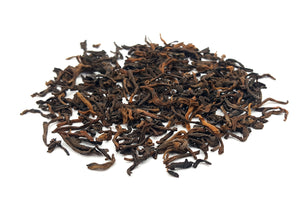
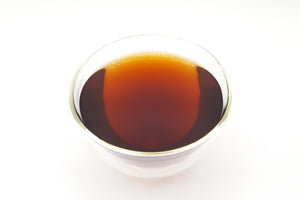
Notre Pu erh Royal offre un goût riche et complexe aux parfums boisés et finement chocolatés. Sa tasse veloutée, exempte d'amertume et faible en théine et en tanins est d'un rouge brique dense et profond. Les amateurs de thés vieillis adoreront ce thé post-fermenté pendant 5 ans. On peut déceler un rappel de cuir et de prunes.
Pour obtenir un Pu Erh SHOU, les feuilles fraîches sont d’abord manipulées à la manière d’un thé noir : flétrissage, dessiccation et roulage. Puis, les précieuses feuilles sont étalées pendant plusieurs jours sous de grandes toiles dans une salle où la température et le taux d’humidité sont élevés. Le processus de post-fermentation est ainsi accéléré.
Voir la description complète du produit »
8.25 $ CAD
| /
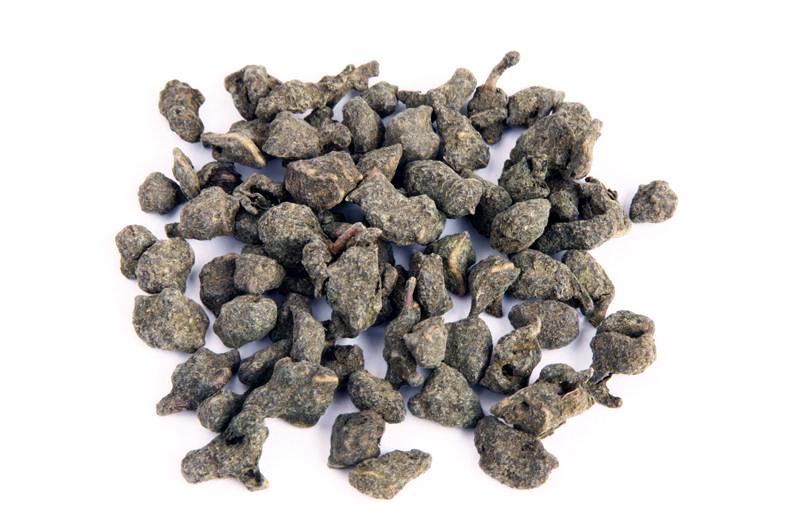
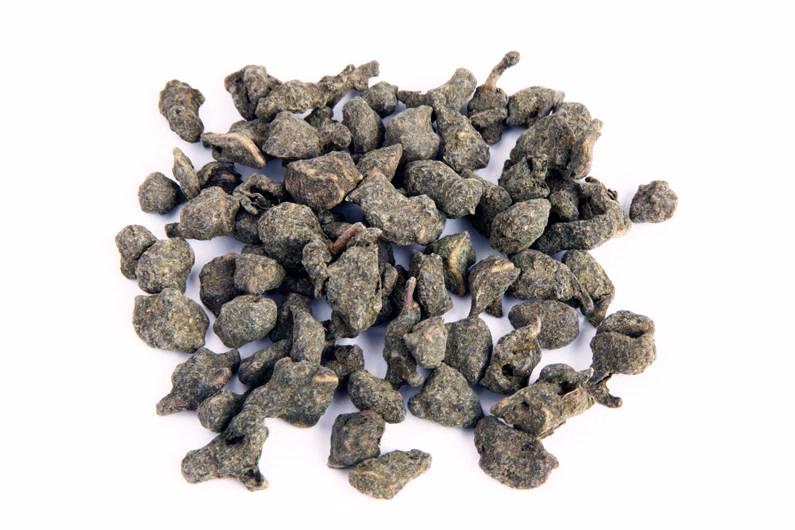
Le Ren Shen est un thé oolong unique cueilli dans les montagnes et façonné à la main, il est ensuite roulé dans la poudre de ginseng. L’infusion pâle est légèrement sucrée et stimulante.
L'aspect visuel des feuilles de thé et le goût peuvent varier d'une récolte à l'autre.
Voir la description complète du produit »
9.95 $ CAD
| /
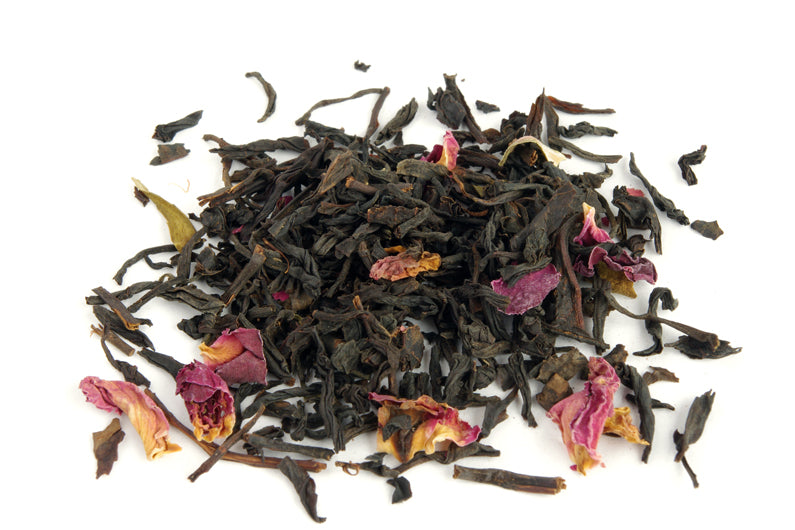
Thé noir de Chine qui offre une infusion subtile et fleurie au délicat parfum de pétales de roses.
Voir la description complète du produit »